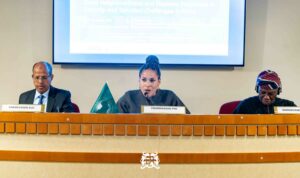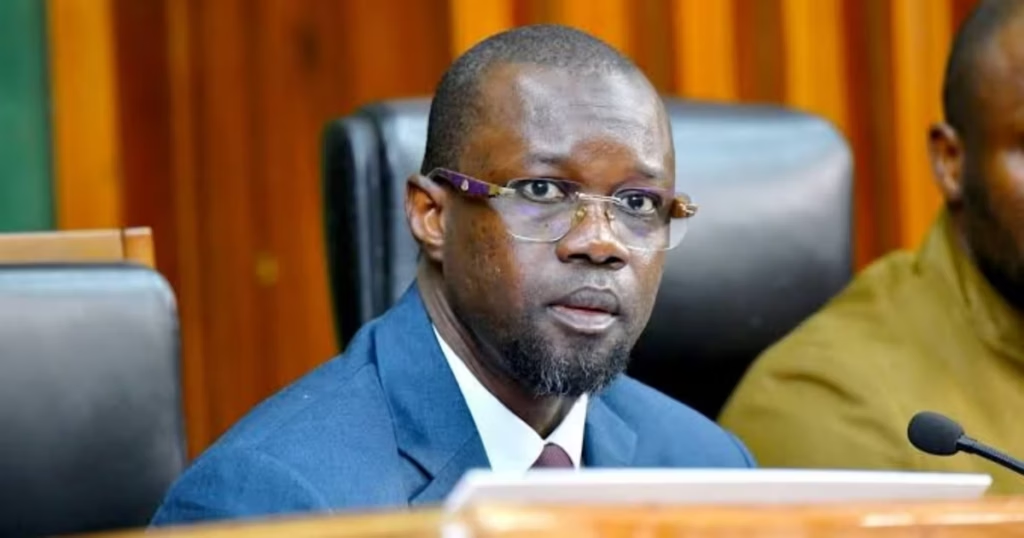
The Bureau of the National Assembly, led by President Ousmane Sonko, has convened an urgent meeting to outline the agenda for the first extraordinary session of the 2025-2026 legislative year. This session, set to commence on Monday, August 10, 2026, marks a significant moment for the 15th Legislature, as deputies return from recess to tackle pressing legislative matters.
According to the Assembly’s internal regulations, the extraordinary session will be strictly time-bound, with a maximum duration of fifteen days. This ensures focused deliberations on pre-defined legislative priorities. The session’s agenda, already outlined by the Bureau, includes two proposed laws, three government bills, and six requests for parliamentary investigative commissions.
Regulatory framework of the extraordinary session
The urgency of this session stems from both political developments and the need for institutional reforms. The Assembly’s Bureau has emphasized that the session’s timeline is non-negotiable, adhering strictly to the legal timeframe. Depending on the origin of the convocation—whether initiated by the Assembly itself or the executive branch—the session’s date and agenda are formalized through either a Bureau decree or a presidential decree, respectively.
The opening of this session will follow a structured protocol: verification of quorum, followed by a declaration from Assembly President Ousmane Sonko. This will be succeeded by a meeting of the Presidents’ Conference, tasked with finalizing the session’s work schedule. Notably, the extraordinary session’s agenda cannot be altered once proceedings begin, ensuring clarity and purpose in legislative proceedings.
Key legislative priorities under review
Among the proposals slated for discussion is a bill aimed at amending Article 37 of the Senegalese Constitution, specifically concerning the declaration of assets by the President of the Republic. Another critical proposal seeks to regulate special credits and secret funds. Both texts were deemed admissible by the Bureau in July 2026.
Additionally, the session will address six requests for the establishment of parliamentary investigative commissions, reflecting the Assembly’s commitment to transparency and accountability. The Bureau’s proactive approach underscores its determination to address matters of national importance without delay.