The Democratic Republic of Congo is currently facing a significant surge in Ebola cases, with more than 1,000 laboratory-confirmed infections recorded in just thirty days. This epidemic is primarily concentrated in the eastern provinces, including Ituri, North Kivu, and South Kivu. These territories are plagued by persistent armed conflict and mass population displacement, factors that severely hinder medical interventions and virus containment efforts.
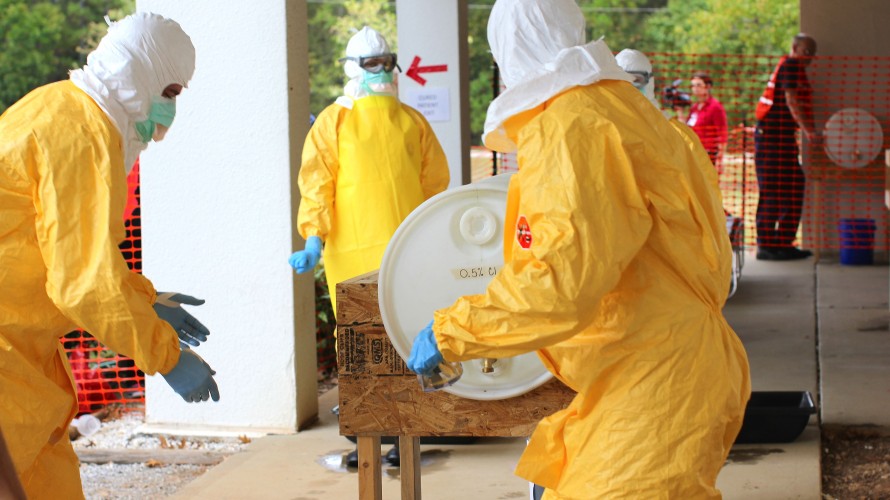
Rising infection rates and regional instability in the Democratic Republic of Congo
The Ebola crisis is intensifying across the Democratic Republic of Congo, where the healthcare infrastructure is struggling to keep pace with the virus’s rapid expansion. The volatility of the eastern regions makes it extremely difficult for health workers to reach affected communities. David Munkley, who oversees operations for the NGO World Vision in the eastern Democratic Republic of Congo, notes that the combination of violence and limited healthcare access is complicating the response.
While the epicenter remains in Central Africa, the detection of an imported case in France has sparked global concern. However, health experts like Cédric Dananché, an epidemiologist and deputy head of hygiene and infectiovigilance at the Hospices Civils de Lyon, suggest that the risk of a widespread international outbreak remains minimal. Strict isolation protocols and robust surveillance systems are currently in place to mitigate any potential cross-border transmission. Despite these measures, the situation continues to raise serious questions about the environmental and social factors driving the virus’s circulation.