Donald Trump reaffirms United States support for Morocco’s sovereignty over Western Sahara
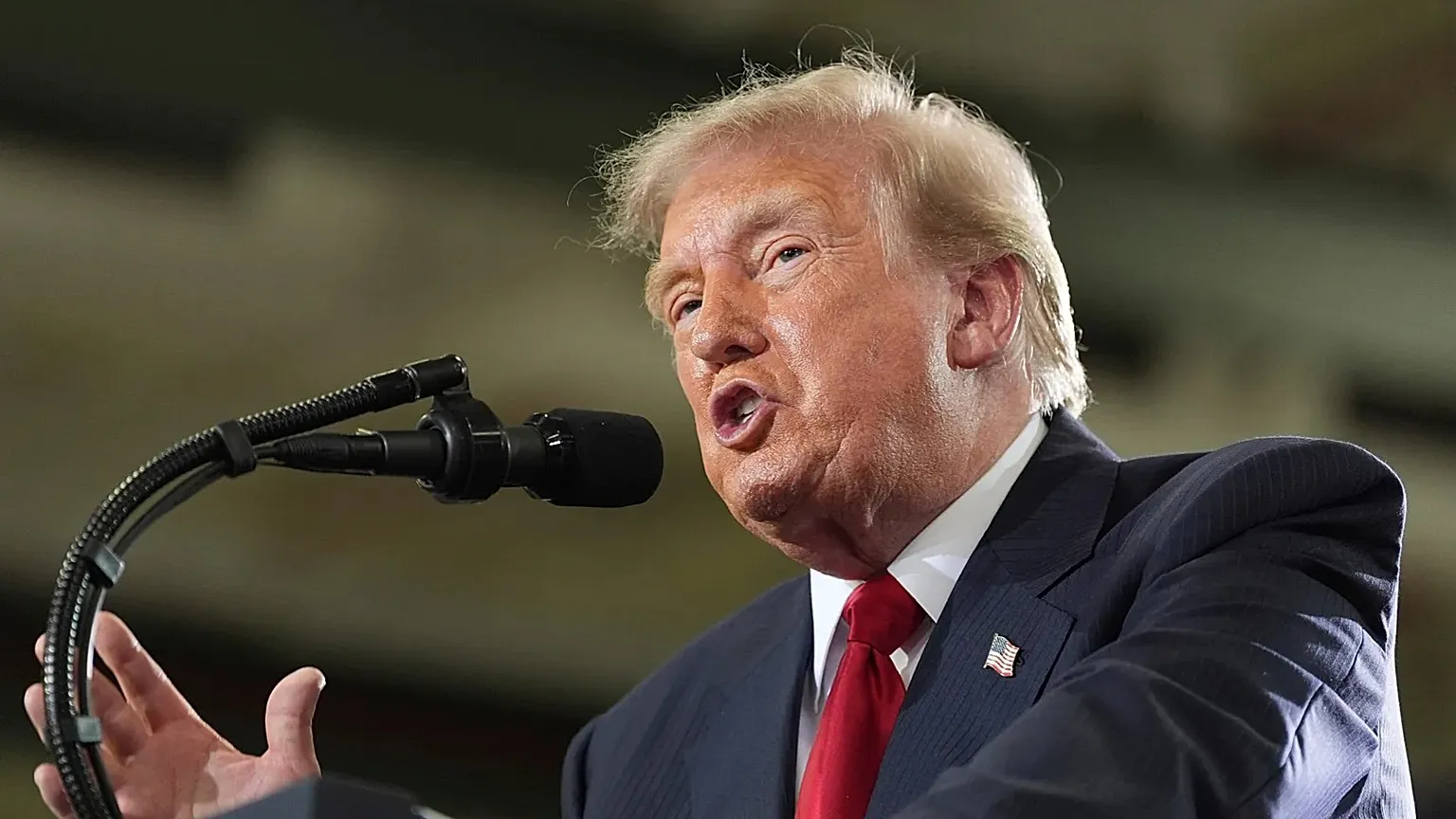
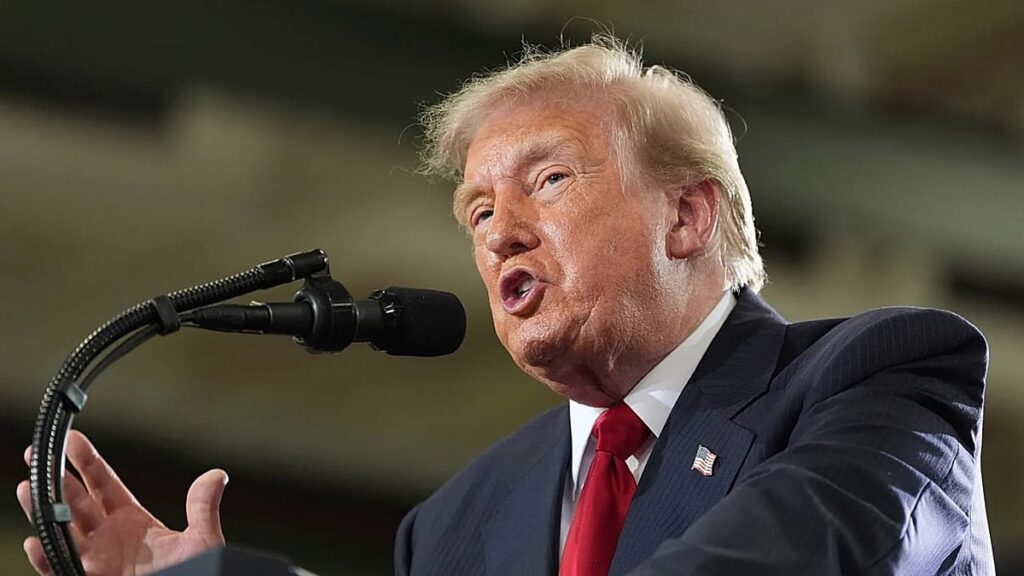
In a message addressed to King Mohammed VI, Donald Trump confirmed that the United States continues to recognize Morocco’s sovereignty over Western Sahara and supports Rabat’s autonomy plan.
In a direct communication to King Mohammed VI, Donald Trump underscored the United States’ unwavering recognition of Morocco’s sovereignty over the Western Sahara territory, reiterating robust support for Rabat’s proposed autonomy plan. He presented this initiative as “the serious, realistic, and unique solution capable of bringing a just and lasting end to the conflict.”
The former American president also stressed that the current status quo remains “unacceptable,” asserting that a definitive resolution would “foster prosperity and strengthen integration among African nations.” He reiterated Washington’s commitment to advancing efforts for a swift end to the long-standing dispute.
This diplomatic alignment between Morocco and the United States dates back to December 2020. During the final weeks of his initial term, Donald Trump formally acknowledged Morocco’s sovereignty over Western Sahara. This pivotal recognition was part of a broader agreement that saw the normalization of relations between Morocco and Israel, bringing Rabat into the fold of the Abraham Accords signatories.
Beyond the diplomatic sphere, the White House commended Morocco’s integral role in regional security, highlighting the kingdom as a crucial partner in counter-terrorism efforts and addressing global security challenges. Donald Trump further lauded what he termed the “enlightened leadership” of King Mohammed VI in promoting regional peace. He noted that Rabat’s dedication to combating extremism and ensuring the security of both American and Moroccan citizens exemplifies the robust strategic partnership between the two nations.
Within this framework, the former US president declared an intensification of operational cooperation between Washington and Rabat across North-West Africa, affirming a joint commitment to bolstering security throughout the Sahel region.
The origins of the conflict
The Western Sahara, a region abundant in natural resources, particularly phosphates and fisheries, continues to be a focal point of diplomatic contention in North Africa. It also lies at the heart of a long-standing dispute between Morocco and Algeria, with the latter officially backing the Front Polisario, which advocates for the independence of this former Spanish colony.
Morocco champions an autonomy plan that would grant extensive powers to the territory while retaining it under Moroccan sovereignty. Conversely, the Front Polisario demands a self-determination referendum, enabling the region’s inhabitants to decide their future status.
The conflict’s roots trace back to 1975, when Spain concluded over 90 years of administering the territory, then known as “Spanish Sahara.” Following Madrid’s withdrawal, tensions escalated into open warfare between Morocco and the Front Polisario, eventually leading to a United Nations-brokered ceasefire in 1991.
Rabat views the Western Sahara as an inseparable part of its national territory, citing historical ties of allegiance between Sahrawi tribes and the Alawite monarchy. Algeria, however, supports the Front Polisario, which declared the “Sahrawi Republic” in 1976, contending that the conflict’s resolution necessitates the exercise of self-determination and the completion of the decolonization process.
Last year, commemorating the 50th anniversary of the Green March – a 1975 event where approximately 350,000 Moroccan civilians marched into the then Spanish-administered Sahara – the UN Security Council passed a resolution. This resolution deemed autonomy under Moroccan sovereignty as “the most serious basis” for resolving the conflict.
The resolution, adopted on October 31st with 11 votes in favor and none against, urges all parties to restart negotiations based on the autonomy plan Morocco submitted to the United Nations in 2007.
This resolution considers Morocco’s proposal as potentially “the most realistic solution” and “the foundation” for future negotiations aimed at ending a conflict spanning nearly half a century.
On that occasion, King Mohammed VI proclaimed that the kingdom was entering “a decisive phase of its contemporary history,” adding: “The era of a unified Morocco has arrived.”