
«It is unacceptable for coup plotters to be democratically elected»
The 39th African Union summit concluded with a bold declaration: to silence the guns and no longer tolerate unconstitutional power grabs. But can this commitment be taken seriously? Paul-Simon Handy, a Cameroonian researcher and Regional Director of the Institute for Security Studies (ISS) for East Africa, shares his insights from Addis Ababa.
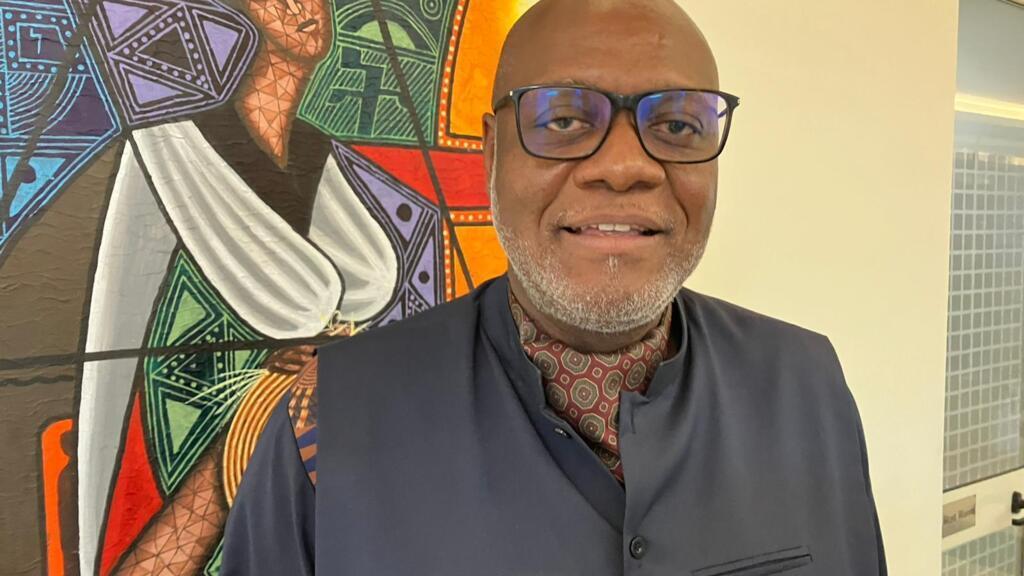
African Union’s bold stance meets skepticism
The African Union’s latest summit in Addis Ababa sent a clear message: unconstitutional power transfers will no longer be tolerated. Yet skepticism lingers. Can the continent truly move past its history of military coups and political instability? Paul-Simon Handy, an expert in African security dynamics, weighs in on the feasibility of this declaration.
Why the AU’s zero-tolerance policy matters
The AU’s announcement reflects growing frustration across the continent. Recent years have seen a resurgence of military takeovers in countries like Mali, Niger, and Burkina Faso, often followed by delayed transitions to civilian rule. The summit’s call to silence the guns signals a determination to break this cycle—but will words translate into action?
Challenges on the path to stability
Handy highlights several hurdles:
- Political legitimacy: The AU’s stance raises questions about the acceptance of leaders who gained power through unconstitutional means but later won elections. Is democracy compromised when those responsible for coups are democratically elected?
- Regional security threats: The spread of jihadist groups and weak governance in the Sahel region exacerbates instability, making it harder to enforce democratic norms.
- Economic dependence: Many countries rely on external support, which can limit their ability to adhere to AU principles without risking financial aid cuts.
Can Africa break free from the cycle?
Handy suggests that the AU’s commitment could set a precedent—if backed by decisive action. He points to successful transitions in countries like Sénégal and Bénin, where democratic processes have prevailed despite challenges. However, he warns that without stronger enforcement mechanisms, the AU’s declaration risks becoming empty rhetoric.
As the continent grapples with these tensions, the debate over democracy and stability remains as urgent as ever.