Senegal is in the midst of a heated debate following the airing of a controversial television report that focused on the challenges faced by LGBTQ+ individuals in the country. The broadcast, which aired on national television, drew sharp criticism from viewers who accused the program of spreading misinformation and presenting a one-sided narrative about the realities of discrimination and violence against sexual minorities.
Public outrage over alleged distortions
The focal point of the controversy centers on an anonymous testimony featured in the program. The individual claimed that some Senegalese believe killing LGBTQ+ individuals could grant them a place in paradise. This statement sparked immediate backlash online, with many dismissing it as an exaggerated or fabricated claim designed to tarnish Senegal’s reputation.
Social media erupted with reactions, with users questioning the authenticity of the report. Comments ranged from outright denial—“I am Senegalese, and this is the first time I’ve heard such a thing”—to accusations of intentional misrepresentation of Senegalese society.
Legal realities overshadowed by emotional narratives
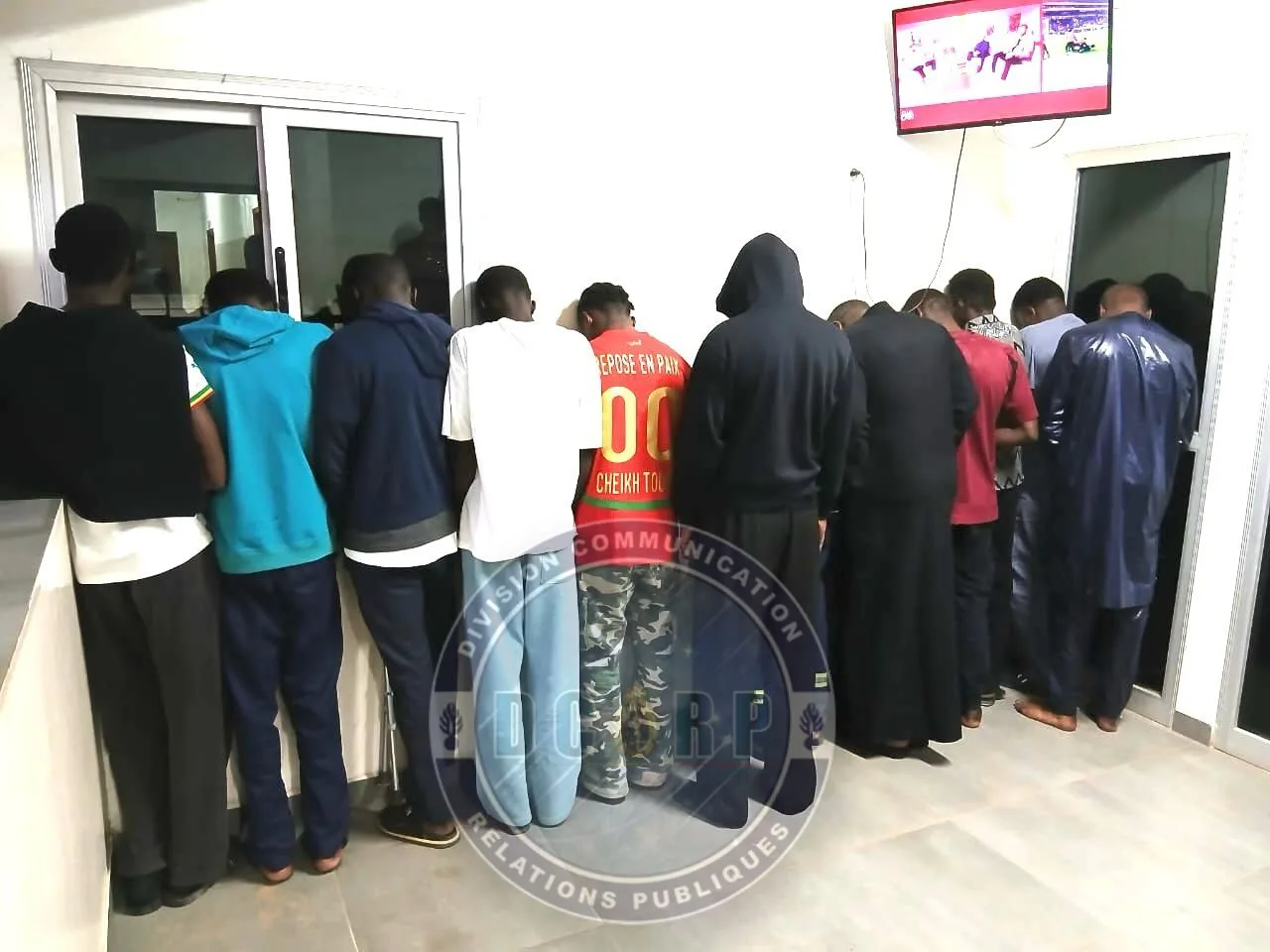
The criticism extended beyond the anonymous testimony. Critics argue that the program failed to address the legal context surrounding recent arrests in Senegal. They point out that individuals detained in connection with this issue were charged under laws related to the deliberate transmission of HIV/AIDS, a separate criminal offense, rather than solely due to their sexual orientation.
Adding to the controversy, the report included interviews with health officials from the National AIDS Control Center. However, the program did not explore the legal implications of the charges, leaving viewers with the impression that arrests were motivated primarily by homophobia rather than public health laws.
A clash of narratives
For many Senegalese, the television report represents an attempt to impose an external narrative on a complex social issue. Critics argue that by omitting key legal details, the program presented an incomplete and misleading picture of the situation. The debate highlights the tension between human rights advocacy and the preservation of cultural and religious values in Senegal.
The controversy underscores the broader challenge of discussing LGBTQ+ rights in a country where public opinion remains deeply divided. While some advocate for greater acceptance and legal protections, others view such discussions as an affront to traditional norms and religious beliefs.