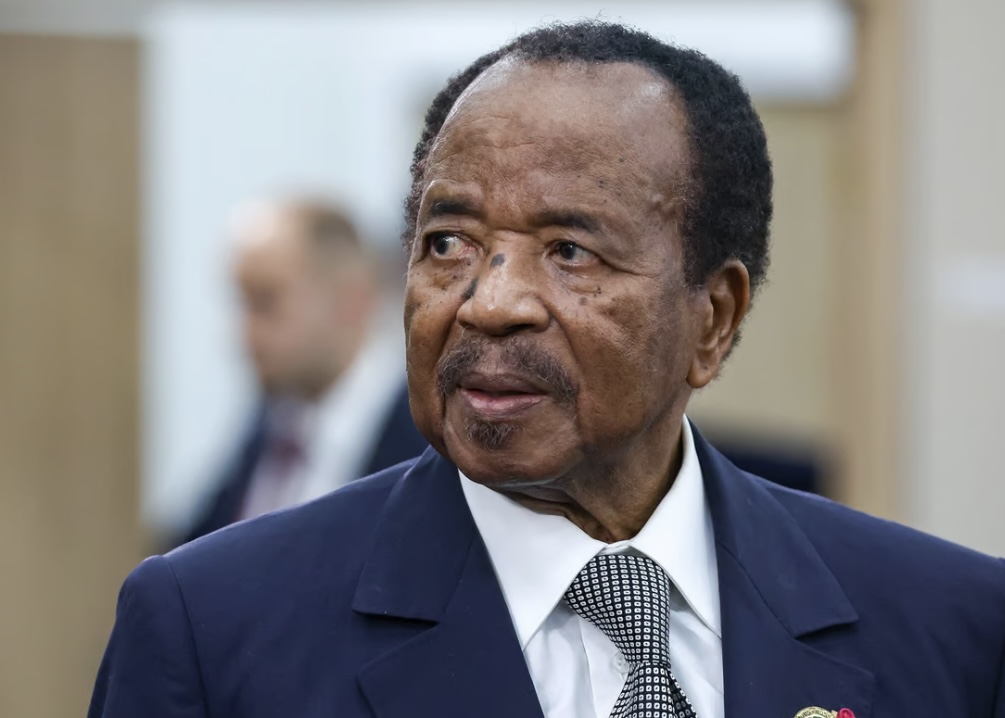
The Cameroon People’s Democratic Movement (CPDM) recently convened an urgent meeting of its top officials, marking 45 days since President Paul Biya left the country for an undisclosed private visit to Europe. No official statement has been issued regarding his expected return, fueling speculation and political discourse.
While the ruling party insists that state institutions continue to function normally, opposition figures are pressing for transparency about presidential powers and contingency measures during extended absences. The timing of this prolonged departure—coming amid heightened public scrutiny—has intensified debates over governance and constitutional clarity.

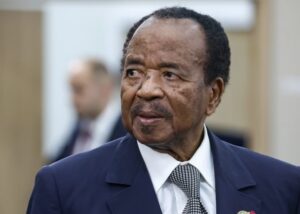
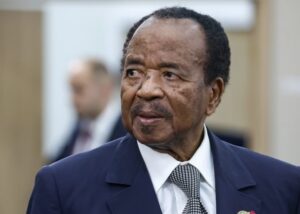
The CPDM’s Secretary-General, Jean Nkuete, called the meeting under the banner of an “important working session,” though no agenda or rationale was disclosed. President Biya, now 93, departed on June 7, with authorities initially framing his absence as a brief private trip. Since then, no official communication has been made about his return.
This silence has sparked growing concerns. In response, the CPDM’s propaganda chief, Christophe Mien Zok, published an editorial on July 15 in L’Action to counter narratives of a “pilot-auto” leadership. He emphasized that “power remains intact” and that “the Lion is not gone,” while state channels continued releasing messages attributed to Biya, including greetings to foreign leaders like Emmanuel Macron and the President of Montenegro. No public appearances or official engagements have been reported since his departure.
Opposition voices demand accountability
Political opponents are now demanding clarity on presidential authority and institutional safeguards. Deputy Jean-Michel Nintcheu has urged the Constitutional Council to declare a presidential vacancy. Meanwhile, the Democratic Union of Cameroon (UDC) has taken a more measured stance, rejecting speculation about Biya’s personal circumstances but arguing that the continuity of governance cannot rely on ambiguity. In a July 18 statement, the party acknowledged that prolonged foreign absences do not automatically constitute a vacancy but stressed the need for scrutiny over how presidential duties are exercised and what protocols apply in cases of temporary incapacity.
Constitutional gaps fuel uncertainty
Cameroon’s legal framework offers no clear deadline for how long a president may remain abroad before institutional action is required. Analysts and political actors argue this ambiguity warrants urgent review. The UDC also highlighted another concern: the vice-presidency, reintroduced in April’s constitutional reforms, remains unfilled. The party advocates for legal reforms to define precise procedures during extended presidential absences. Since assuming office in 1982, Biya has made routine visits to Europe, but this 45-day absence is the longest on record without an official return timeline.