After a decisive meeting with religious leaders in Kinshasa, President Félix Tshisekedi has announced his decision to proceed with an inclusive national dialogue. This long-awaited initiative, which opposition groups have demanded for over a year, now hinges on formal steps: a presidential decree, the appointment of facilitators, and the establishment of a clear agenda and discussion framework.
Why the sudden change?
The president’s announcement follows sustained pressure from civil society and religious organizations, which have repeatedly called for structured dialogue to address the country’s deepening political and social tensions. The shift also appears to respond to the opposition’s threat of mass protests, with the C64 coalition temporarily suspending planned demonstrations until August 15—granting the government a two-week window to act.
What remains to be done?
While the president’s commitment is a significant step, the road ahead is complex. The opposition has set an August 15 deadline for the government to formalize the dialogue through an official decree, select mediators, and outline discussion parameters. Failure to meet this ultimatum could reignite tensions, as protests remain a credible threat.
Key challenges ahead
- Inclusivity and trust: Ensuring all political factions, civil society groups, and marginalized communities are genuinely represented will be critical to the dialogue’s legitimacy.
- Structural clarity: The president must define the mandate of facilitators, the discussion framework, and the timeline to avoid delays or accusations of manipulation.
- Public confidence: Restoring faith in institutions will require transparency at every stage, from the selection of participants to the publication of outcomes.
As Kinshasa awaits the president’s next moves, the nation watches closely—hoping this initiative can bridge divides rather than deepen them.
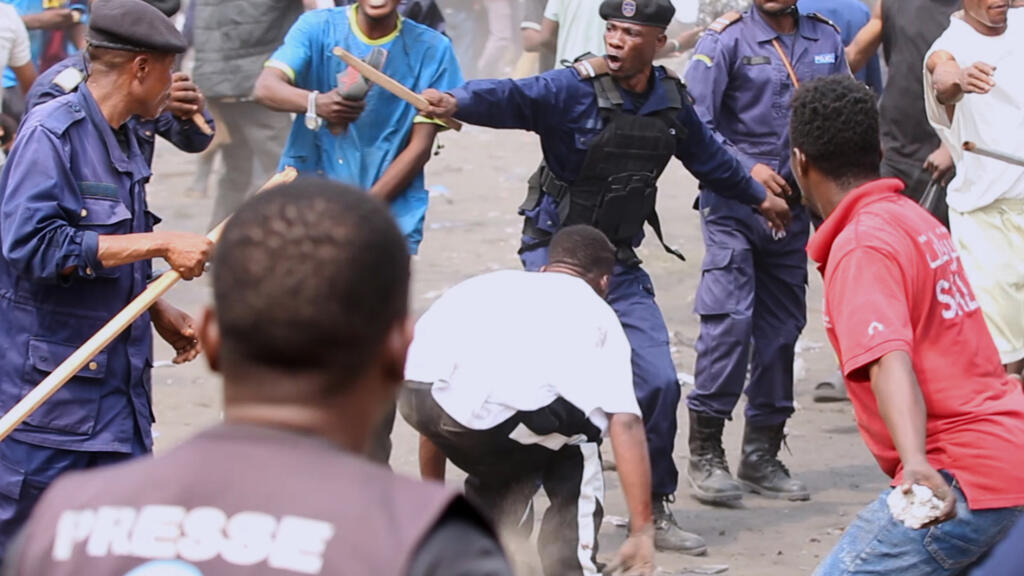
With the opposition’s ultimatum looming, the coming weeks will test whether this dialogue can deliver meaningful progress—or merely postpone further conflict.