Local financing strategies emerge as external support dwindles in Burkina Faso
The Network of African Media for Health and Environment Promotion (REMAPSEN) convened a pivotal discussion on March 24, 2026, addressing a pressing question: “In the face of growing insecurity and shrinking international aid, what homegrown solutions can ensure sexual and reproductive health rights and family planning services in Burkina Faso?”
Burkina Faso now faces a critical challenge—maintaining essential sexual and reproductive health (SRH) services amid declining external funding. Recent data from the Ministry of Health reveals that over 81% of financing in this sector previously came from international partners. With contributions steadily decreasing, national stakeholders are compelled to explore sustainable internal alternatives.
Community-led funding: a sustainable path forward
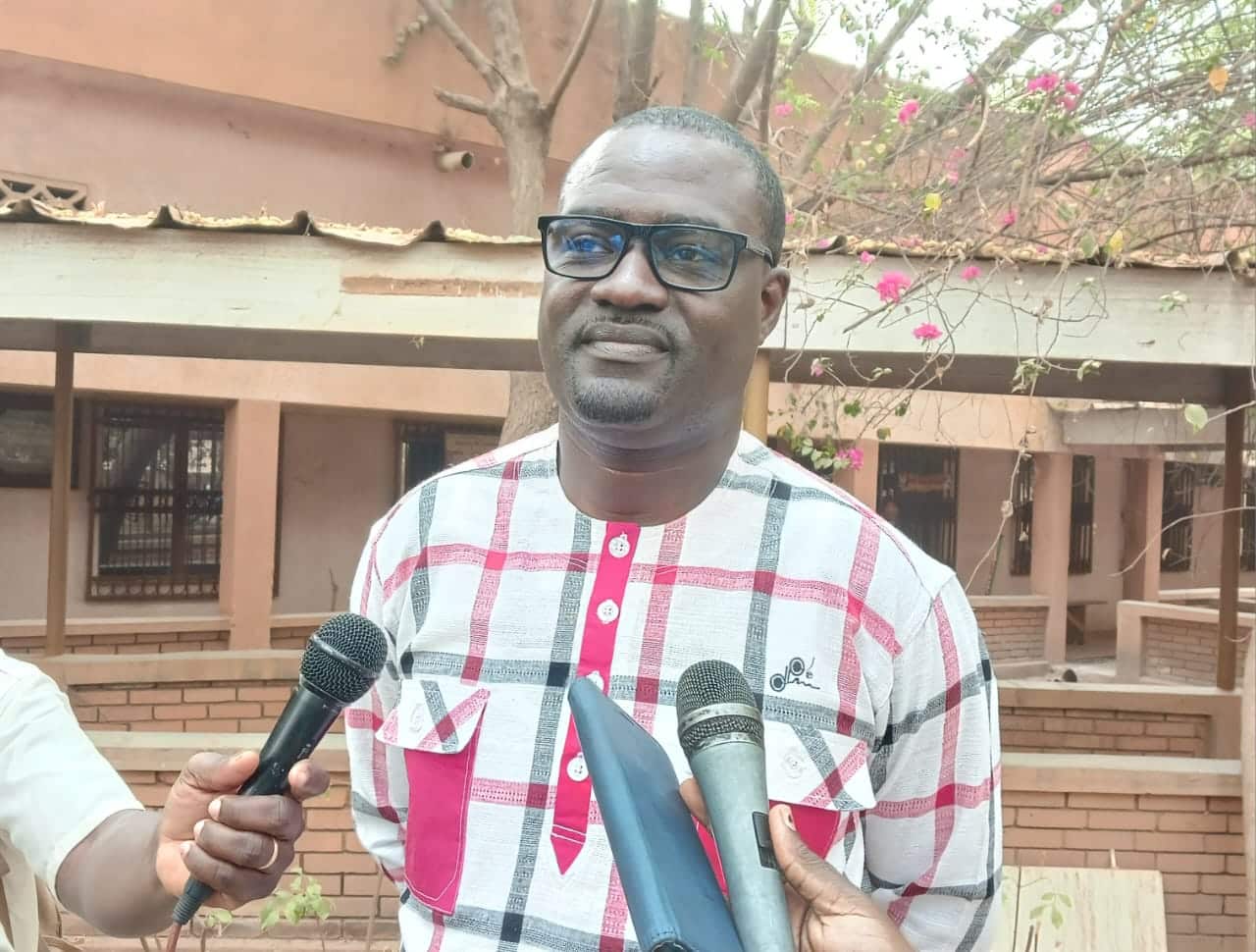
Désiré Thiombiano, Director of AMS Synergie Burkina Faso, emphasizes the importance of empowering communities to take charge. “We can no longer rely solely on external partners. It’s time for Burkinabè citizens to invest in their own sexual health to prevent early pregnancies, child marriages, and maternal deaths,” he asserts. His proposed strategy involves three key pillars:
- Community awareness: Educating populations on the necessity of self-funding for SRH services.
- Positive masculinity: Engaging opinion leaders and religious figures to advocate for SRH and drive behavioral change.
- Institutionalized local collection: Strengthening transparent, community-based fundraising through local governments to ensure long-term sustainability.
Dr. Clarisse Bougma, representing the Director of Family Health, highlights the government’s commitment. Between 2020 and 2025, Burkina Faso allocated nearly 3.9 billion CFA francs to procure contraceptives. Despite reduced external aid, the Ministry of Health remains determined to expand SRH services, particularly in hard-to-reach areas.
“Mobilizing local resources is not just a strategy—it’s a necessity for ensuring the durability of SRH programs and accelerating progress toward global health goals,” she explains.
Media’s role in fostering health sovereignty
Boureima Sanga, REMAPSEN Coordinator in Burkina Faso, underscores the media’s vital role in this transition. “In a multi-crisis context, journalists must understand local funding mechanisms to inform the public and champion health sovereignty,” he notes. This gathering aligns with ongoing advocacy and capacity-building efforts for media professionals, supported by the Ouagadougou Partnership.
Since its establishment in June 2020, REMAPSEN has been organizing regular national forums to promote homegrown solutions in health and environmental advocacy.