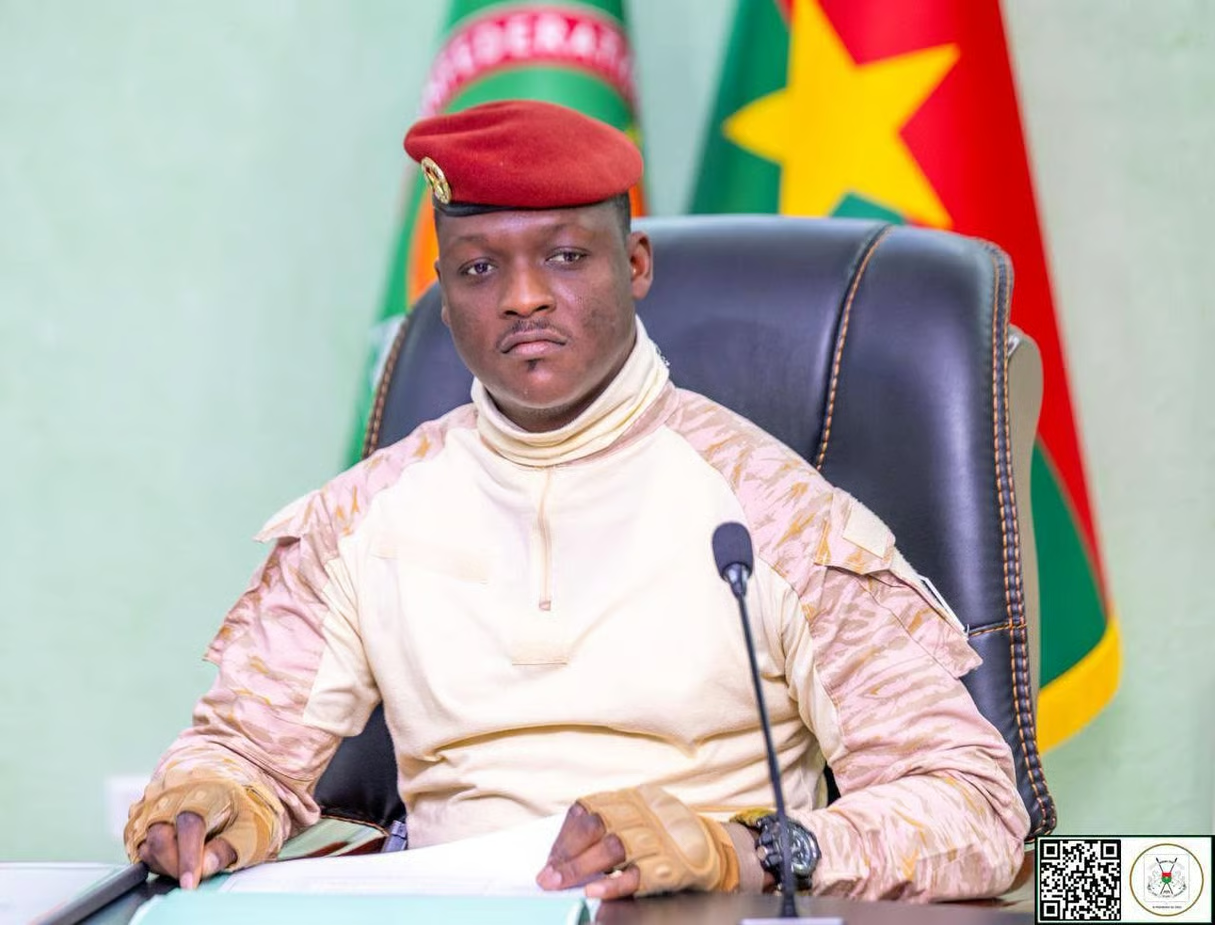
Ouagadougou has taken a decisive step in its foreign policy by announcing the immediate suspension of all diplomatic relations with France. The announcement came amid growing frustration over Paris’s handling of regional security challenges and allegations of interference in Burkina Faso’s internal affairs.
In a televised address, the transitional government of Burkina Faso declared that the decision reflects a broader demand from the population for greater sovereignty and reduced foreign influence. The move follows months of strained relations, marked by public protests and calls for the withdrawal of French troops currently deployed in the country.
Why is Burkina Faso severing ties with France?
Burkina Faso’s government has cited several key factors behind this unprecedented decision:
- Perceived interference: Officials argue that France has overstepped its role by attempting to dictate domestic policies, particularly in security and economic matters.
- Military presence concerns: The continued deployment of French troops in Burkina Faso has sparked controversy, with critics accusing Paris of failing to deliver on security promises despite years of cooperation.
- Economic grievances: There is widespread belief that trade agreements heavily favor France, leaving Burkina Faso at a disadvantage in bilateral economic exchanges.
- Public pressure: Protests across the country have intensified, with citizens demanding greater autonomy and an end to what they view as neocolonial practices.
President Ibrahim Traoré emphasized that the decision is not an attack on the French people but a necessary move to reclaim national dignity and self-determination.
What happens next?
The immediate consequences of this decision are far-reaching. French diplomats have been given 72 hours to leave Burkina Faso, while Burkinabè officials in France have been recalled for consultations. The French embassy in Ouagadougou will cease operations, and consular services will be suspended until further notice.
Analysts warn that this rupture could have significant implications for regional stability, particularly in the fight against armed groups active in the Sahel. France has been a key partner in counterterrorism efforts, and its absence may create a security vacuum that neighboring countries will struggle to fill.
Burkina Faso has stated that it will seek alternative partnerships to address its security and development needs, including deepening ties with other African nations and exploring new international alliances.
Reactions from across Africa
The announcement has sparked mixed reactions across the continent. While some leaders have praised Burkina Faso’s bold stance on sovereignty, others have expressed concerns about the potential destabilization of the region.
Civil society groups in Burkina Faso have largely welcomed the decision, viewing it as a long-overdue correction to an imbalanced relationship. However, business leaders have raised alarms about the economic fallout, particularly for companies reliant on French markets and investments.
As the dust settles, the world will be watching closely to see how Burkina Faso navigates this new chapter in its foreign policy and whether other nations in the region follow suit.