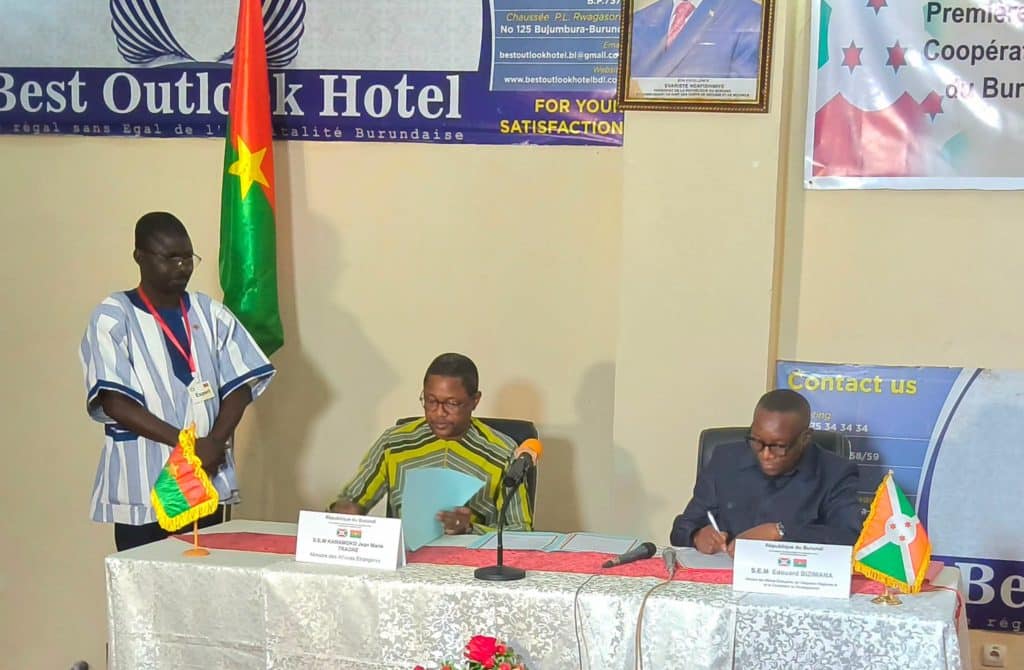
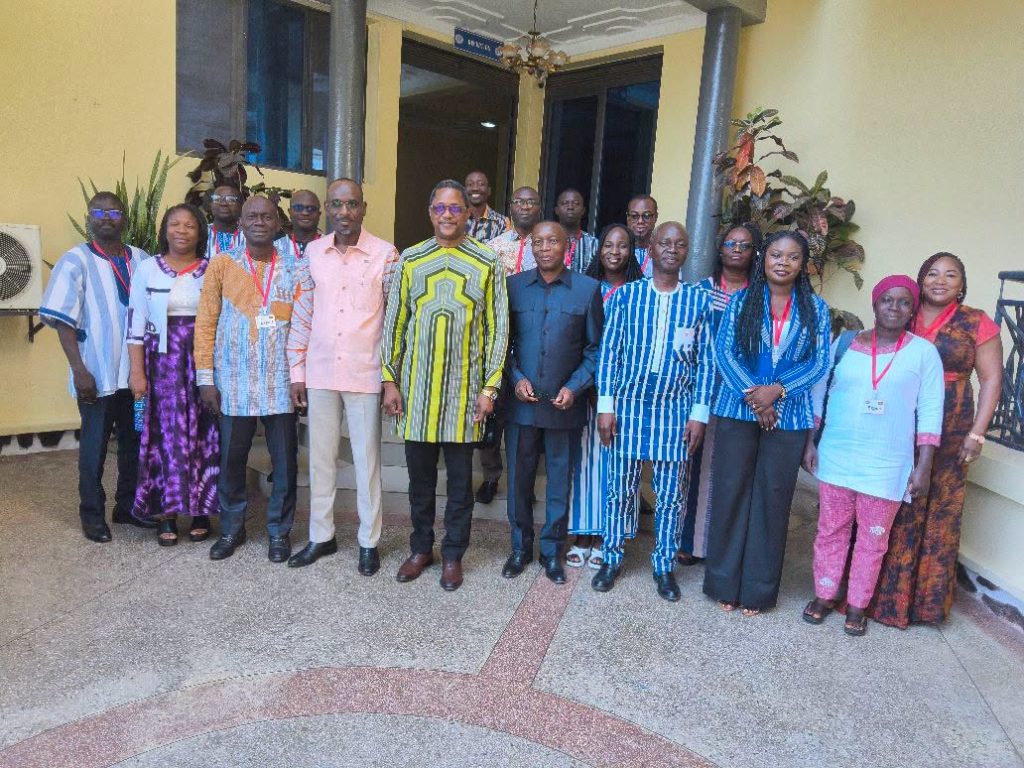
This week marked a significant milestone in the diplomatic relations between Burkina Faso and Burundi, as the first joint commission concluded in Bujumbura with the formalization of 14 cooperation agreements. The landmark event, held on August 13, 2026, brought together experts and officials from both nations to finalize frameworks that will shape future collaboration across multiple critical sectors.
Strategic sectors targeted for enhanced collaboration
The newly signed accords cover a broad spectrum of areas essential to the development and well-being of both populations. Key sectors include agriculture and livestock, civil security, air services, health, employment, labor, and social protection. Additional agreements focus on youth development, sports, and leisure activities, reflecting a holistic approach to bilateral cooperation.
Diplomatic facilitation and workforce mobility
Among the most notable achievements is the mutual agreement to abolish visa requirements for citizens holding diplomatic, service, or ordinary passports. This decision aims to streamline travel and foster stronger people-to-people connections between the two countries.
Comprehensive frameworks for sustainable growth
The cooperation extends further to include vital domains such as disaster risk prevention and management, technical and vocational education, higher education, and research. The mutual recognition of national driver’s licenses and technical qualifications is also part of the new arrangements, simplifying professional mobility and cross-border opportunities.
From commitment to action: a shared vision for implementation
The signing ceremony concluded a series of intensive negotiations aimed at translating political will into tangible outcomes. Both countries reaffirmed their intention to convert these legal instruments into real-world benefits for their citizens, emphasizing the importance of swift and efficient implementation.
Karamoko Jean Marie Traoré, Burkina Faso’s Minister of Foreign Affairs, underscored the significance of the moment, stating that the agreements represent a new beginning rather than a conclusion. He stressed the need for relentless follow-up to ensure the frameworks yield measurable progress for both nations.
The Burkinabe diplomat emphasized that the joint commission must serve as a bridge between high-level political directives and ground-level execution, turning policy into actionable projects and measurable results.
Édouard Bizimana, Burundi’s Minister of Foreign Affairs, highlighted the importance of South-South cooperation grounded in economic exchanges and mutual investments. He advocated for stronger ties between private sectors, increased reciprocal investments, and the promotion of trade opportunities. The facilitation of goods and services circulation was identified as a key priority to unlock economic potential.
Regional leadership in South-South partnerships
The initiation of this first joint commission aligns with the forward-looking vision of Burkina Faso’s President Ibrahim Traoré and Burundi’s President Évariste Ndayishimiye. Both leaders are committed to positioning their countries as models of South-South cooperation, rooted in regional integration, mutual trust, solidarity, and peace.
To ensure accountability and sustained progress, the two governments agreed to promptly establish sectoral committees dedicated to monitoring the implementation of the signed agreements. These bodies will play a crucial role in tracking developments and ensuring that commitments translate into real benefits for citizens in Burkina Faso and Burundi.