Across Niger, communities face persistent security challenges that threaten both lives and livelihoods. In response, a growing movement emphasizes inclusive dialogue as a cornerstone for sustainable peace and national cohesion. This approach goes beyond state-led measures, engaging citizens from all walks of life—religious leaders, young people, women, and local authorities—in meaningful exchanges to address the root causes of instability.
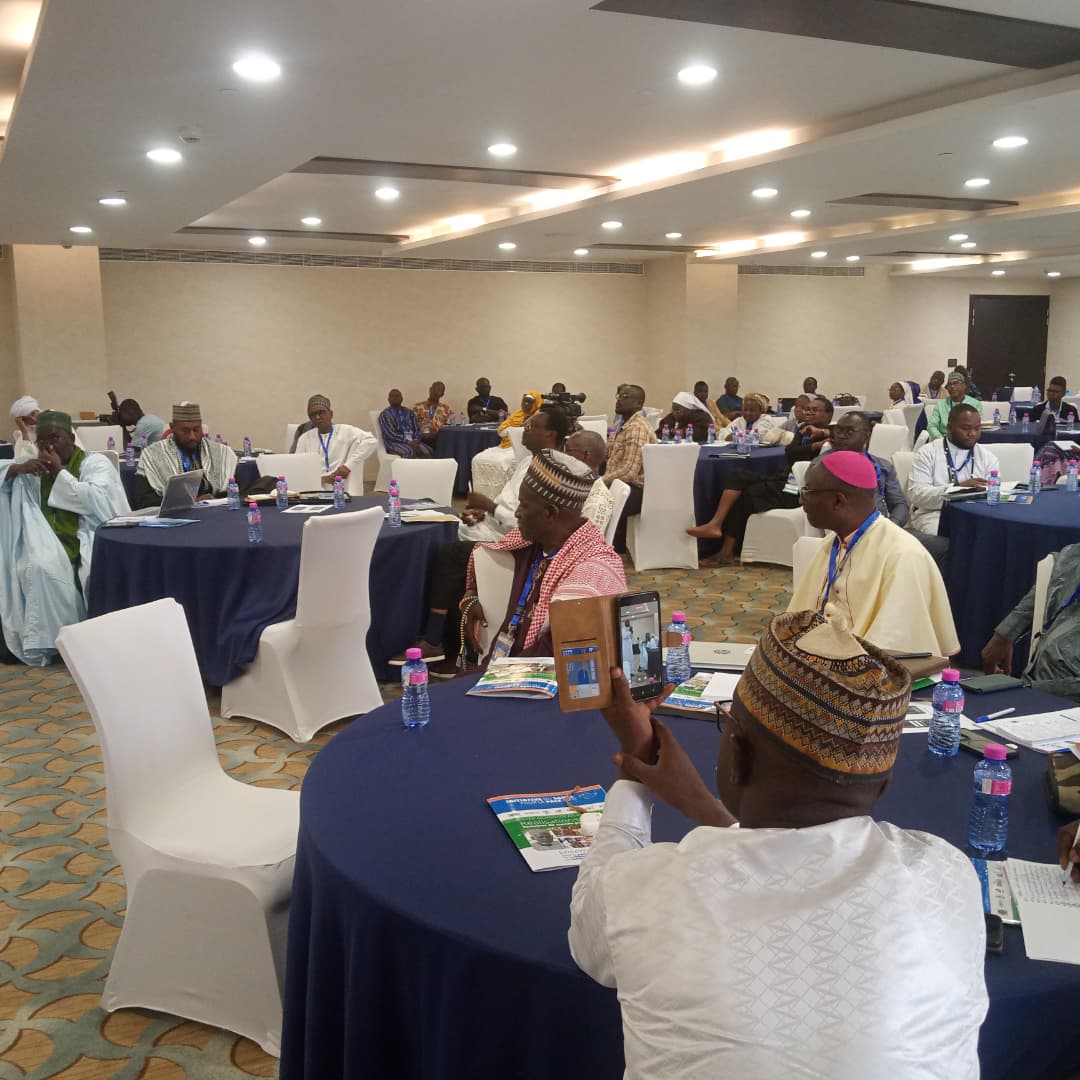
The first national forum of the Sahel Peace Initiative (SPI) held in Niamey on June 23–24, 2026, marked a pivotal step in this direction. Bringing together residents from high-risk areas, faith leaders, security experts, and development practitioners, the event fostered collective reflection on how to restore trust, strengthen social cohesion, and build resilient communities across Niger.
Voices of hope amid hardship
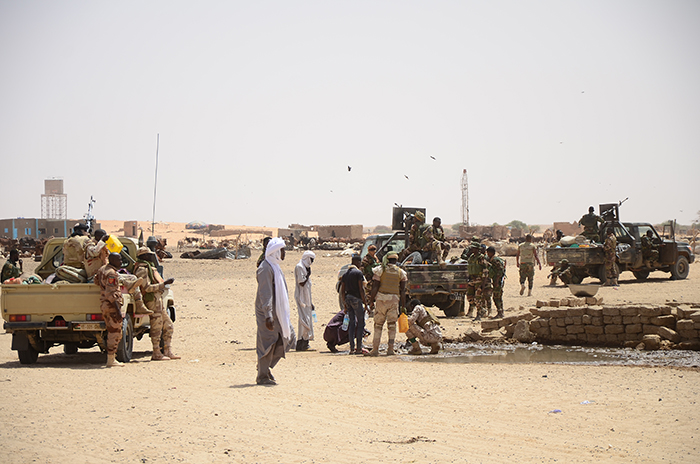
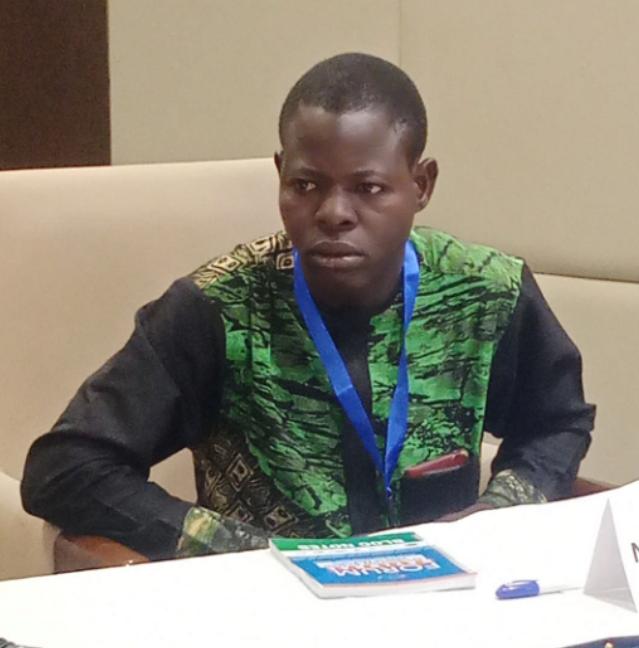
In towns like Téra, Makalondi, and Torodi, daily life remains precarious. While regular patrols by the Nigerien Defence and Security Forces (FDS) provide a measure of reassurance, communities still face severe disruptions. Markets stall, children miss school, and farmers abandon fields under threat of violence or extortion. Seydou Hamidou, a youth leader from the rural commune of Makalondi in Torodi, describes the stark choices confronting young people: forced recruitment by armed groups, displacement, or risky migration in search of safety.
« Without the presence of the FDS, our young people are vulnerable to coercion, theft, and illegal taxation. Many have no choice but to leave their villages. Even those who wish to join the national army face threats to themselves and their families, » he explains.
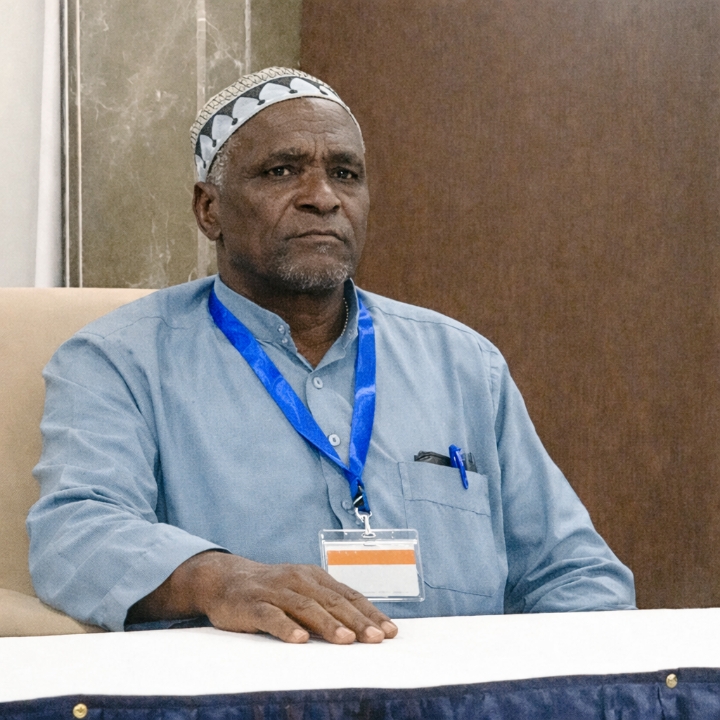
Victor Harouna, a resident of Téra who attended the Niamey forum, highlights the cascading economic toll of insecurity. Transport costs have skyrocketed—what once cost 3,000 CFA francs now demands 10,000 to 15,000 CFA. Crops are sabotaged, and displaced families struggle to return home despite military support. « Earlier waves of displacement have eased, but daily survival remains a struggle, » he notes.
Women bear a disproportionate burden. Amina, a community leader from Torodi, recounts how women once ran thriving small businesses and supported their families. Today, many have lost husbands to violence, seen children drop out of school, and face displacement themselves. « We need more military presence and stronger support, » she pleads.
State-led recovery and community reintegration
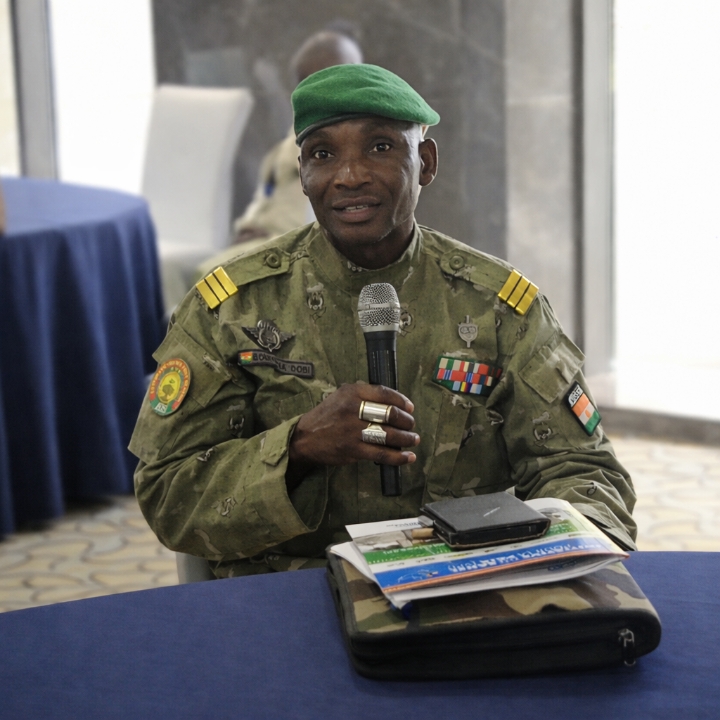
The Nigerien authorities have intensified efforts to reintegrate displaced populations. Captain Boureima Dobi, Prefect of Torodi, reports that over 800 displaced persons have returned to their homes in the rural commune of Makalondi, with a second wave of returns in preparation. « The State is not idle—it continues to provide food assistance and coordinate closely with local leaders to ensure the well-being of our citizens, » he affirms.
The Prefect also stresses the importance of local vigilance. Many attacks are enabled by hidden sympathizers within communities. Encouragingly, some former supporters of armed groups have surrendered weapons and reintegrated. « Through ongoing dialogue and sensitization, families are taking responsibility. Patriotism must be nurtured in every citizen, » he emphasizes.
Since the establishment of the National Council for the Safeguard of the Homeland (CNSP), Niger has prioritized security, peacebuilding, and national cohesion grounded in local values. The High Authority for Peace Consolidation (HACP), reporting directly to the President, leads nationwide efforts to restore unity, prevent conflict, and strengthen community resilience.
Boubacar Hamidou, Director of Recovery and Stabilization at HACP, explains that the institution focuses on empowering local leaders—especially women and youth—through training in conflict prevention, mediation, and livelihood restoration. « We work hand-in-hand with municipal councils to implement development projects that rebuild trust and restore dignity in affected communities, » he says.
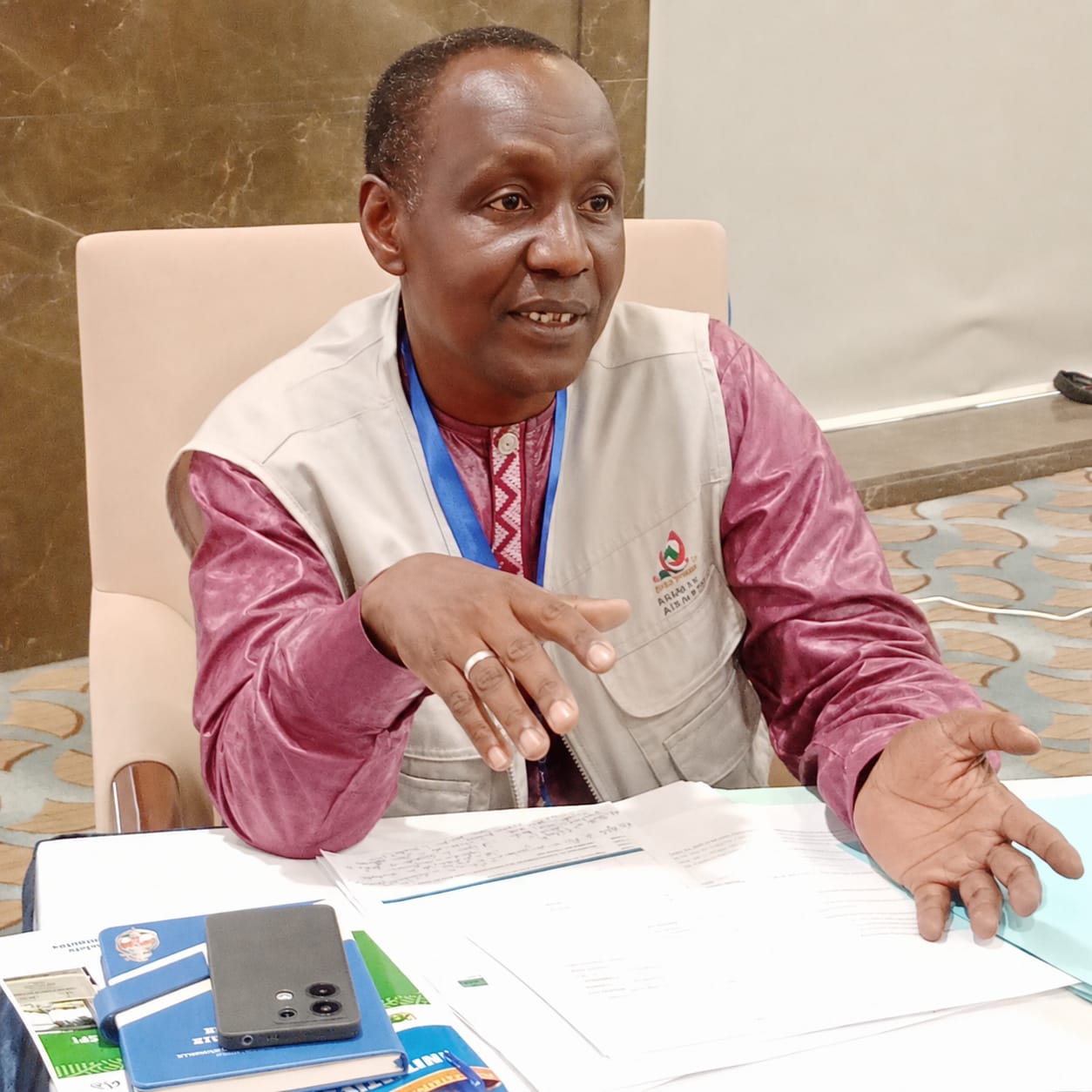
The Sahel Peace Initiative: a regional commitment to resilience
Launched in 2019 under the auspices of West African Episcopal Conferences and partners like the CJP Burkina, the Sahel Peace Initiative (SPI) is a regional network dedicated to fostering social cohesion and community resilience in the Sahel. Active in Niger, Mali, and Burkina Faso, the SPI brings together Christian and Muslim communities to promote interfaith dialogue, peace education, and inclusive development in vulnerable areas.
During the Niamey forum, Archbishop Laurent Lompo of Niamey urged Nigeriens to « prioritize dialogue and intergenerational exchanges to address peace and security challenges together. » The SPI’s work spans youth employment initiatives, peace education, digital innovation for conflict resolution, and psychosocial support—all aimed at building resilience from the ground up.
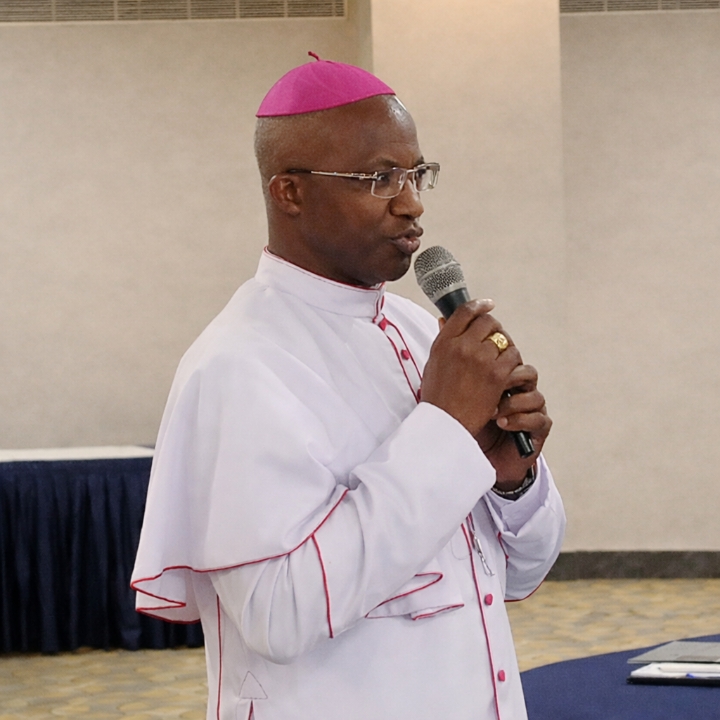
Faith leaders as architects of peace
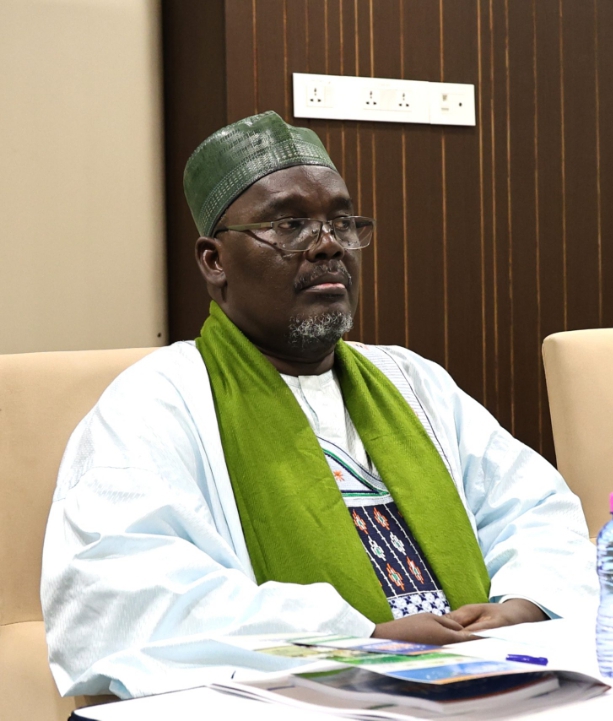
Religion plays a pivotal role in shaping narratives of peace and conflict across the Sahel. In Niger, the National Committee for Intra- and Interreligious Dialogue (CDIR) emerged in response to threats from extremist groups, particularly in the Diffa region. Its mission: to counter hate speech, resolve communal and land disputes, and promote coexistence rooted in shared values.
Honorable Cheikh Barham Aboubacar, CDIR National Coordinator, explains: « Our goal is to prevent religious tensions by fostering understanding and addressing inflammatory rhetoric. We’ve established local peace committees and mediation cells across the country to resolve disputes before they escalate. » These grassroots efforts have already mediated numerous conflicts, restoring calm in many communities.
Community media: the voice of reason in turbulent times
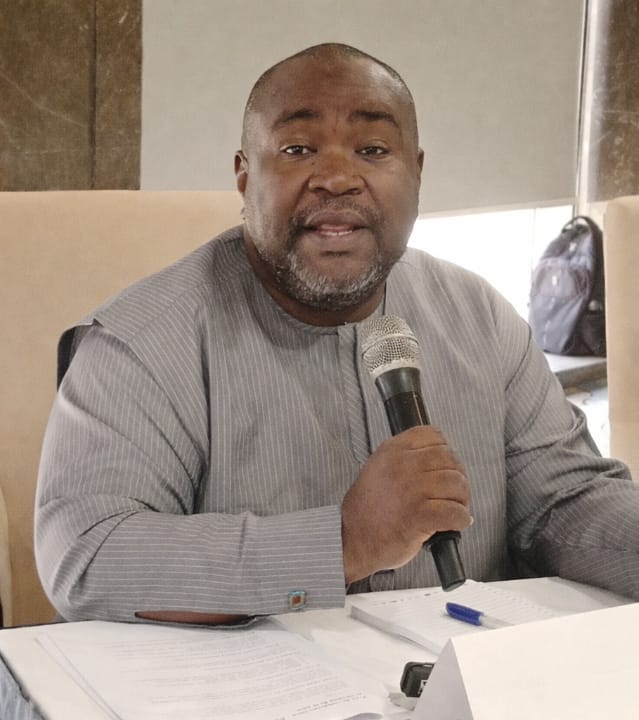
Community radio stations and local media outlets have become vital in countering misinformation and uniting communities. Alhassane Mahamane, Editor-in-Chief of Studio Kalangou, notes that these platforms provide a lifeline for rural populations, offering education, conflict-sensitive reporting, and platforms for citizens to voice concerns. « Community media reflect local priorities and realities. They are a tool we must cherish and strengthen, » he says.
The power of women in peacebuilding
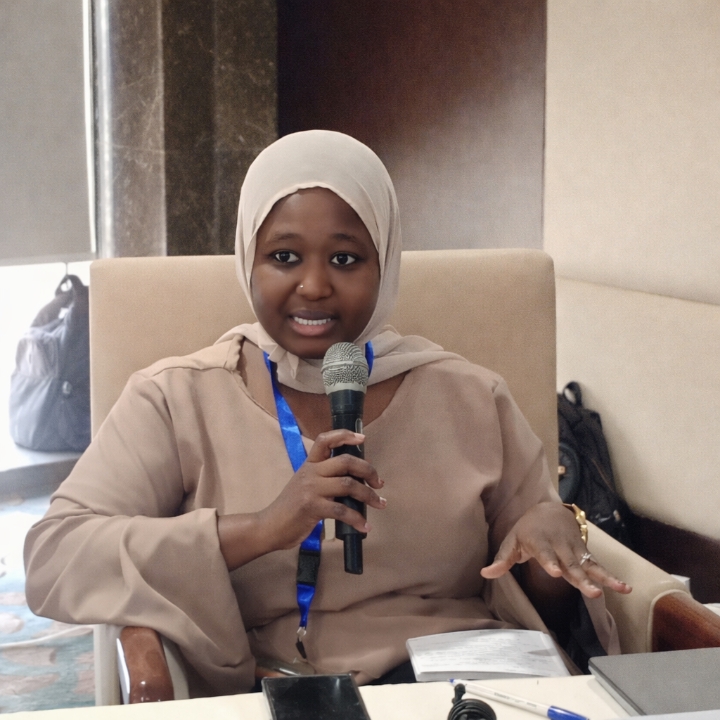
Women are increasingly recognized as central to peace and development. Amina Boukary, Partnership Coordinator for the NGO Women, Actions and Development (FAD), highlights how women are forming networks to generate income, educate children, and strengthen social cohesion. « Women make up half of Niger’s population. Their leadership and participation in local peace mechanisms are not optional—they are essential, » she insists.
To fully realize their potential, women need targeted support: leadership training, access to education for girls, and inclusion in decision-making bodies. « When women lead, communities thrive. We must invest in their capacity to transform conflict into cooperation, » she concludes.
Ultimately, durable peace in Niger rests on the collective will of every citizen. Through inclusive dialogue, state-citizen collaboration, and the empowerment of women and youth, communities are reclaiming their future—one resilient step at a time.