Bénin: razacki amouda issifou appointed as the new ombudsman
Béninese lawmakers have enacted a significant reform altering the method for appointing the Ombudsman of the Republic. Under this new legislative framework, the first vice-president of the Economic and Social Council (CES) automatically assumes this crucial role. This position is currently held by Razacki Amouda Issifou.
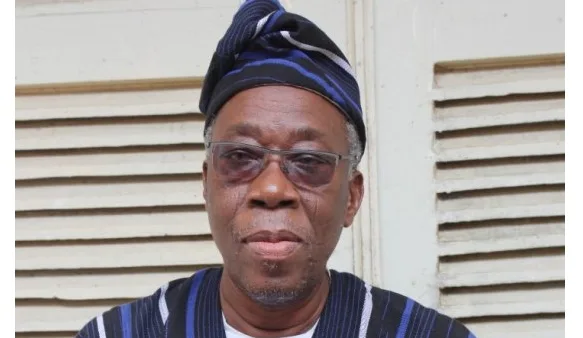

Razacki Amouda Issifou has officially become the new Ombudsman of the Republic of Bénin. His assumption of this vital public function follows the parliamentary approval of an amendment to the law governing the institution, which took place on Wednesday, June 24, 2026.
The revised legislation stipulates that the responsibilities of the Ombudsman are now automatically fulfilled by the first vice-president of the Economic and Social Council (CES). This institutional overhaul abolishes the previous system where the Ombudsman was appointed, establishing a more streamlined succession process.
As the current first vice-president of the CES, Razacki Amouda Issifou naturally transitions into the role of Ombudsman. He takes over from Pascal Essou, who had served in the position since 2021. This significant institutional shift received endorsement from deputies during a plenary session at the National Assembly, underscoring Bénin’s ongoing commitment to strengthening its governmental structures.
Razacki Amouda Issifou brings a wealth of experience to his new office, having previously served as vice-president of the Constitutional Court. A jurist by profession, his extensive public career also includes terms as a deputy, president of the National Assembly’s Laws Commission, mayor, and secretary-general of the inaugural Autonomous National Electoral Commission (CENA) in 1996.
The primary mandate of the Ombudsman of the Republic involves mediating and resolving disputes between citizens and public administration. The office plays a crucial role in seeking amicable solutions, particularly when individuals believe they have been unfairly treated in their interactions with state services.