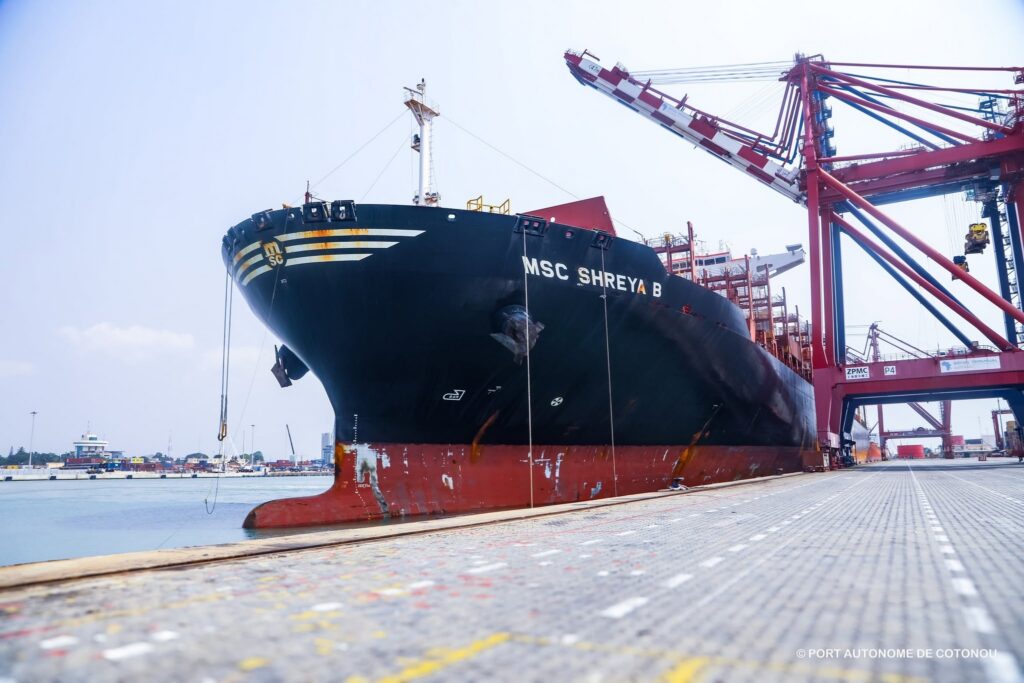
Benin’s emergence as a critical logistics corridor in West Africa isn’t accidental—it’s the result of deliberate infrastructure investments, geopolitical positioning, and deep-rooted regional dependencies. At the heart of this transformation lies the Cotonou-Niamey corridor, a 729-kilometer lifeline funded by a €30 million joint initiative from the European Union and Belgium’s Enabel agency. This strategic push reveals how Benin is leveraging its coastal access to reshape trade flows across landlocked Niger and beyond.
Why geography alone isn’t enough
Benin’s location along the Gulf of Guinea gives it a natural advantage: it serves as the primary maritime gateway for Niger, a landlocked nation whose food security and economic stability hinge on smooth access to seaports. But proximity isn’t sufficient. Years of congestion at Nigeria’s ports and inconsistent border procedures have created bottlenecks that undermine regional commerce. Recognizing this vulnerability—and opportunity—Benin has moved aggressively to upgrade not just roads, but the entire logistics ecosystem connecting Cotonou to Niamey.
The Cotoni project: more than just roadwork
Launched in May and set to run for four years, the Cotoni project (Support Project for the Development of the Cotonou-Niamey Corridor) goes far beyond asphalt and signage. It’s built on four operational pillars designed to ensure long-term viability:
- Enhanced governance: Institutional frameworks to sustain investment and fund routine road maintenance.
- Corridor security: Safer transit routes for hauliers by removing arbitrary checkpoints and improving physical safety.
- Trade facilitation: Digital and logistical integration to strengthen local value chains, especially in agriculture.
- Customs modernization: Streamlined coordination at the joint Benin-Niger border post to cut clearance delays.
Regional ripple effects
This corridor doesn’t end at Niamey. It extends toward key Nigerian crossing points, positioning Benin as a transnational conduit rather than just a national hub. The initiative aligns with broader West African infrastructure shifts—including the upcoming Abidjan-Lagos Highway, partially slated for 2030—and complements Benin’s domestic fleet renewal program. Together, these efforts aim to eliminate the chronic inefficiencies that have plagued cross-border trade for years.
A showcase for west africa’s logistics future
The stakes will be on full display at the Transport Logistique Cotonou (TLC) exhibition, held November 12–14 at the Palais des Congrès. Co-organized with the Autonomous Port of Cotonou and ACAM, the event will gather over 2,000 regional stakeholders. Beyond panel discussions on African freight challenges, open-house tours will offer rare behind-the-scenes access—from dockside operations to maritime entry channels—highlighting Benin’s commitment to transparency and efficiency as it stakes its claim as West Africa’s logistics engine.