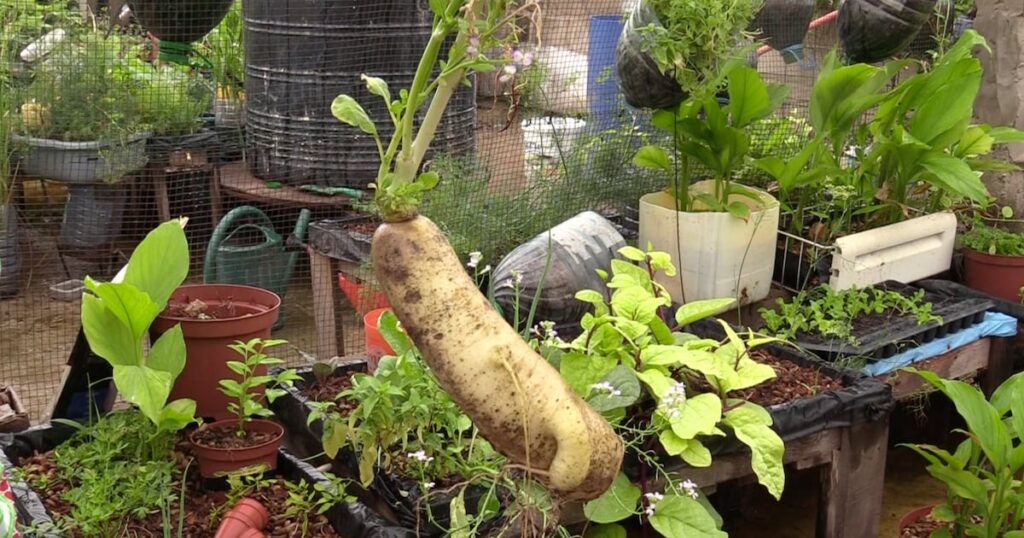
With growing demand for healthy, locally sourced food in Bamako, the Resapac network has pioneered a sustainable model built on short supply chains and responsible consumption. For over a decade, this initiative has connected city dwellers with high-quality organic products while ensuring fair pay for farmers.
How the Resapac network connects Malian producers and consumers
The Resapac model unites three key players: farmers, processors, and buyers, all operating under a transparent collective governance system. By eliminating middlemen, the network prioritizes direct sales from field to table, promoting local, eco-friendly agriculture that preserves Mali’s natural resources.
From Sotuba to Hippodrome: the expansion of Bamako’s organic markets
What began as a single stall in Sotuba has grown into a thriving network of four dedicated organic markets across Bamako: Sotuba, Badalabougou, Magnambougou, and Hippodrome. Each location serves as a bridge between conscientious producers and health-focused shoppers, reinforcing the city’s commitment to sustainable food systems.
Producer testimonial: the benefits of organic farming
Abdoulaye Sacko, a vegetable farmer and Resapac member, describes how his partnership with the network transformed his livelihood. “My crops are entirely chemical-free, relying solely on organic inputs. Since joining Resapac, my income has improved, and I’ve seen firsthand how direct sales benefit both farmers and consumers.”
Consumer perspective: why choose organic in Mali?
Djènèba Diallo, coordinator of Resapac’s Bamako markets, highlights the stark contrast between conventional and organic produce. “Fruits and vegetables from industrial farms spoil within 24 hours due to excessive pesticide use, while our organic options stay fresh much longer. This isn’t just about health—it’s about supporting a fairer, more sustainable food chain.”
For city residents eager to reduce their environmental footprint, Resapac offers more than just access to nutritious food—it fosters a transparent relationship between those who grow the crops and those who eat them.