On Saturday, May 3, the streets of Bamako witnessed a significant mobilization as hundreds of citizens gathered to voice their opposition to the potential ban on political organizations. This rare public demonstration highlights growing concerns over the future of democratic governance in Mali.
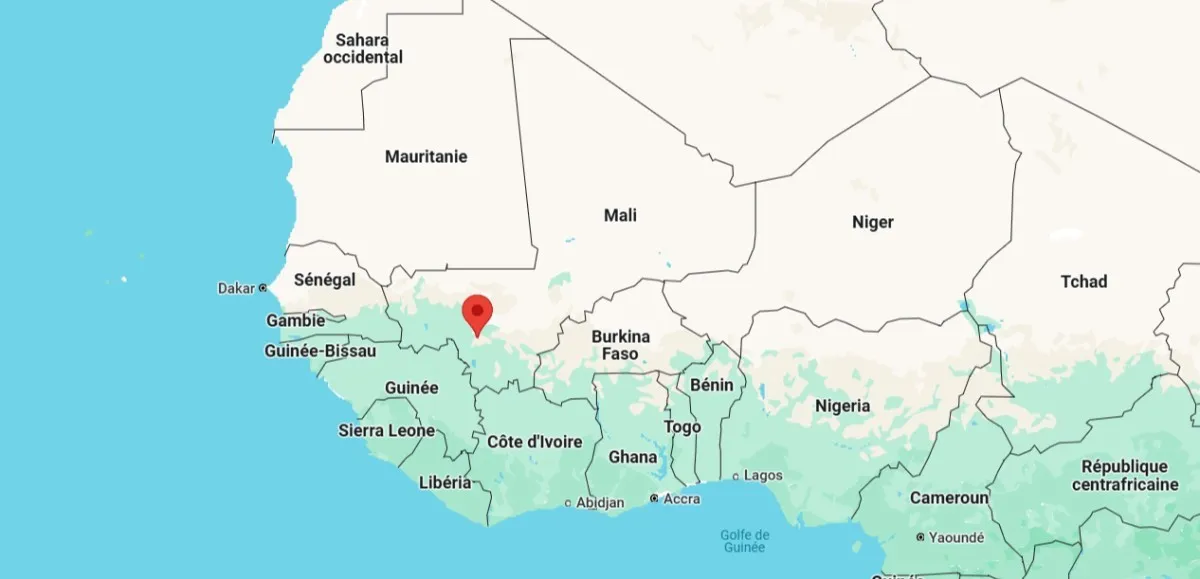
Gathering at the Palais de la culture in the capital, protesters responded to a call from a coalition of political groups. Amidst a climate of increasing tension, participants chanted slogans such as “Long live democracy, down with dictatorship,” signaling a clear rejection of the authoritarian direction many fear the military administration, led by General Assimi Goïta, is taking.
Rising political tensions and legislative changes
The catalyst for this recent unrest was the decision made on Wednesday, April 30, 2025, when authorities revoked the existing law regulating political parties. Many observers view this move as a precursor to a total ban on these organizations. This legislative shift follows a series of consultations initiated by the transitional government, which were largely ignored by major opposition factions.
The outcomes of these meetings, which critics argue do not represent the broader population, include startling proposals: the complete abolition of political parties and the confirmation of General Goïta as President for a five-year term, renewable without the need for national elections. The final verdict on these recommendations rests with Assimi Goïta, who has held power since the successive coups in 2020 and 2021.
A challenge to constitutional freedoms
This rally represents one of the few instances of open defiance against the military junta since 2021. Since the takeover, the administration has been accused of targeting opposition figures, dissolving civil society groups, and restricting media freedom. Nevertheless, both the 1992 Mali Constitution and the newly adopted 2023 Basic Law explicitly protect the right to a multiparty system, as well as the freedoms of speech and association.
In a broader regional context, Mali has distanced itself from traditional alliances. Alongside Burkina Faso and Niger, the country withdrew from Cédéao and established the Alliance des États du Sahel (AES), solidifying a bloc of military-led nations in West Africa.