Algeria and Mali restore airspace access and diplomatic ties
After more than a year of strained relations, Algeria and Mali have taken a significant step toward reconciliation. Both nations announced the reciprocal reopening of their airspaces to civilian and military flights, along with the return of their ambassadors—a move signaling progress in normalizing bilateral relations.
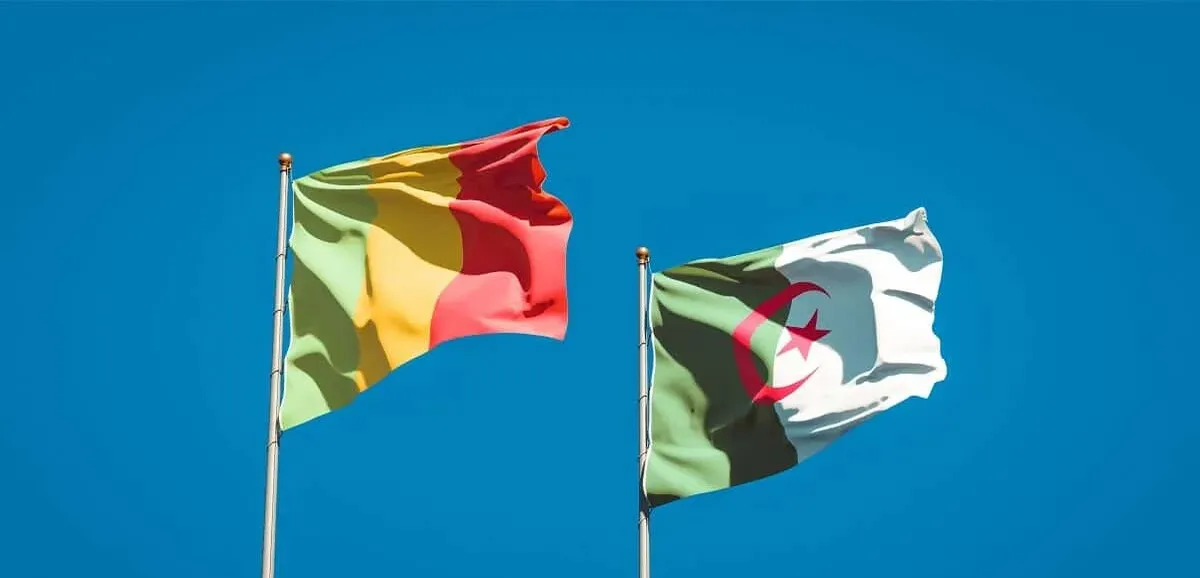
Thaw after fifteen months of diplomatic standoff
Algiers and Bamako have simultaneously declared the reopening of their airspaces to both civil and military flights. Mali confirmed the return of its ambassador to Algeria, recalled in April 2025, while Algeria announced the reinstatement of its diplomatic envoy in Bamako. These decisions conclude over fifteen months of diplomatic estrangement between the two neighboring countries.
Origins of the dispute: a disputed military drone incident
The relationship between the two countries deteriorated sharply after a Malian military drone was destroyed near their shared border in April 2025. Algeria claimed the aircraft had violated its airspace, a claim Bamako rejected, insisting the drone was operating within its own territory. The incident triggered the recall of ambassadors, the closure of airspaces, and a series of mutual accusations between Algeria and the Alliance of Sahel States (AES).
Ongoing disagreements amid shared interests
The tensions between Algiers and Bamako have persisted since the Malian junta came to power in 2020 and 2021. The new authorities frequently accuse Algeria of interference, pointing to its historical role in the 2015 peace agreement between Mali’s government and northern armed groups. Tensions further escalated when Mali openly supported Morocco’s autonomy plan for Western Sahara, a position diametrically opposed to Algeria’s stance. Despite these differences, the two countries share a long border and face common security challenges, particularly the threat posed by jihadist groups active across the Sahel region.