The Democratic Republic of Congo (DRC) is facing a critical moment as the opposition has postponed its planned march while maintaining fierce opposition to President Félix Tshisekedi’s potential third term. Instead, the opposition has issued a firm ultimatum: the national dialogue must commence before August 15. What does this demand signal about the political landscape, and what outcomes can citizens reasonably anticipate from this much-anticipated dialogue?
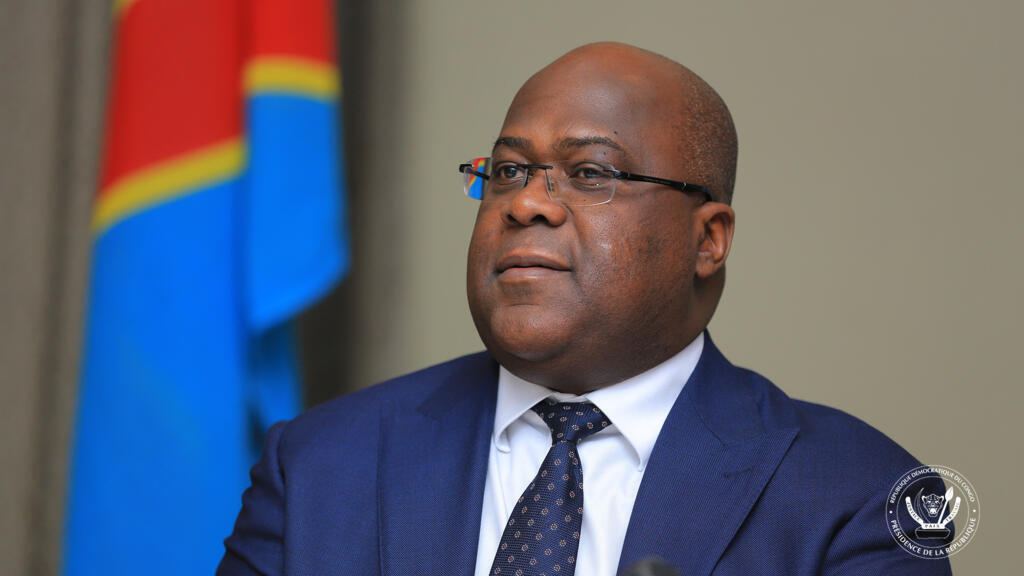
a political crossroads for the DRC
The opposition’s decision to delay its march highlights the gravity of the situation. While the protest was intended to voice strong objections to the proposed constitutional changes, leaders are now shifting focus to the national dialogue as a potential pathway to resolve tensions. The ultimatum set for August 15 underscores the urgency felt among opposition figures and their supporters, who insist that the dialogue must address key concerns before that deadline.
President Félix Tshisekedi’s announcement of the national dialogue has sparked both hope and skepticism. Supporters of the initiative argue that it could foster unity and provide a platform for constructive discussions. Critics, however, question whether the dialogue will lead to tangible outcomes or merely serve as a symbolic gesture to ease international pressure.
key expectations from the national dialogue
For many Congolese citizens, the national dialogue represents an opportunity to address pressing issues such as political stability, constitutional reforms, and the country’s ongoing security challenges. Here are some of the most anticipated outcomes:
- constitutional clarity: The opposition is particularly concerned about potential amendments that could allow President Tshisekedi to run for a third term. The dialogue is expected to clarify the government’s stance on constitutional revisions and reassure the public about the integrity of the electoral process.
- inclusive governance: Citizens and opposition groups are calling for broader inclusion in the political process. This includes greater representation for marginalized communities and political factions that have historically been sidelined.
- security and stability: The eastern regions of the DRC continue to grapple with armed conflicts and humanitarian crises. The dialogue is seen as a potential forum to discuss strategies for improving security and addressing the root causes of instability.
- economic reforms: Economic challenges, including unemployment and inflation, remain top concerns. The national dialogue could provide a platform to discuss policies aimed at revitalizing the economy and improving living conditions for ordinary citizens.
the road ahead
The coming weeks will be decisive in determining whether the national dialogue can deliver on its promises. The opposition’s ultimatum reflects a broader demand for transparency and accountability. If the dialogue fails to meet expectations, the risk of renewed tensions and protests could escalate.
As the DRC navigates this critical juncture, the eyes of both its citizens and the international community remain fixed on the national dialogue. The outcomes of this process could shape the country’s political and economic trajectory for years to come.