U.S. Ambassador to Gabon: Keith Heffern’s Nomination Gains Momentum in Washington
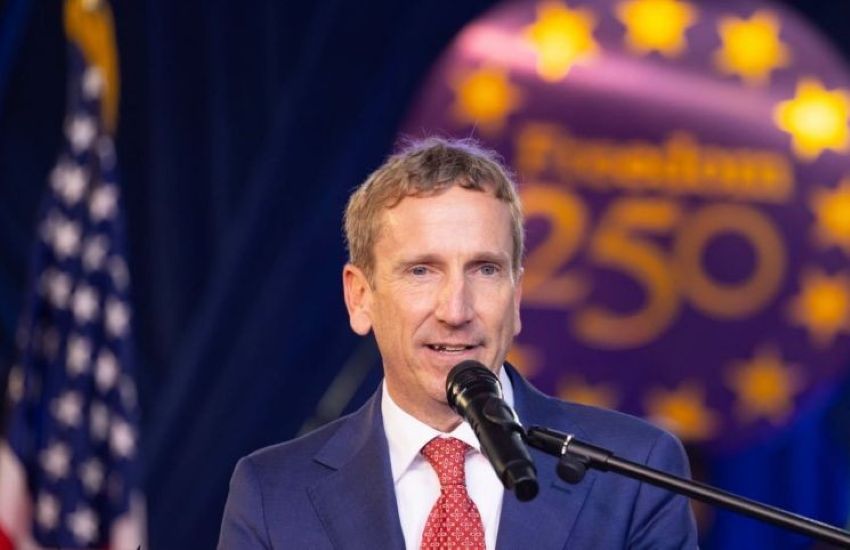
Libreville, August 13, 2026 — The nomination of career diplomat Keith Heffern as the next U.S. Ambassador to Gabon marks a pivotal moment in Washington’s renewed engagement with Central Africa under the Trump administration. The White House formally submitted his candidacy to the U.S. Senate on August 7, 2026, setting the stage for a potential restoration of full diplomatic representation in Libreville.
The position has been held by a chargé d’affaires, Susan N’Garnim, since January 2026, following the recall of the previous ambassador. While Heffern’s appointment is not yet finalized—pending Senate confirmation—his selection underscores a strategic preference for seasoned diplomats with deep regional expertise.
Diplomatic Reengagement with Central Africa
Heffern’s nomination is part of a broader wave of U.S. ambassadorial appointments across Africa, including Chad, Madagascar, the Comoros, Togo, Mauritania, Benin, Malawi, and Cabo Verde. Unlike political appointees, these selections prioritize career diplomats, signaling a shift toward sustained, institutional engagement over ad hoc diplomatic missions.
For Gabon, this move carries particular weight. Libreville has operated without a permanent U.S. ambassador since early 2026, despite the country’s strategic importance in the Gulf of Guinea and its rich natural resources. Analysts view Heffern’s potential confirmation as more than a procedural step—it could reopen channels for deeper economic, security, and environmental cooperation.
Economic and Strategic Implications
Gabon’s significance to Washington extends beyond traditional diplomacy. The country is a key player in the Congo Basin, a hub for mineral and timber exports, and a critical node in Gulf of Guinea maritime security. Earlier this year, the Trump administration reinstated Gabon’s eligibility for the African Growth and Opportunity Act (AGOA), a move that could further incentivize trade and investment ties.
With global powers like China, Russia, and Turkey expanding their influence in Africa, the U.S. appears determined to counterbalance these trends by reinforcing its diplomatic footprint. Libreville, in turn, stands to benefit from diversified partnerships and increased foreign direct investment—provided Heffern’s tenure translates into tangible outcomes.
What’s Next for the Nomination?
The Senate Foreign Relations Committee will now scrutinize Heffern’s credentials, a process that could take weeks or months. Until then, he remains a nominee, not an ambassador. Yet the message from Washington is clear: Gabon is a priority in America’s recalibrated Africa strategy.
Should the Senate confirm his appointment, Heffern will return to a familiar posting—but one reshaped by geopolitical rivalries, economic competition, and Gabon’s own ambitions to strengthen its global standing. His role could prove decisive in shaping a relationship that has long been defined by untapped potential.