Global hunger hotspots: UN warns of extreme food crisis
Gaza, Haiti, Sudan, South Sudan, and Mali have been identified as maximum alert zones, facing the most critical risk of food insecurity for their populations. The United Nations issued a stark warning on Monday, emphasizing the urgent need for international attention in these regions.
Without a swift and substantial humanitarian response, populations in these five critical global hunger hotspots face extreme food deprivation, and the imminent threat of famine and widespread fatalities in the coming months, according to a collaborative report from the Food and Agriculture Organization (FAO) and the World Food Programme (WFP).
“This report serves as a red alert. We have clear data on where hunger is escalating and who is most vulnerable,” stated Cindy McCain, Executive Director of the World Food Programme.
These devastating crises are compounded by escalating access restrictions and severe funding shortfalls.
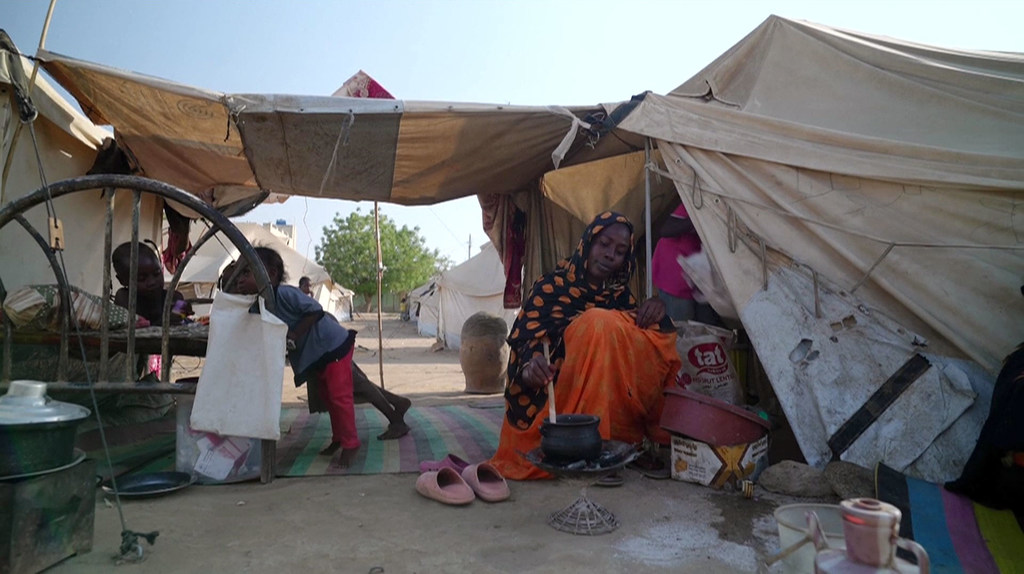
Gaza and Sudan: areas of profound concern
In Sudan, famine has been a confirmed reality since 2024. The UN anticipates this dire situation will persist, fueled by ongoing conflict and widespread population displacement, particularly evident in the Grand Kordofan and Grand Darfur regions.
An estimated 24.6 million individuals are projected to face crisis-level or worse acute food insecurity, with 637,000 enduring catastrophic conditions by May 2025.
The likelihood of famine in Gaza is escalating as large-scale military operations severely impede the delivery of essential humanitarian aid, including food and other vital supplies.
The entire population of the Palestinian enclave, totaling 2.1 million people, is expected to confront crisis-level or worse acute food insecurity, with 470,000 individuals predicted to face catastrophic circumstances by September 2025.
Catastrophic levels of food insecurity in Haiti
In South Sudan, the confirmed risk of famine across two regions paints a grim outlook for this East African nation.
Approximately 7.7 million people, representing 57% of the population, are expected to experience high levels of acute food insecurity between April and July 2025, with 63,000 individuals facing catastrophic acute food insecurity.
Haiti is grappling with unprecedented levels of gang violence and insecurity, which are displacing communities and crippling access to vital aid. Over 8,400 internally displaced persons are already experiencing catastrophic acute food insecurity in the metropolitan area of Port-au-Prince, a situation projected to worsen by June 2025.
Mounting concerns in Mali
Meanwhile, in Mali, soaring cereal prices and persistent conflict are eroding the resilience of the most vulnerable households, particularly within conflict-affected zones. Around 2,600 people are at risk of catastrophic food insecurity between June and August 2025 if timely assistance is not provided.
Beyond these most critical global hunger hotspots, Yemen, the Democratic Republic of Congo, Myanmar, and Nigeria are now classified as highly concerning areas, demanding immediate attention to safeguard lives and livelihoods. Additional hotspots include Burkina Faso, Chad, Somalia, and Syria.
“This report unequivocally demonstrates that hunger is not a distant threat; it is an everyday emergency for millions,” emphasized Qu Dongyu, Director-General of the FAO.
“We must act decisively and collectively to save lives and protect livelihoods now.”
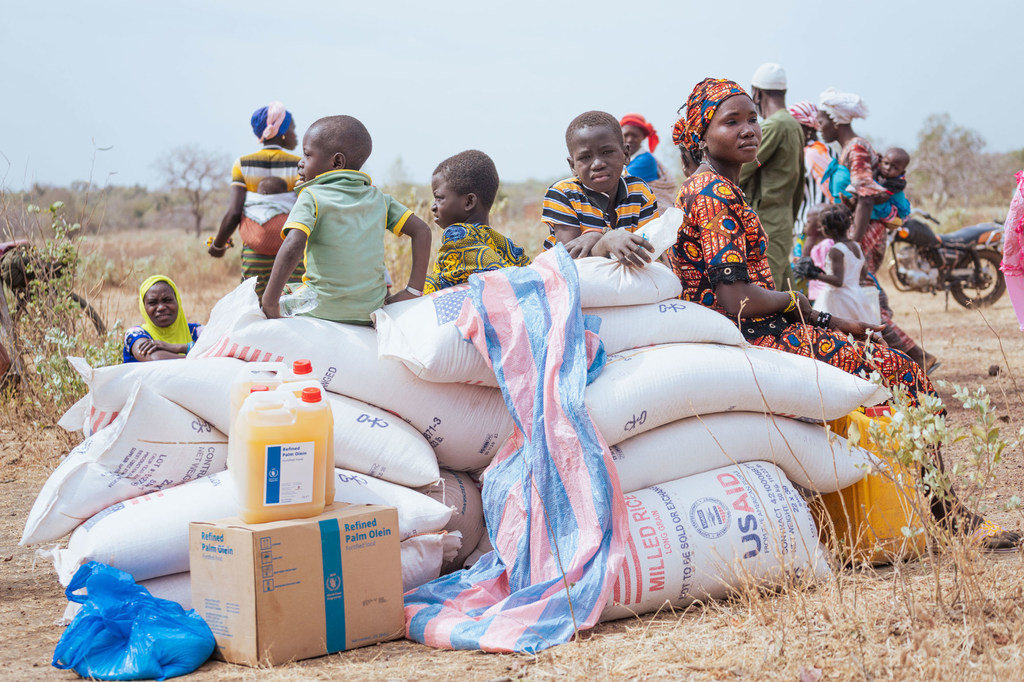
Progress amid funding challenges
In a positive development, Ethiopia, Kenya, Lebanon, Lesotho, Malawi, Mozambique, Namibia, Niger, Zambia, and Zimbabwe have been removed from the list of global hunger hotspots.
This improvement is attributed to enhanced climatic conditions for harvests and a reduction in extreme weather events across East and Southern Africa, as well as Niger. Lebanon’s removal follows a decrease in the intensity of military operations within the country.
However, the overall worsening of food insecurity in various parts of the world occurs against a backdrop of severe funding deficits, which are forcing reductions in food rations and thereby limiting the scope of crucial nutrition and agricultural interventions.
“We possess the necessary tools and expertise to respond effectively, but without adequate funding and access, our ability to save lives is severely hampered. Urgent and sustained investment in food aid and recovery support is paramount, as the window to avert another devastating famine is rapidly closing,” stressed Ms. McCain.