Togo’s economic paradox: modern infrastructure alongside growing deprivation
As Lomé’s political elite touts the adoption of a tailor-made fifth Republic with overwhelming public approval, the country’s economic landscape tells a starkly different story. Beneath the veneer of progress, a troubling pattern emerges: financial dependency on international donors and a widening gap between state investments and the lived realities of Togolese citizens.
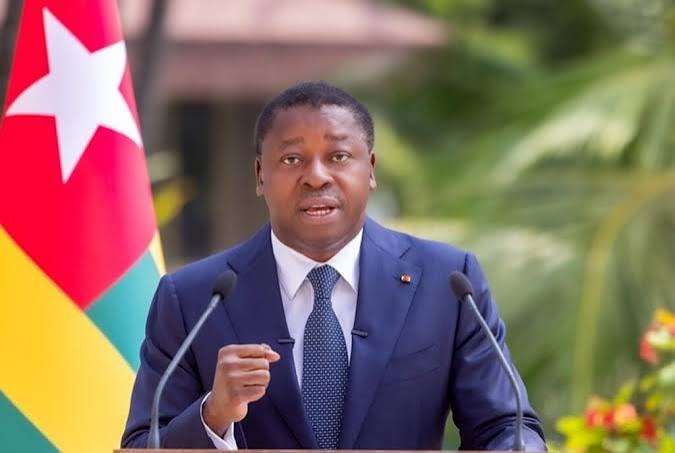
While government narratives celebrate infrastructure upgrades and macroeconomic stability, the financial bottom line reveals a troubling truth—under President Faure Gnassingbé’s tenure, the country has become a financial black hole, consuming billions without delivering tangible benefits to its people.
Billions poured in, but where’s the return?
For over two decades, regional development banks and international financial institutions have funneled staggering sums—billions in CFA francs—into repeated rounds of modernization projects. Yet, the promised dividends remain elusive. The gleaming port of Lomé may serve as a national showcase, but the actual boost to state revenue and debt reduction falls far short of expectations.
The following issues underscore the depth of the challenge:
- Predatory debt servicing: A disproportionate share of national resources is swallowed by debt repayments, leaving little room for productive investment in key sectors.
- Overhyped projects: Grand infrastructure announcements rarely translate into sustainable job creation or meaningful industrial growth.
As one regional economist noted, “International partners continue to fund Lomé primarily for strategic and security reasons, but when it comes to financial prudence and efficient public spending, the balance sheet simply doesn’t add up.”
The widening chasm of inequality
While state coffers hemorrhage under the weight of debt and underperforming projects, ordinary citizens bear the brunt of the consequences. Across markets in Lomé and rural areas like the Savanes region, the cost of living has surged, eroding purchasing power with every passing month.
The combination of persistent inflation, heavy tax burdens on informal traders, and a scarcity of economic opportunities has pushed essential goods—food, medicine, and electricity—out of reach for an increasing number of households. What was once a staple now feels like a privilege for many Togolese families.
Behind the shift toward a parliamentary system and institutional reorganization lies a more cynical agenda: consolidating power within the ruling elite while evading accountability for past financial mismanagement.