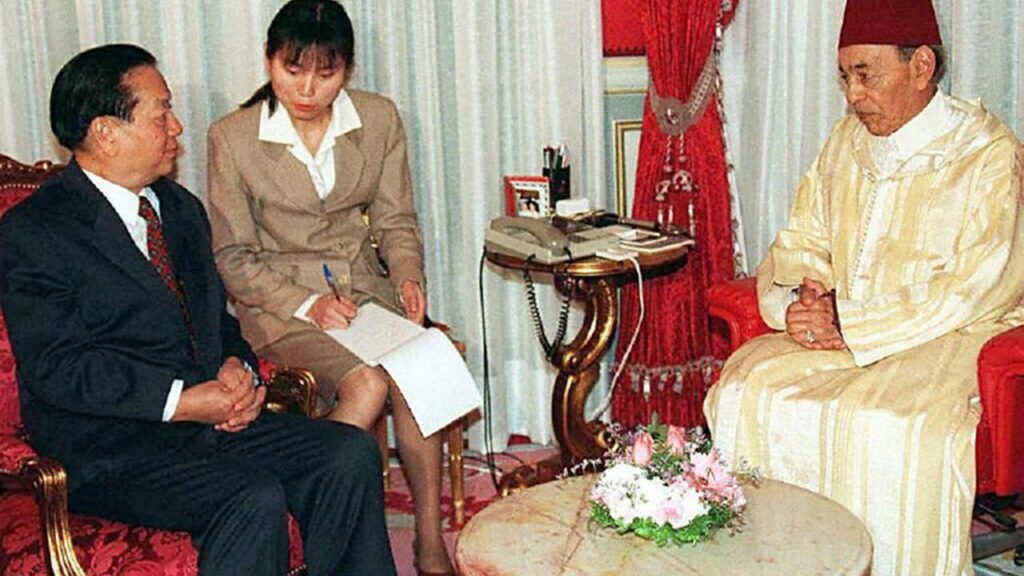

A lasting legacy: how Hassan II shaped Morocco’s ties with China
From Hassan II’s historic address at the UN in 1960 to Crown Prince Moulay Hassan’s welcoming gesture for Xi Jinping in Casablanca in 2024, the Sino-Moroccan relationship has been built on unwavering loyalty and powerful symbolism. A defining moment came when Mohammed VI visited Beijing in 2016, exactly a decade ago, launching a strategic partnership that continues to shape both nations’ futures.
The 1960 UN address that set the tone for decades
In 1960, King Hassan II delivered a landmark speech at the United Nations that resonated far beyond the assembly hall. His words laid the groundwork for Morocco’s independent foreign policy and opened diplomatic doors to emerging global players, including China. This visionary move signaled Rabat’s willingness to engage with nations beyond traditional alliances, a decision that would prove pivotal in the decades to come.
From symbolic gestures to strategic partnership
Decades later, the warmth of Morocco-China relations was on full display when Crown Prince Moulay Hassan welcomed Chinese President Xi Jinping in Casablanca in November 2024. The image of the two leaders shaking hands, framed against Morocco’s economic ambitions, underscored the depth of their bilateral ties. This meeting was more than a diplomatic formality—it was a reaffirmation of a partnership built on mutual respect and shared growth.
The Beijing summit of 2016: a turning point
The year 2016 marked a watershed moment in Morocco-China relations. King Mohammed VI’s state visit to Beijing in May of that year catalyzed a new chapter in cooperation. The two nations inked agreements spanning trade, infrastructure, and technology, signaling the launch of a comprehensive strategic partnership. This alliance has since become a cornerstone of Morocco’s economic and diplomatic strategy, driving investments and fostering innovation.
- Trade expansion: Bilateral trade volume surged from $4 billion in 2015 to over $6 billion by 2023, with Morocco exporting phosphates and importing Chinese machinery and consumer goods.
- Infrastructure development: Chinese firms played a pivotal role in projects like the Tanger Med port expansion and the Noor Ouarzazate solar plant, boosting Morocco’s renewable energy sector.
- Technology transfer: Collaborations in 5G, AI, and smart cities have positioned Morocco as a regional tech hub.
Why Hassan II’s legacy endures in modern diplomacy
Hassan II’s foresight in 1960 set a precedent that continues to guide Morocco’s foreign policy today. His willingness to engage with a rising China, long before Western powers took notice, demonstrated a rare diplomatic acumen. Today, that early engagement has blossomed into a robust partnership that benefits both nations economically and strategically.
As Morocco strengthens its position in Africa and beyond, the lessons of Hassan II’s era remain clear: bold diplomacy and strategic foresight are the pillars of enduring international alliances.