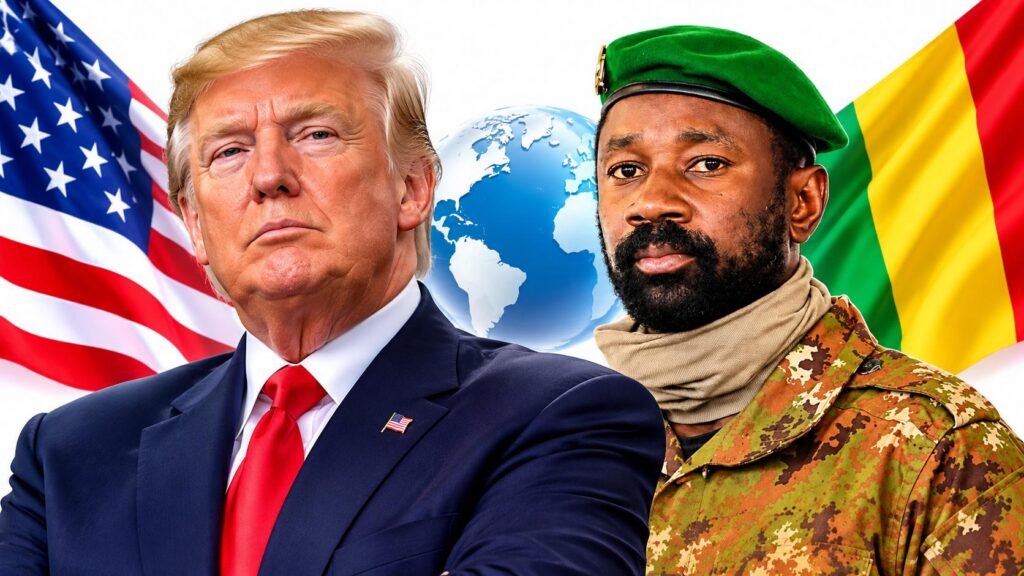
In a decisive shift that has caught observers off guard, the capitals of the Alliance of Sahel States (AES) have quietly opened a pragmatic channel with Washington, even as they loudly proclaim a radical ideological break from traditional Western powers. The turning point? A massive financial influx: $410 million (roughly €370 million) earmarked by the U.S. administration to outsource migrant processing to third countries. This is the breakthrough that is redefining the Sahel’s geopolitical momentum.
A financial lifeline in a time of isolation
Since transitional governments took power in Mali, Niger, and Burkina Faso, access to traditional lenders like the European Union and the World Bank has become increasingly strained. Past financial sanctions have drained public coffers, leaving the AES economies gasping for foreign currency.
Enter the U.S. program that promises a total of $410 million to countries in Africa and Latin America willing to host or process migrants expelled from the United States. For the cash-strapped AES treasuries—burdened by massive military spending and a shortage of hard currency—the temptation to capture a share of this windfall outweighs any anti-Western ideological reservations. It is a timely reprieve that could alter the trajectory of the region’s financial isolation.
The lucrative precedent of diplomatic subcontracting
Washington’s checkbook diplomacy is hardly new. Deals involving dozens of millions of dollars have already been struck with several African nations, including Cameroon, the DRC, and Eswatini, to manage migrant transfers. For AES capitals, this model offers a triple strategic advantage:
- Direct budgetary relief: Access to direct or indirect funding through specialized agencies can cover logistics and infrastructure equipment, easing immediate fiscal pressures.
- A diplomatic bargaining chip: By positioning themselves as indispensable partners on global security and migration control, these regimes can leverage their role to extract further concessions from Washington.
- Hard currency inflows: The program provides a rare source of foreign exchange, crucial for stabilizing economies under strain.
Sovereignty rhetoric vs. monetary pragmatism
The AES’s official narrative champions regained sovereignty and a clean break from foreign interference. Yet the posture adopted toward Washington’s overtures reveals the limits of a strict independence line. While American and European military presences are expelled from the Sahel in the name of national dignity, the doors remain wide open for bilateral talks with Washington over contracts worth hundreds of millions of dollars.
This double standard proves that “monetary pragmatism” prevails once the sums involved reach a critical threshold. The allure of the $410 million U.S. migration outsourcing program demonstrates that economic realism remains the ultimate arbiter of alliances in the Sahel. Far from slogans of total rupture, the maintenance of a pragmatic proximity between the AES and Washington confirms that the pursuit of financial liquidity is the true driver of geopolitical realignments in the region. The momentum has shifted decisively toward deal-making over dogma.