Tchad: modernising transport networks for economic growth after 66 years of independence
The vast expanse of the Tchad stretches across 1.28 million square kilometres, yet its potential for economic transformation remains constrained by an outdated and fragmented transport network. Six decades after gaining independence, the nation stands at a crossroads: the time has come to revolutionise intercity mobility to unlock trade, connect communities and drive sustainable development.
From isolated travel to national connectivity
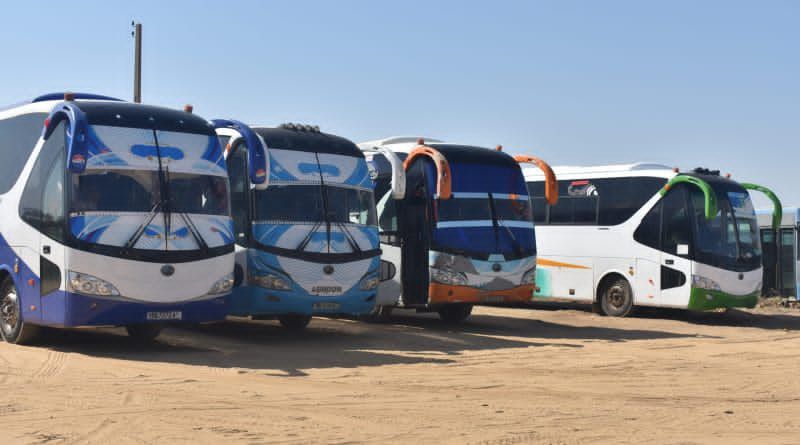
The backbone of Chad’s mobility today is still the road network. Yet, despite its critical role, the system is plagued by inconsistencies in service, lack of regulation and limited infrastructure. Travelling from N’Djamena to Moundou, Sarh or even Abéché often means enduring unpredictable schedules, inconsistent vehicle conditions and long, gruelling journeys. The absence of a structured intercity transport system has left citizens and businesses alike grappling with inefficiencies that stifle growth.
In response, the government has placed transport modernisation at the heart of its 2026 development agenda. The goal is clear: to transition from fragmented, informal transport services to a unified, regulated and dependable national network. This involves more than just adding buses—it requires building a fully integrated ecosystem of operators, terminals, schedules and safety standards.
Five pillars for a modern intercity transport system
A successful transformation must rest on five foundational pillars:
- Professionalised operators: Licensed companies with trained drivers, mandatory vehicle inspections and regulated pricing to ensure consistency and reliability.
- Modern terminals: Strategically located transport hubs at major city exits—N’Djamena, Moundou, Sarh, Abéché, Mongo, Faya-Largeau and Bol—serving as gateways for passengers and goods.
- Reliable schedules: Fixed departure times, real-time tracking and digital ticketing platforms to eliminate uncertainty and build trust in public transport.
- Safety and regulation: Mandatory insurance, traffic monitoring and adherence to national transport laws to reduce accidents and improve passenger confidence.
- Accessible fares: Transparent pricing that reflects service quality while remaining affordable for farmers, traders, students and families.
Such a system would not only improve daily life but also catalyse economic activity. Farmers in Moundou could reach N’Djamena markets faster, livestock traders could move animals efficiently to urban centres, students could attend universities without disruption, and patients could access healthcare centres without delay.
Learning from regional leaders
Chad need not reinvent the wheel. Neighbouring countries provide valuable blueprints. In Senegal, the restructuring of Dakar’s public transport through the BRT and TER systems has demonstrated how modern corridors and intermodal hubs can transform urban and intercity mobility. Meanwhile, Rwanda’s recent overhaul of its public bus network—expanding from four to seven corridors and increasing operators from three to thirteen—shows how strategic planning and investment in fleet renewal can enhance service quality and coverage.
These models highlight a critical insight: while vehicle numbers matter, the real value lies in organisation. A bus that departs on time, follows a published route and arrives safely is not just a convenience—it is an engine of progress.
Roads today, rail tomorrow
While the immediate focus must remain on upgrading the road network and professionalising intercity bus services, the long-term vision must include rail. With vast distances and heavy freight demands, Chad cannot rely solely on trucks and buses to move its economy. A phased railway development could connect key economic zones—such as the Lake Chad basin, the Sahel belt and the southern agricultural belt—to national and regional markets.
The government has already acknowledged this in its transport sector action plan. Yet, rail investment demands substantial capital and time. In the interim, prioritising all-weather roads and dependable bus services will lay the groundwork for future expansion. The synergy between improved roads and regulated transport will create a foundation strong enough to support rail integration.
A national project with local impact
At its core, this transport revolution is about more than infrastructure—it’s about people. It’s about a student from Abéché reaching her university in time for exams. It’s about a farmer in Mongo transporting harvests to urban markets. It’s about a patient in Bol accessing life-saving care in N’Djamena. It’s about a trader from Faya-Largeau connecting with supply chains across West and Central Africa.
After 66 years of independence, the question for Chad is no longer whether to modernise its transport system, but how. The answer lies in a pragmatic, phased approach: professional operators, modern terminals, digital ticketing, strict safety standards and accessible pricing. Together, these elements will transform travel from an ordeal into an opportunity—and turn the road network from a barrier into a bridge to prosperity.