Chadian leader Mahamat Idriss Déby grants pardon to Succès Masra
The Chadian head of state, Mahamat Idriss Déby Itno, has taken a significant step by granting a presidential pardon to Succès Masra, a prominent opposition figure and former transitional prime minister. This decision, announced on August 14, 2026, follows a 20-year prison sentence handed down to Masra, which he received in August 2025 for his alleged role in the Mandakao violence that claimed dozens of lives.
Legal context and implications of the pardon
The presidential pardon does not erase the legal conviction but allows for a potential reduction or suspension of the sentence. This distinction is critical, as Masra and his legal team have consistently challenged the legitimacy of the trial that led to his conviction. The pardon effectively paves the way for his release while maintaining the judicial framework of the original verdict.
The decision comes after the Chadian Supreme Court upheld Masra’s 20-year sentence in May 2026, exhausting all ordinary legal avenues. A presidential pardon became one of the few remaining mechanisms to alter the enforcement of the sentence.
Political significance and opposition leader’s profile
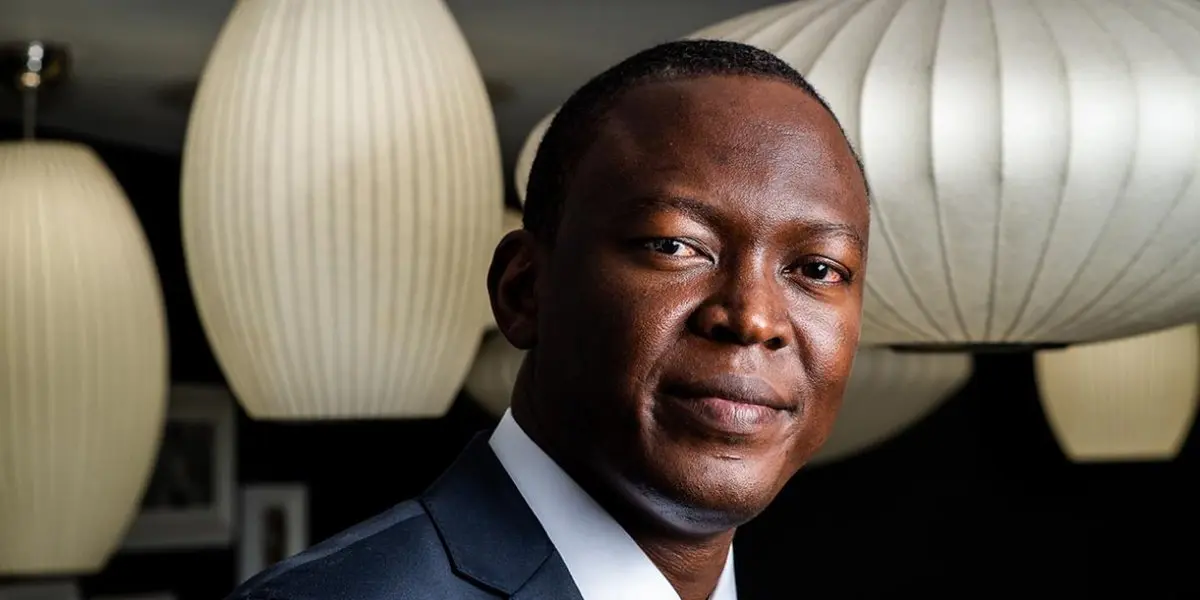
Succès Masra has long been a central figure in Chad’s opposition, challenging Mahamat Idriss Déby’s leadership both politically and legally. His arrest in May 2025 and subsequent conviction marked a turning point in the already tense relationship between the government and the opposition.
As a key figure in the *Les Transformateurs* party, Masra ran against Déby in the May 6, 2024, presidential election, securing approximately 18% of the vote compared to Déby’s over 61%. Though he contested the results, the Constitutional Council upheld them, prompting Masra to resign from his post as transitional prime minister.
Gestures of appeasement and national context
The pardon aligns with broader discussions about easing political tensions as Chad approaches its 66th independence anniversary. Reports suggest that Déby had indicated his intention to use his clemency powers in favor of several detainees, though specific beneficiaries were not immediately disclosed.
Masra’s case had been a focal point of these discussions, with political figures and organizations advocating for his release. Supporters argue that such a gesture could contribute to political détente and foster greater inclusivity in Chad’s governance.
Violence in Mandakao and legal proceedings
Masra’s conviction stemmed from his alleged involvement in the Mandakao unrest in Western Logone Province, where dozens were killed in May 2025. He was found guilty of spreading hateful and xenophobic messages and complicity in murder. The legal proceedings drew widespread attention, with critics questioning the fairness of the trial.
While the presidential pardon offers a path to freedom, it does not negate the legal consequences of the conviction. This nuance underscores the complex interplay between justice, clemency, and political reconciliation in Chad’s evolving landscape.