Across sub-Saharan Africa, speaking out against political leaders or questioning their authority can lead to imprisonment—or worse. Over the past decades, many governments have shifted toward authoritarian rule, stifling free speech, suppressing dissent, and manipulating elections to the point where democratic processes are nearly unrecognizable.
the erosion of democracy in africa
Out of 55 African nations, roughly ten are classified as closed autocracies, while 26 operate as electoral autocracies, according to the Varieties of Democracy (V-Dem) Institute. Their 2026 report paints a stark picture: global democracy has regressed to levels last seen in 1978, erasing much of the progress made since the 1974 Portuguese Carnation Revolution, which inspired democratic movements worldwide.
While Western Europe and North America also face democratic decline—primarily driven by rising autocratization in the United States—Africa’s situation remains particularly alarming. The continent’s democratic gains from 25 years ago, once hailed as a beacon of hope, have been systematically dismantled.
By late 2025, the world counted 92 autocracies compared to 87 democracies, with 74% of the global population (6 billion people) living under authoritarian rule and only 7% (0.6 billion) in liberal democracies. The trend is clear: freedom of expression has weakened in 44 countries, political repression through torture persists in many, and 33 nations have seen significant democratic backsliding.
The V-Dem Institute identifies three disturbing patterns: democratic decline in traditionally stable nations, collapse of fledgling democracies that emerged after 1990, and deepening autocracy in already authoritarian states.
sub-saharan africa: a stronghold of authoritarianism
In sub-Saharan Africa, democracy has regressed to early 2000s levels, marked by a surge in military coups—especially in the Sahel—and the consolidation of autocratic regimes in countries like the Central African Republic, Mozambique, and Togo.
Today, 66% of the region’s population lives under outright autocracies. An additional 48% reside in electoral autocracies such as Ethiopia, Tanzania, and Uganda, while 14% are trapped in closed autocracies. Only 10% live in electoral democracies like Botswana, Ghana, and South Africa, and 24% in “gray zone” democracies such as Kenya and Nigeria.
the top 10 most authoritarian regimes in sub-saharan africa
1. Eritrea
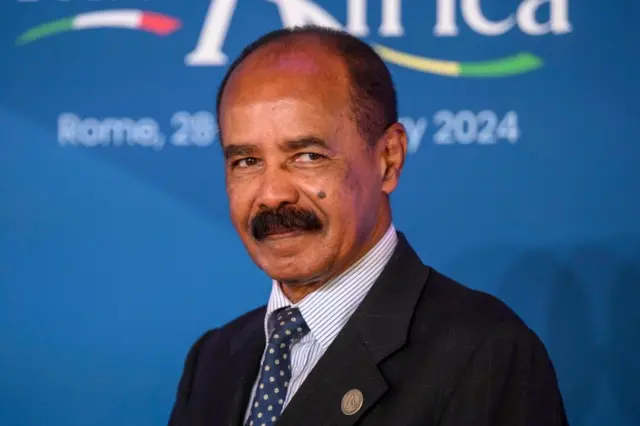
After a brief period of openness in the mid-1990s—marked by independent newspapers and electoral preparations—Eritrea abruptly reversed course in September 2001. State authorities shut down all independent media, arrested journalists, and detained 11 prominent figures, including three former foreign ministers and a former army chief. Known as the G-15, their fate remains unknown. Since then, President Isaias Afwerki has never held elections, solidifying Eritrea as one of Africa’s most repressive regimes.
2. Burkina Faso
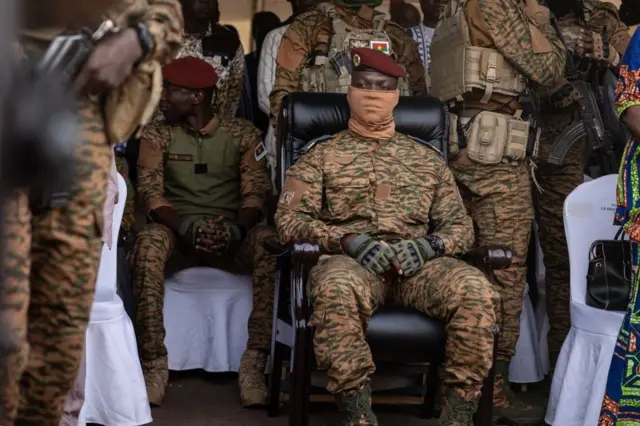
Since seizing power in September 2022, Captain Ibrahim Traoré has made no secret of his contempt for democracy. His regime has banned independent media, expelled foreign journalists, and dismantled institutions. In October 2025, the National Independent Electoral Commission was dissolved, followed by the ban on all political parties in February 2026. In a televised address, Traoré declared, “We must forget about democracy. Democracy is not for us.” Critics and opposition figures face intimidation, arbitrary detention, and forced conscription into military operations.
3. Mali
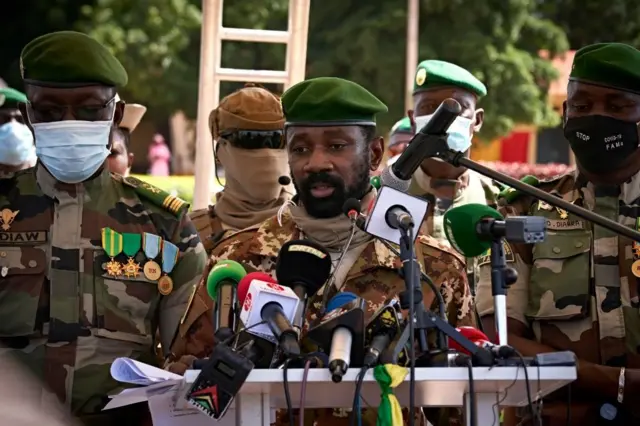
Mali once stood as a democratic model in West Africa after overthrowing dictator Moussa Traoré in 1991. Following a transition led by Amadou Toumani Touré, the country held pluralistic elections that brought Alpha Oumar Konaré to power. For years, Mali was celebrated as a success story. But after two military coups in 2020 and 2021, the democratic experiment has collapsed. Political parties have been banned, civil society silenced, and critics exiled. The junta, citing a fight against jihadist groups, has abandoned its pledge for a four-year transition, offering no clear path back to constitutional rule.
4. Niger
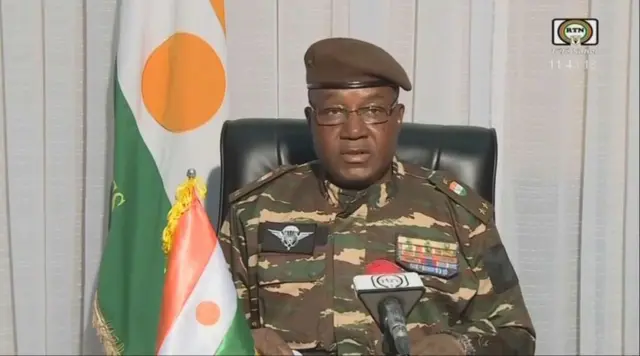
After transitioning from single-party rule to multiparty democracy in the 1990s, Niger experienced civilian leadership for over a decade. Mahamadou Issoufou won elections in 2011 and 2016, reinforcing democratic norms. But in 2023, soldiers overthrew President Mohamed Bazoum, reversing progress. The new military regime has banned political parties, suspended elections indefinitely, and suppressed dissent, rolling back years of democratic gains.
5. south Sudan
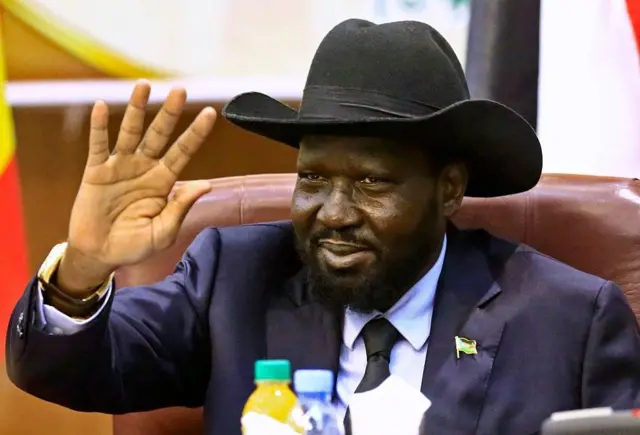
Since gaining independence from Sudan in July 2011, South Sudan has been governed by a single party, the Sudan People’s Liberation Movement (SPLM), under President Salva Kiir. The civil war that erupted in 2013 pitted Kiir against his former deputy, Riek Machar, further entrenching one-party rule. With no elections held since independence, democracy remains a distant dream for South Sudanese citizens.
6. Sudan
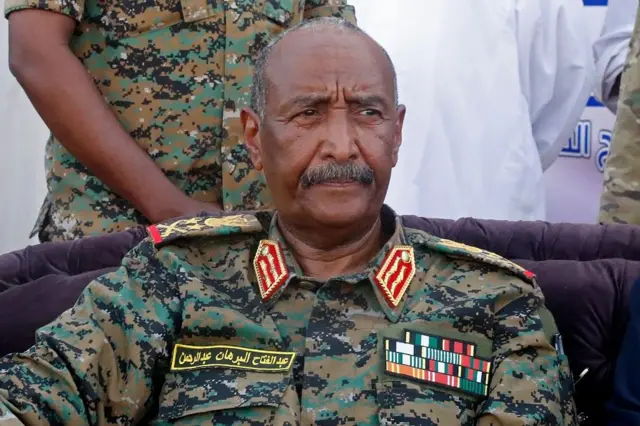
Under the leadership of General Abdel Fattah al-Burhan, Sudan has been ravaged by a brutal civil war opposing government forces against the Rapid Support Forces (RSF), a paramilitary group. Human rights organizations report widespread massacres and atrocities committed with impunity. With the military in control and no elections in sight, Sudan’s democratic prospects continue to fade.
7. Somalia
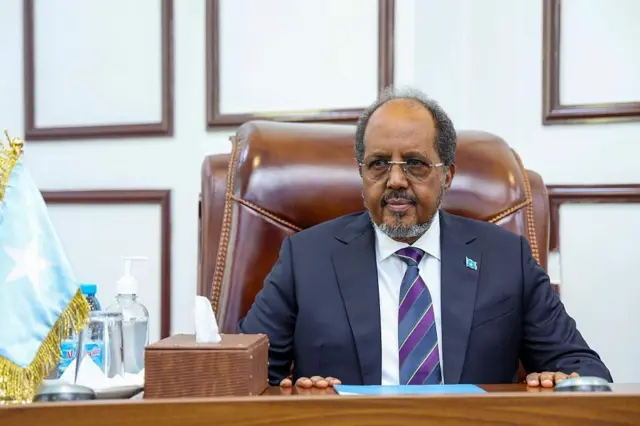
Since Siad Barre seized power in a 1969 coup, Somalia has never held free elections. His autocratic regime banned multiparty politics, suspended the constitution, and plunged the country into civil war. Recent efforts to restore democracy through universal suffrage and multiparty elections offer cautious hope, but long-standing instability continues to obstruct meaningful progress.
8. republic of Guinea
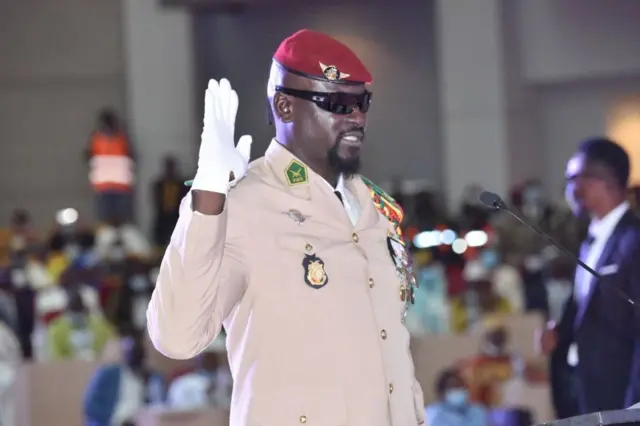
General Mamady Doumbouya seized power in a 2021 coup and cemented an authoritarian grip through elections in December 2025 and May 2026. Despite claiming 86.72% of the vote, his victory was marred by the exclusion of key opposition leaders. Civil society groups report shrinking civic space, media censorship, and restrictions on protests. Several political parties have been suspended, and critics have faced arbitrary detention and suspicious deaths in custody.
9. eswatini
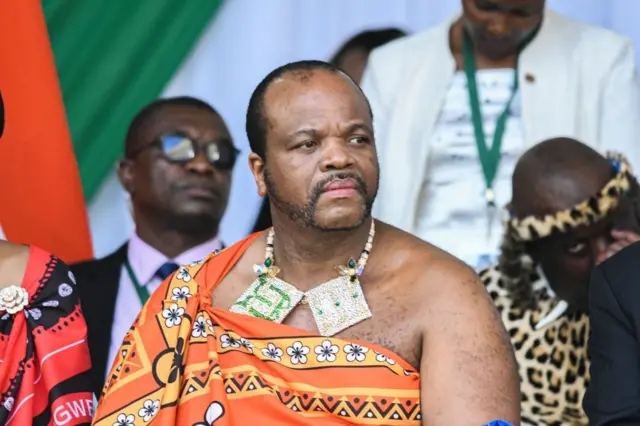
As Africa’s last absolute monarchy, Eswatini is ruled by King Mswati III, who holds all executive, legislative, and judicial powers. Political parties have been banned since a 1973 royal decree, and 10 of the 69 parliamentary seats are appointed directly by the monarch. Critics argue the system is not an election but a selection process controlled by royalists, leaving no space for political pluralism.
10. Guinea-bissau
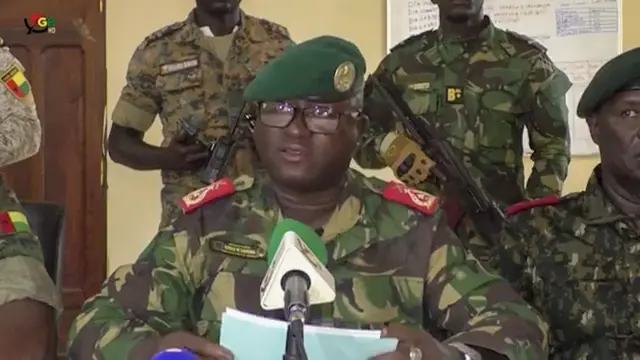
Guinea-Bissau has long struggled with political instability. In November 2025, as vote counting began in a closely contested presidential election, soldiers intervened and overthrew President Umaro Sissoco Embaló. The former leader publicly confirmed his removal, raising concerns over the erosion of fundamental freedoms and the future of political pluralism. Even before the coup, Embaló’s governance was widely criticized as authoritarian by opposition figures and civil society organizations.