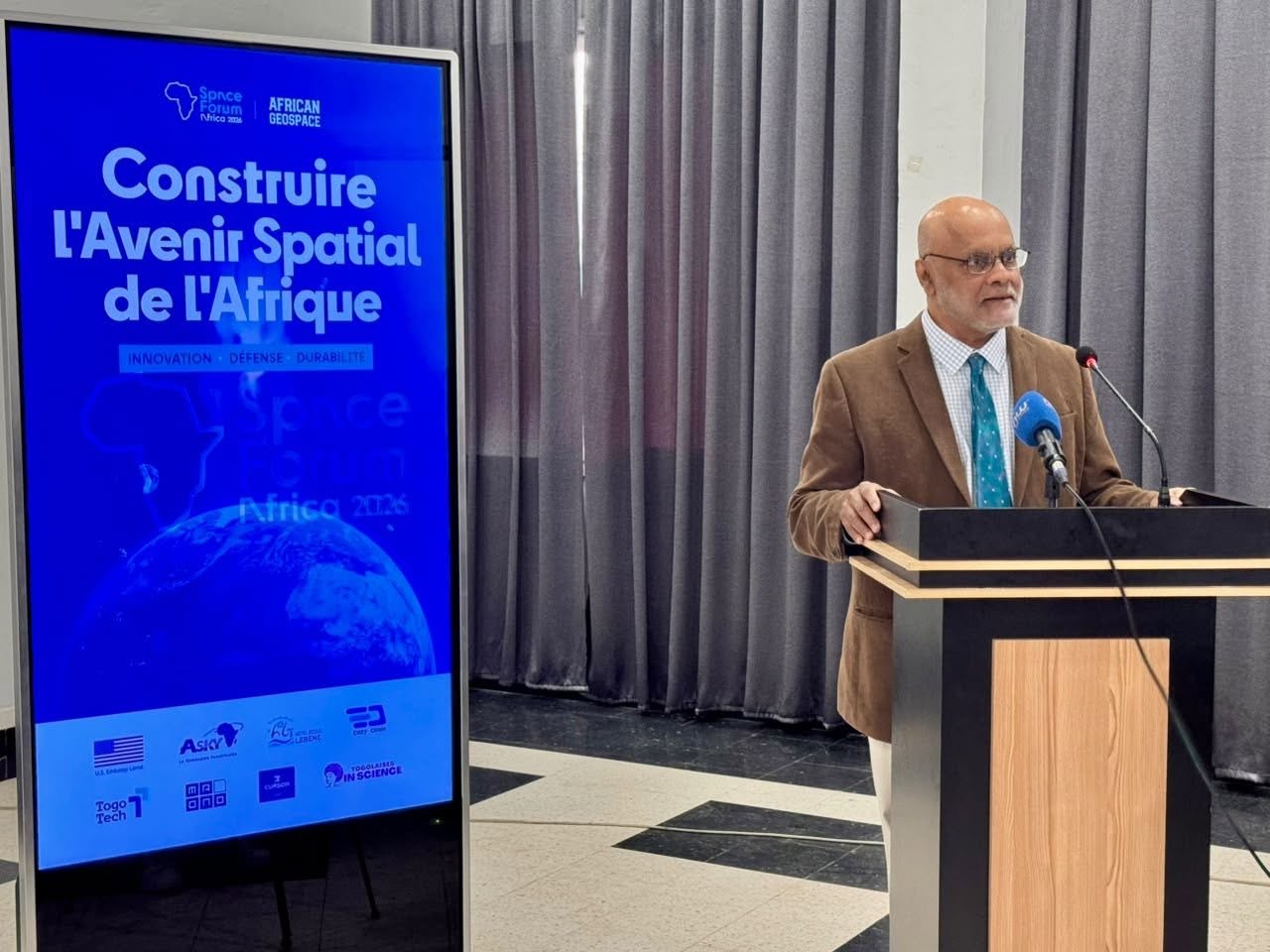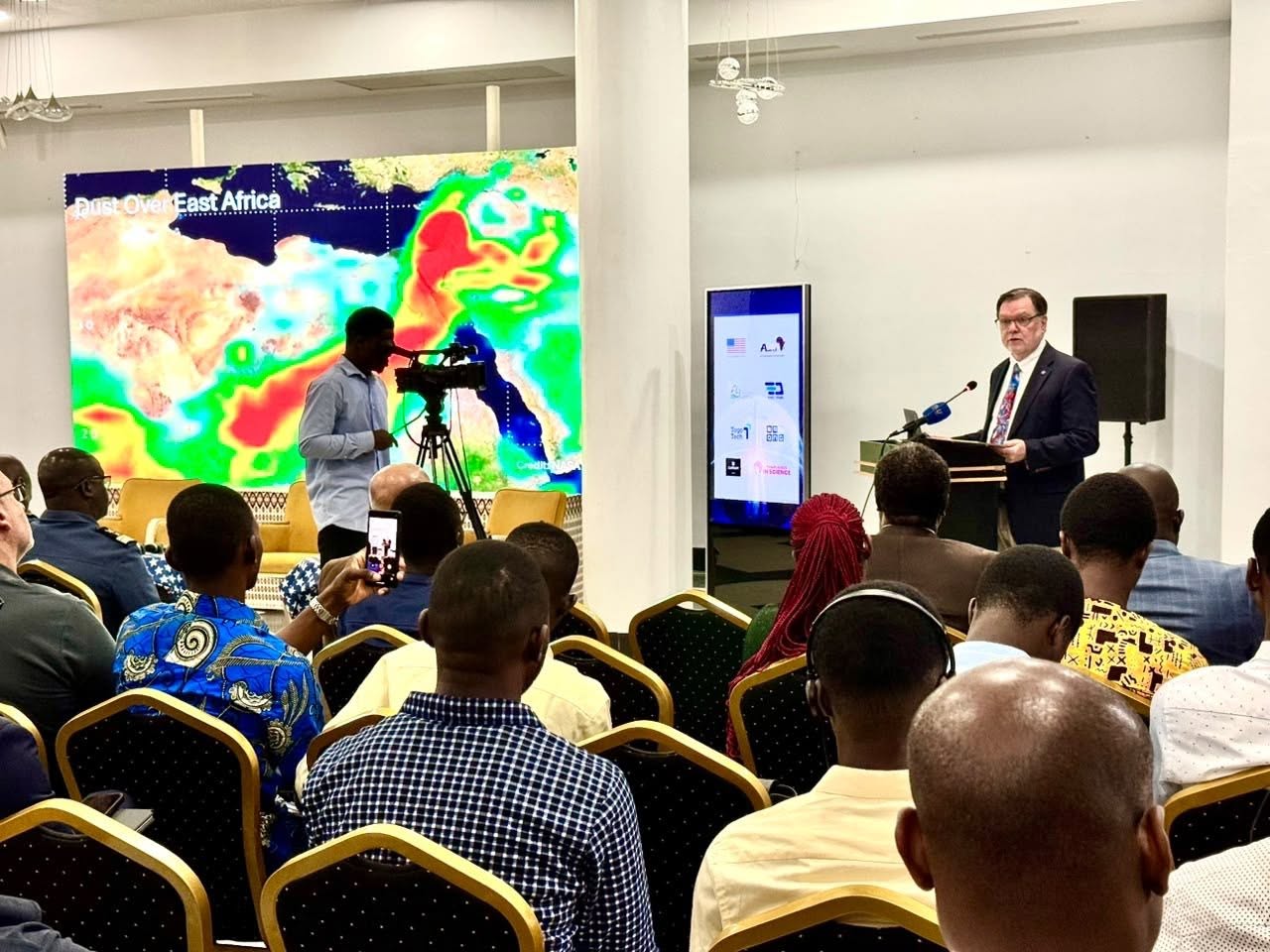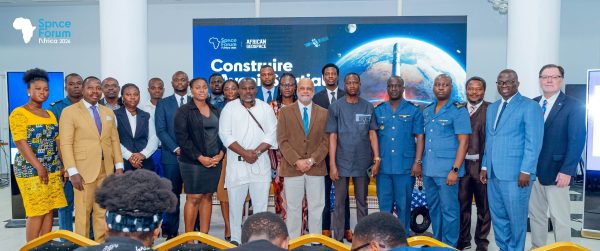
From agriculture to disaster resilience, the Space Forum Africa 2026 in Lomé shifted the conversation on July 28–30. Government leaders, scientists, investors, and entrepreneurs gathered not to debate whether Africa should engage with space, but to explore how space technologies can directly solve pressing continental challenges.
For decades, Africa’s space ambitions focused on launching satellites or funding scientific programs. This year’s forum in Togo marked a turning point: the discussion centered on practical applications—how orbital data can boost crop yields, strengthen early warning systems, enhance communications, and unlock new economic opportunities.
From observation to action: turning satellite data into ground-level solutions
One of the most significant takeaways was the shift from seeing space as a realm of distant scientific achievement to recognizing it as a tool for immediate, on-the-ground impact. Satellite imagery and remote sensing are no longer reserved for elite researchers—they are becoming accessible to farmers, urban planners, and policymakers.
For African economies grappling with climate variability, resource scarcity, and infrastructural gaps, these technologies offer a critical advantage. Real-time data on weather patterns, land use, and resource distribution can inform decisions that save lives, reduce waste, and optimize production. The real frontier isn’t just in orbit—it’s in how those insights are applied across sectors.
This transformation also presents an opportunity for African tech startups. As satellite data becomes more integrated into agriculture, logistics, and climate monitoring, local innovators can develop tailored solutions that address specific regional needs—creating jobs and fostering self-reliance rather than dependency on imported technology.
Jim Adams and the NASA legacy shaping Africa’s space future
The U.S. Embassy in Lomé invited Jim Adams, a veteran NASA scientist with over 40 years of experience in space exploration and satellite technology, to share insights from the agency’s own evolution. His presence underscored a key theme: the future of Africa’s space sector lies not in replication, but in adaptation.
Adams highlighted how NASA’s decades of satellite applications—from precision agriculture to climate resilience—can serve as a blueprint for African innovators. Yet, he also posed a critical question: Who will build the next generation of space technologies for Africa—and who will profit from them? The answer, he suggested, depends on collaboration between African entrepreneurs, international partners, and policymakers committed to localizing innovation.
Bridging ecosystems: how diplomacy and business are fueling Africa’s space economy
The forum wasn’t just a scientific gathering—it was a marketplace of ideas between African startups and U.S.-based space companies. The exchanges emphasized that Africa’s space economy won’t grow through isolated efforts; it will thrive through partnerships that blend expertise, investment, and shared goals.
For African entrepreneurs, the challenge is clear: move beyond being consumers of foreign technology and become creators of homegrown solutions. For international partners, the opportunity is equally compelling—access to untapped talent, emerging markets, and a chance to co-develop technologies that address Africa’s unique challenges.
This dynamic reflects a broader shift in global space cooperation: from aid-based models to mutually beneficial collaborations where Africa is seen not as a recipient, but as a leader in innovation.
The invisible infrastructure: how space is quietly transforming Africa
Imagine a farmer in Burkina Faso receiving early alerts about drought conditions via satellite data, allowing them to adjust planting schedules. Or a logistics company in Kenya using orbital imagery to optimize delivery routes through flood-prone regions. These aren’t futuristic scenarios—they’re realities taking shape today.
Space is becoming Africa’s invisible infrastructure, a silent yet powerful enabler of economic growth, resilience, and social progress. The Space Forum Africa 2026 made one thing undeniable: the continent is no longer asking if it can leverage space technologies—it’s determining how to integrate them into every facet of development.
The forum’s message was clear: the next chapter of Africa’s space journey won’t be defined by who launches the most satellites, but by who turns orbital data into actionable solutions that reach the people who need them most.
A 250-year vision: why the U.S. is betting on Africa’s space potential
The U.S. Embassy’s support for the forum aligns with a broader strategy—one that views Africa not as a distant participant in the global space economy, but as a key partner in shaping its future. As the U.S. marks 250 years of innovation, its engagement in Lomé signals a commitment to peaceful, collaborative space exploration.
The real milestone won’t be measured in rocket launches, but in the number of African innovators who turn satellite data into businesses, researchers who pioneer homegrown solutions, and policymakers who create environments where these technologies can flourish. In Lomé, the sky wasn’t just the limit—it became a blueprint for progress.