In a decisive diplomatic move, Senegal has taken the lead in resolving Guinea-Bissau’s institutional deadlock. A high-level ministerial delegation, dispatched by Dakar, engaged with military authorities in Bissau on Thursday to lay the groundwork for negotiations ahead of the constitutional referendum scheduled for late August.
Senegal’s strategic intervention in Guinea-Bissau’s transition
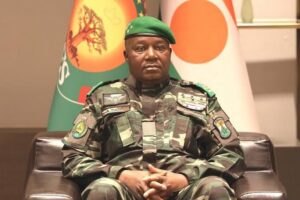
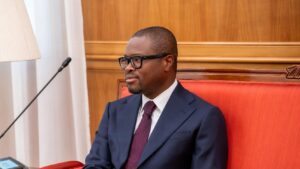
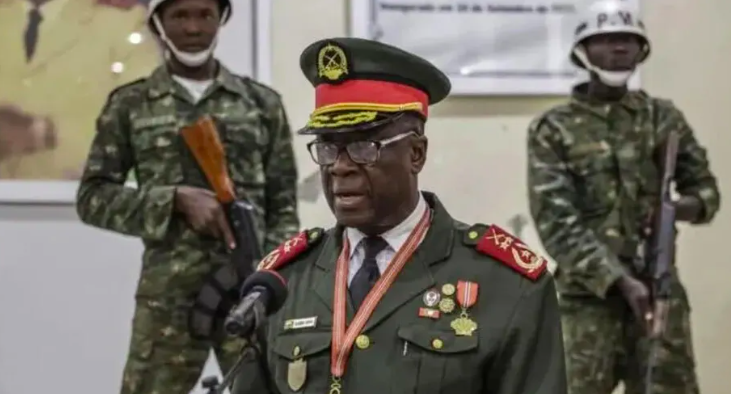
This mission marks Senegal’s first major diplomatic engagement since the Economic Community of West African States (ECOWAS) tasked it with mediating the crisis during a July summit in Freetown. The delegation, led by Foreign Minister Cheikh Niang and Defense Minister Yankoba Diémé, met with Guinea-Bissau’s transitional president, General Horta Ntam, to present a structured mediation framework.
The initiative aims to restore constitutional order and pave the way for elections, as outlined by Cheikh Niang after the meeting. The phased approach, designed to span until the electoral process, includes close consultations with Guinea-Bissau’s military leadership to ensure a smooth return to civilian governance.
Guinea-Bissau’s political crisis and transition roadmap
The mediation comes at a critical juncture for Guinea-Bissau, where a military coup on November 26, 2025, ousted President Umaro Sissoco Embalo and suspended all electoral proceedings. The transitional government has since prioritized legal reforms, culminating in a constitutional referendum set for August 30, 2026. This vote will serve as the first concrete step toward re-establishing democratic institutions, a process closely monitored by regional and international observers.
With tensions high and political paralysis gripping the country, Senegal’s intervention underscores West Africa’s commitment to stabilizing Guinea-Bissau. The success of this mediation could set a precedent for resolving similar crises across the region, reinforcing the bloc’s role in upholding democratic norms.