Senegal politics: the last two opposition leaders still active on the ground
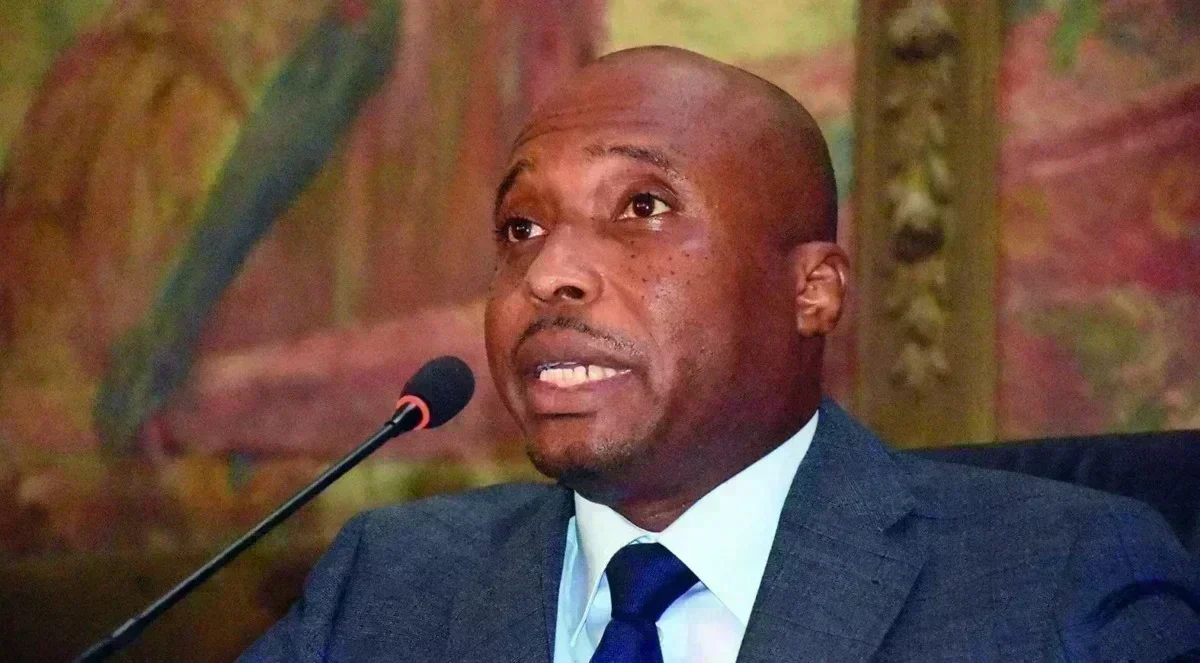
While most opposition figures in Senegal remain confined to Dakar’s political salons, two leaders stand out by taking their campaigns directly to the people.
The opposition landscape in Senegal has shifted dramatically. While many political figures remain glued to Dakar’s meeting rooms, crafting statements and issuing press releases, a select few have taken a different path. Barthélémy Dias, Maguette Sène and a handful of others are choosing to confront the realities of Senegalese politics where it truly matters: on the ground. Their approach contrasts sharply with the inaction of many peers who limit themselves to rhetorical battles.
Unlike some opposition factions—particularly those aligned with the Front pour la défense de la République et de la démocratie (FDR)—who have confined their activities to Dakar’s echo chambers, these leaders are actively engaging with citizens. Their strategy prioritizes direct interaction over detached declarations, a move that sets them apart in a political climate dominated by Ousmane Sonko and Bassirou Diomaye Faye’s rising influence.
Grassroots action: Barthélémy Dias and Maguette Sène lead the charge
Barthélémy Dias, former mayor of Malicounda, and Maguette Sène have emerged as rare voices willing to challenge the status quo through direct engagement. Sociologist Alioune Badara Kandji emphasizes the importance of this approach: “In politics, the ground is the only true measure of impact. Direct proximity to citizens fosters mutual understanding and allows leaders to grasp real concerns.”
Since launching the Sénégal Bi Ñu Bokk movement in May 2025, Dias has made grassroots politics his priority. His strategy combines international outreach, nationwide tours, membership drives and the introduction of innovative concepts like Dokh Mbokk, a philosophy centered on citizen dialogue. Over the past month alone, he has crisscrossed Senegal’s regions, culminating in intensive door-to-door campaigns across Dakar’s neighborhoods.
Maguette Sène’s coalition-building strategy gains momentum
Maguette Sène, at the helm of And Liguey Gokh Yi – La Marche des Territoires, has taken a similar path. This coalition, uniting over thirty organizations, reflects his commitment to decentralized politics. Elected as coordinator in August 2026, Sène has prioritized installing party cells across the country, focusing on tangible support for communities rather than abstract political rivalries.
Dr. Macoumba Diouf, mayor of Latmingué and coalition vice-president, underscores this vision: “Our mission is clear: stand with the people, address their challenges and meet their legitimate aspirations. There’s no value in obsessing over internal party disputes.”
Their efforts stand in stark contrast to the opposition’s traditional playbook. While many remain fixated on Dakar’s political theater, Dias and Sène are building something different: a politics rooted in service, proximity and responsiveness. Their willingness to engage directly with citizens may well redefine what effective opposition looks like in Senegal’s evolving democracy.
They are not alone in this shift. Former Prime Minister Amadou Ba, along with figures like Serigne Mboup, Mansour Faye and Moustapha Diop, occasionally appear on the political scene, though their engagement remains less intensive. Yet the message is clear: Senegal’s opposition is no longer a monolith confined to Dakar’s corridors of power.