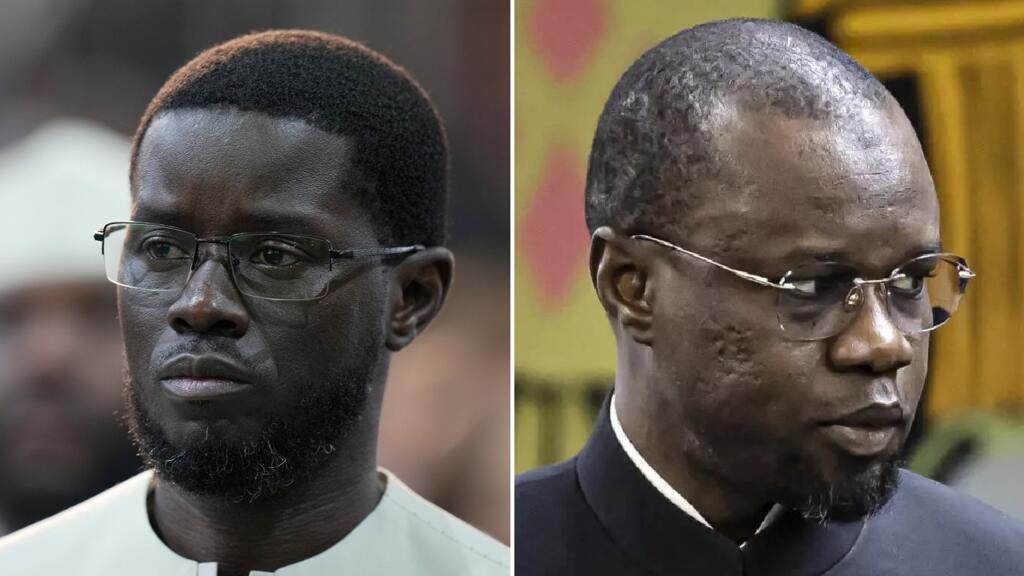
Four days after his dismissal as Senegal’s Prime Minister by President Bassirou Diomaye Faye, opposition leader Ousmane Sonko has reclaimed his seat as a deputy and, in a swift move, been elected President of the National Assembly. His first public statement emphasized a willingness to engage in dialogue with the Head of State.
From dismissal to legislative leadership
Ousmane Sonko’s political trajectory took a dramatic turn this week when he was relieved of his duties as head of government, only to resurface as a prominent figure in Senegal’s legislative branch. Hours after assuming his new role as deputy, he secured the presidency of the National Assembly, marking a significant shift in the country’s political landscape.
The election of Sonko to this key position reflects both his enduring influence within the opposition and the evolving dynamics of Senegalese politics under President Faye’s administration.
Sonko’s conciliatory tone
In his inaugural address as Assembly President, Sonko struck a tone of cooperation, expressing openness to constructive discussions with the presidency. This stance contrasts with the confrontational rhetoric that has often characterized his political career, suggesting a potential recalibration of his approach to governance.
His remarks were delivered as political analysts closely monitored the developing relationship between the executive and legislative branches, particularly given the fresh mandate voters delivered in recent elections.
Analysts weigh in on the implications
The unexpected ascent of Sonko to the Assembly’s presidency has prompted political observers to consider what this development might mean for Senegal’s future. Gilles Yabi, founder of the Wathi think tank and a respected political economist, shared insights on the potential consequences of this political realignment.
Yabi highlighted that Sonko’s new role could either foster greater collaboration between branches of government or intensify political tensions, depending on how both sides navigate this evolving relationship. The coming months will reveal whether this appointment serves as a bridge between competing visions for the country’s development.