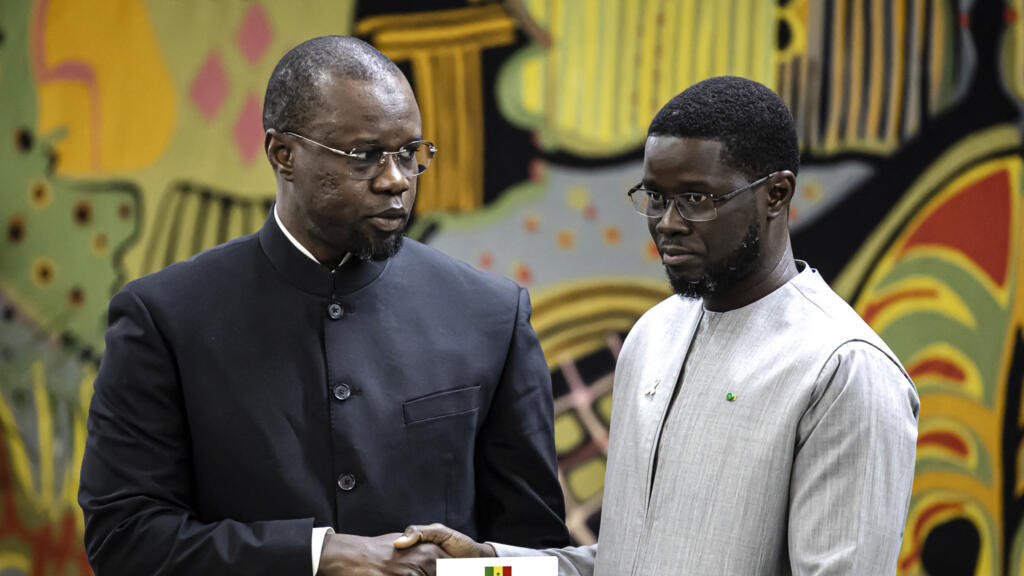
After months of escalating tensions within Senegal’s executive branch, President Bassirou Diomaye Faye has dismissed Prime Minister Ousmane Sonko. The two leaders, who rose to power together in April 2024 under the slogan “Sonko c’est Diomaye, Diomaye c’est Sonko”, have now become political adversaries. What does this unexpected breakup mean for the nation’s future? How might the coming months unfold? Your insights are valuable.
Key moments leading to the split
The collaboration between Bassirou Diomaye Faye and Ousmane Sonko marked a turning point in Senegalese politics. Their partnership, forged on a shared vision, now appears to have reached its limit. Months of public disagreements and behind-the-scenes power struggles have culminated in this decisive move by the President.
Possible scenarios following the dismissal
The political landscape in Senegal is now at a crossroads. Several potential outcomes could emerge in the coming weeks:
- Government reshuffle: President Faye may appoint a new Prime Minister, potentially from the same political bloc or reaching out to opposition figures to stabilize the administration.
- Parliamentary realignment: The National Assembly could undergo shifts in alliances, with some deputies reconsidering their support for the government.
- Early elections: If instability persists, the President might dissolve the National Assembly and call for legislative elections ahead of schedule.
- Public reaction: Civil society and opposition groups may organize demonstrations or issue statements, either supporting or opposing the decision.
What this means for Senegal’s future
The breakup between Faye and Sonko raises questions about the sustainability of the current political project. Will the President be able to maintain momentum without his former ally, or will this separation weaken the government’s ability to implement reforms? The coming weeks will be critical in defining Senegal’s trajectory.