The Africa Cup of Nations 2025 final has sparked a massive wave of indignation across the continent.
Recent reports reveal a growing backlash against the latest verdict from the Confédération africaine de football (CAF). The Egyptian side Pharco FC has declared an indefinite suspension of its participation in all CAF-sanctioned events. The club’s leadership denounced the move against Senegal as “unfair, politically influenced, and a violation of fair play.”
This sentiment is shared beyond Pharco FC, with several other teams from Égypte and Algérie supporting Senegal and considering future boycotts of continental tournaments. Prominent organizations like Mamelodi Sundowns from Afrique du Sud and Simba SC of Tanzanie have labeled the situation “disgraceful,” warning that it establishes a perilous standard for the sport in Afrique.
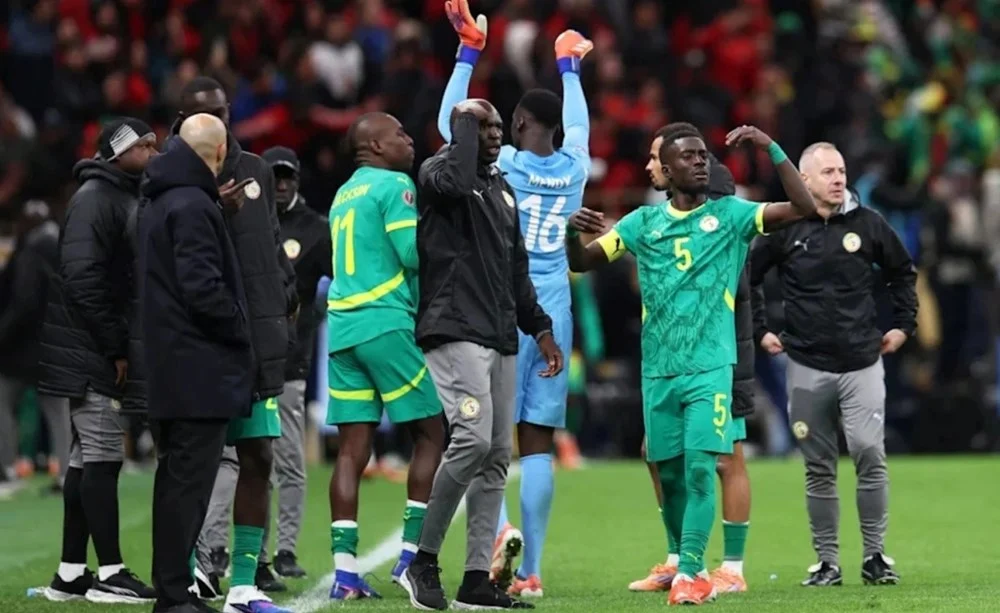
The controversial ruling that overturned the final
Initially, CAF determined that Senegal had suffered a 0-3 defeat to Morocco in the CAN 2025 final. The official reasoning claims Senegal violated competition rules by exiting the field to protest a penalty kick given to Morocco during the final moments of regulation time.
The core of the dispute lies in the fact that the match actually resumed after a ten-minute pause. The Senegal squad returned to the pitch, maintained their 1-0 lead through extra time—thanks to a strike from Pape Gueye—and celebrated their victory by lifting the trophy in Rabat on January 18.
However, following a formal complaint lodged by Morocco, CAF unexpectedly flipped the scoreline, declaring Morocco 3-0 victors and handing the championship to the host nation.
Global shock and legal challenges
The decision sent shockwaves through the international sports community. L’Équipe described the ruling as one of the most “bizarre and divisive” moments in the history of modern football. Meanwhile, The Athletic highlighted that such a move is entirely without precedent in major continental championships.
Numerous analysts have voiced skepticism regarding the logic of the ruling. They argue that if Senegal had indeed committed a disqualifying offense, officials should have terminated the match or declared a forfeit on the spot, rather than waiting until after the game had concluded and the trophy was awarded to change the result.
In response, the Senegalese Football Federation has announced its intention to take the case to the Tribunal arbitral du sport (TAS) and FIFA. Reports suggest the national team is even contemplating a total withdrawal from CAF activities to protest what they perceive as systemic bias.
This ongoing crisis is severely tarnishing the reputation of African football. As the CAN remains the most prestigious tournament on the continent, there are widespread fears that this lack of stability will undermine the credibility and competitive spirit of CAF events for years to come.