
Local elections in Senegal: A critical test for Bassirou Diomaye Faye
The countdown has begun for Senegal’s upcoming local elections. With just days remaining before the polls open, President Bassirou Diomaye Faye’s administration is under intense scrutiny. Political analyst Babacar Ndiaye warns that the timing leaves little room for maneuver, intensifying pressure on the government to deliver results.
The electoral calendar adds to the government’s challenges, forcing leaders to make swift decisions in an already tense political climate.
The clock is ticking for Bassirou Diomaye Faye
Babacar Ndiaye, a prominent political commentator, highlights that the local elections could shape the trajectory of President Faye’s presidency. As the deadline approaches, experts anticipate heightened tensions across Senegal’s political landscape.
The race is particularly crucial for Faye’s party, the Patriotes républicains (Kiiraay), which aims to secure key municipal and regional positions. Local governance will be tested, with voters closely watching how the government handles issues such as economic stability, infrastructure, and public services.
What’s at stake for Senegal’s local elections
The stakes are high for all parties involved. For Faye’s administration, these elections represent a critical opportunity to gauge public support outside the national capital. It’s a chance to demonstrate local governance capabilities and address voter concerns in regions beyond Dakar.
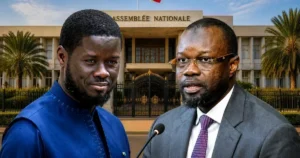
The opposition, led by figures such as Ousmane Sonko, is also preparing for a strong showing. Sonko’s engagement with grassroots movements adds another layer of unpredictability to the vote. His party’s performance could signal shifts in national political alliances.
Local governance: A test for President Faye’s vision
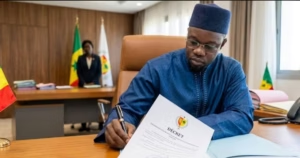
The local elections are more than a routine vote—they are a referendum on Faye’s broader vision for Senegal. His administration has promised sweeping reforms, but implementation remains a challenge. Will voters reward progress in areas like education and healthcare, or will they demand faster action?
Local leaders will play a pivotal role in shaping public perception. Their ability to deliver on campaign promises will determine whether Faye’s reforms gain traction among the electorate.
Public sentiment ahead of the vote
Public mood varies across regions. In urban centers like Dakar and Touba, economic concerns dominate. Meanwhile, rural areas are focused on agricultural policies and infrastructure development. These differing priorities could influence voter turnout and party strategies.
Senegal’s local elections are a litmus test for political stability. The government’s response to these challenges will be closely watched as the country navigates this pivotal moment.
Key takeaways from Senegal’s local election race
- Timing is everything: With little time left, all political camps are racing to solidify their positions. Faye’s administration must act quickly to reassure voters and address lingering doubts.
- Opposition strategies: Sonko’s party is mobilizing supporters nationwide, leveraging grassroots networks to challenge Faye’s vision for Senegal.
- Local priorities: Voters are split between economic recovery and long-term governance reforms. The results will reveal which issues matter most.
- National implications: These elections could redefine political alliances and set the stage for future national contests.
As Senegal prepares to head to the polls, the outcome remains uncertain. What is clear is that the local elections will leave a lasting impact on the country’s political landscape. For Faye, the pressure is on to deliver results that resonate with voters beyond the capital.