The capital of Sénégal, Dakar, is bracing for a pivotal day in its political landscape. With a new Prime Minister appointed overnight and a crucial session of the National Assembly scheduled, the nation stands at a crossroads of institutional change.
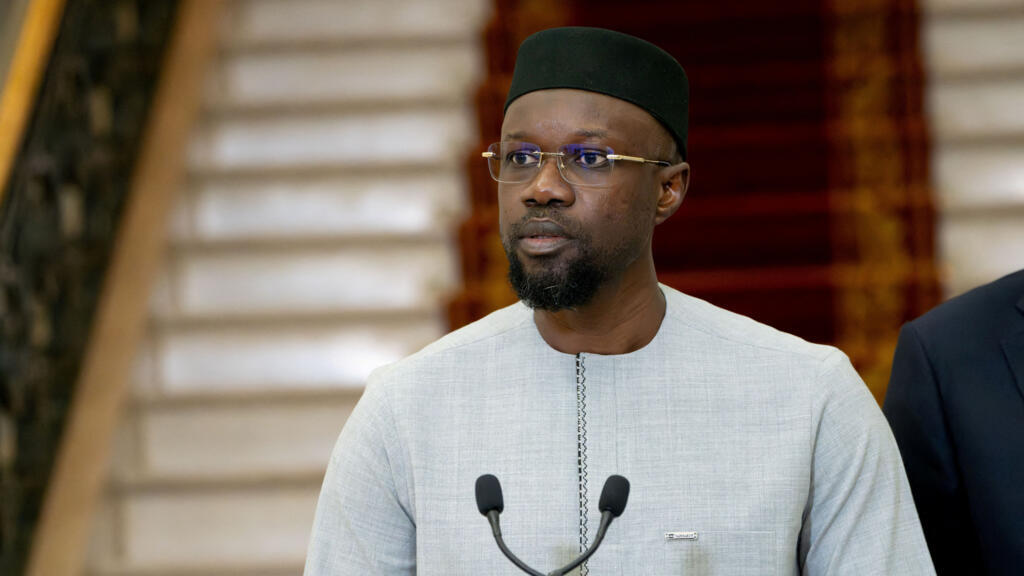
a new prime minister takes the helm amidst fiscal challenges
Overnight, President Bassirou Diomaye Faye reshuffled the executive team by appointing Ahmadou Al Aminou Mohamed Lo as the new Prime Minister. A seasoned economist and former Minister of the National Agenda for the Sénégal 2050 Transformation project, Lo brings expertise in national and international financial circuits to the helm of government. Local analysts describe his profile as “a strategic asset in a period of tight budget constraints and ambitious development goals.”
With a deep background in macroeconomics, banking regulation, financial markets, and Islamic finance, Lo has been instrumental in steering the nation’s new governance model since its inception. His appointment signals a shift toward technocratic leadership, a move some observers believe is necessary to stabilize the country’s economic trajectory.
sonko’s potential return: a game-changer for the national assembly
Today’s session of the National Assembly could mark another historic moment. The agenda includes two critical decisions: the possible reinstatement of Ousmane Sonko as a deputy and the election of a new Assembly President. Sonko, a prominent opposition leader recently removed from the Prime Minister’s office, remains a polarizing figure.
Should his reinstatement be confirmed, political observers warn of an unprecedented cohabitation scenario. The Pastef party, led by Sonko, holds a commanding majority of 130 seats out of 165—a legacy of the November 2024 legislative elections. This majority would give Sonko significant influence over budget decisions, investigative commissions, and reform timelines. However, legal uncertainties loom large. Some jurists argue that Sonko’s removal as a deputy was final under Senegalese law, leaving today’s decision fraught with controversy.
2029 presidential ambitions fuel political tensions
As these institutional shifts unfold, the 2029 presidential election looms large on the horizon. Analysts suggest that Ousmane Sonko is increasingly positioning himself as a frontrunner, with his party already working to reform electoral frameworks that previously barred his candidacy. The question now is whether he will wait for the scheduled vote or attempt to accelerate the political calendar through institutional confrontation—a move that could destabilize the country.
Meanwhile, President Faye faces a delicate balancing act. Will the new government be composed primarily of Pastef members, or will he appoint loyalists outside the party? Speculation even suggests the possibility of dissolving the Assembly to seek a fresh mandate, though such a step carries significant risks. If Pastef were to regain a majority, 2029 could slip further from Faye’s grasp, solidifying Sonko’s role as a key political force in Sénégal.
The coming hours will reveal whether the nation heads toward cooperation or confrontation. One thing is certain: the decisions made today will shape Sénégal’s political and economic future for years to come.