security chaos in eastern Congo fuels Rwanda’s hidden agenda
While authorities in the Democratic Republic of the Congo (DRC) claim to have reached a disarmament, demobilization, and cantonment protocol with Rwanda’s rebel group, the FDLR, Kigali has dismissed the initiative as a mere stalling tactic. Tensions between Kigali and Kinshasa over the FDLR have simmered for decades. The group, some of whose members are accused of participating in Rwanda’s 1994 genocide, remains a persistent concern for Kigali, which cites it as justification for deploying troops inside eastern DRC alongside the M23 rebel movement.
Last year’s Washington agreements required Rwanda to withdraw its forces, while Kinshasa pledged to neutralize the FDLR. Yet recent events reveal a stark contrast in commitments. Why have the two neighbors taken such divergent paths?
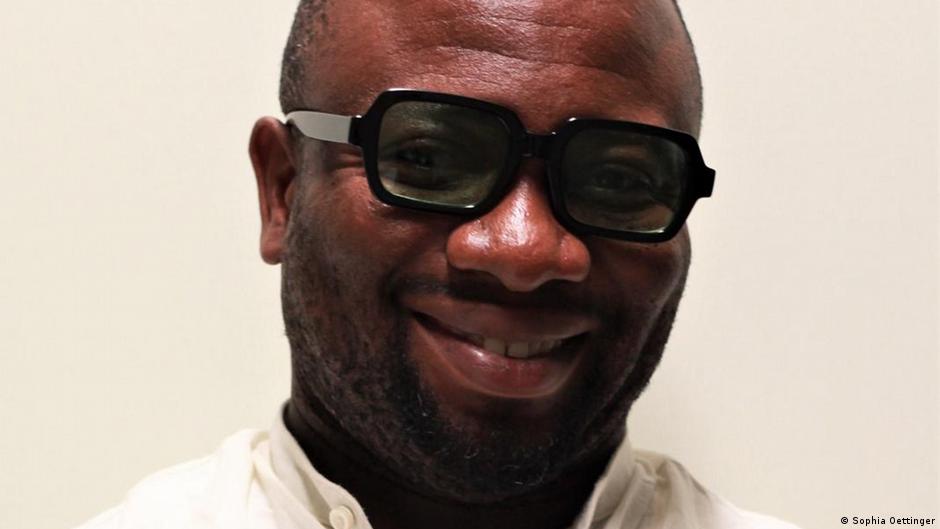
Insights from Josaphat Musamba, PhD candidate at Ghent University in Belgium
Josaphat Musamba: Kigali has rejected the sensitization process and persuasion tactics outlined in the agreement. Its actions suggest bad faith. Despite its military presence in eastern Congo, Rwanda appears to benefit from the current instability and seeks to perpetuate it. Kigali’s strategic ambitions in eastern DRC remain unclear, raising serious questions about its true intentions.
What is the true nature of the FDLR’s presence in eastern DRC, and what lies beneath the surface?
Josaphat Musamba: Kigali and the M23 claim the FDLR are integrated into the DRC’s armed forces, but this assertion lacks empirical evidence. The alliance between the M23 and Rwanda’s Defense Forces (RDF) has repeatedly failed to neutralize the FDLR within their zones of control. This persistent insecurity appears to serve a broader geopolitical agenda for Kigali. By destabilizing eastern DRC’s administrative structures, Rwanda strengthens its influence in the region.
Does the Rwanda government’s rejection of the Kinshasa-FDLR protocol mean the group will never be dismantled, preventing peace between Rwanda and the DRC?
Josaphat Musamba: Kigali’s argument lacks factual basis. The DRC has opted for dialogue over confrontation with the FDLR, tailoring its approach to context. While countering RDF and M23 advances, Kinshasa cannot afford to open additional fronts against the FDLR. If persuasion succeeds, the FDLR as an armed group may fade. However, its ideological resistance to the Kigali regime could persist indefinitely.