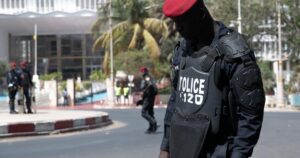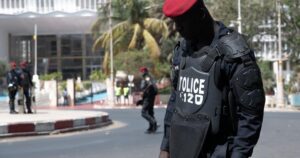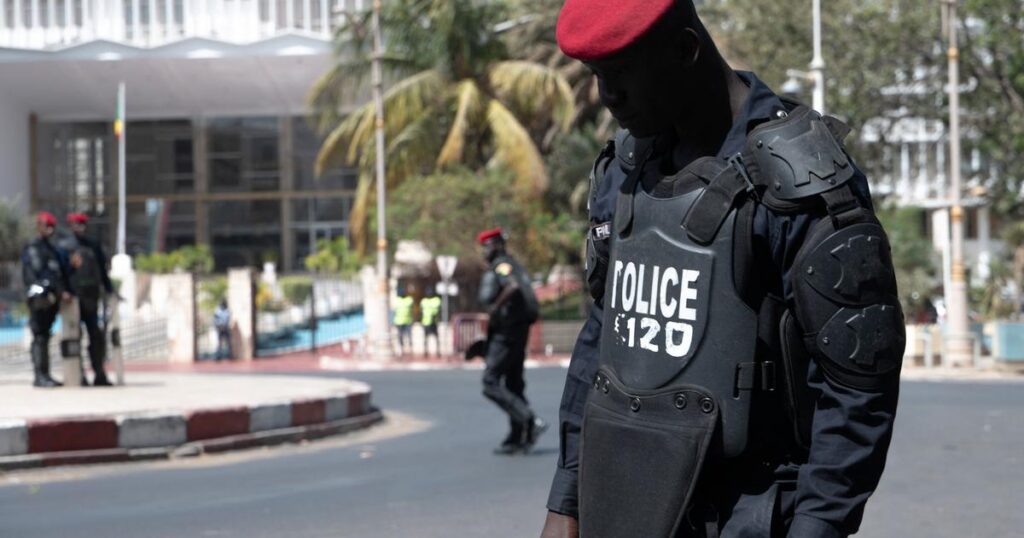
For Amadou Bangoura, a 30-year-old Beninese student, the evening of July 7 will forever remain etched in his memory. Around 10 p.m., as he left his gym in the Liberté 6 district of Dakar to head home, the streets were nearly deserted. Most shops had closed for the night, with only the occasional vehicle lights piercing the darkness. Suddenly, a police patrol ordered him to stop. Two officers stepped out and demanded, “Show your papers.”
Bangoura, who had lived legally in Senegal for five years with valid residency documents, described the encounter as deeply unsettling. “I couldn’t help but wonder what might happen next,” he recalled. His experience reflects a growing unease among foreign residents in the country, where a sweeping crackdown on foreigners—particularly West African nationals—has raised concerns about the erosion of Senegal’s famed Teranga (hospitality).
Between June 30 and July 8, authorities conducted 490 identity checks targeting foreigners, resulting in 36 individuals being referred to prosecutors for irregular stay. The operations, spearheaded by the Directorate of Foreign Police and Travel Documents, were framed as efforts to “enhance public safety.”
disproportionate measures spark backlash
Civil society groups have condemned the initiative, warning that it normalizes a climate of “permanent suspicion” toward foreigners. In a July 13 statement, activists highlighted “arbitrary arrests, excessive administrative demands, and prolonged detentions” as troubling patterns. The crackdown coincides with Senegal’s recent assumption of the Economic Community of West African States (ECOWAS) presidency, a role traditionally associated with regional diplomacy and cooperation.
Social media has amplified tensions, with hostile rhetoric on platforms like TikTok targeting the Guinean community—who make up over 40% of foreign residents in Senegal—accusing them of stealing jobs from locals. Such narratives echo xenophobic rhetoric recently observed in South Africa, where similar accusations have fueled unrest.
While authorities insist the measures are necessary for security, critics argue that the approach risks undermining Senegal’s reputation as a welcoming nation and could strain regional relations at a critical juncture.