Signature: c7rAILscjxWB8GukP8I7snOHbxEyI6+FYLvfNXF3dxTMfGpBxqThjGPBuEhGwXXukGbvTeidkGZJsTKvlnd71wwip3P8+zri54HA0mz48WIp34ouVk9XOZEa/OchBtFzHq5UGSEbzSeYwDv94N2LlYo1JErbqfol7HPtjbXXvabkaqPbBeZ3w3ruUfXhGowtHQXxmTkBHb7HVkmcuTDgRRms7agF02umH6CPiIyIu7w4sAfapdSLFzqfskdWxK3E/bULsw2WoYIwabHdGOhPqy5O9bR5iY8jN8GeK0N0bMWus80SlFlIQCLMsGJ9KvXL4MuzekVf/3I9vuOSiwiT3KSTKSoH8saBJlDEY01bPbD07cNSDOSJAsXgm4eg88wNZm6FTM/xcNzt+IrJ9fW8c6BiW0f2o1z4XjN/RnFlek6EqkIXgbq9UAmAqCfQxSVU7GQWQG7/hxxSlv0BVIOeO0Ks8oYnxoTIVJigmFPROFHg3/XuyosdZXKb9AcFkSvNq3Jxb3RAQjZscFAIq0qeSHjKobiCo9APUQlGrGaZyMrqoAONGQXh9L++UFb+7Zu20OCNfLw6Y3f5IP1es6V2SNInhawVOWA0KUjCmmRH95VJ0NOxNBJMqQvZu2qE1AnM/lg9JvFuIxY66LuAkK25PcisTPnyk7kYbS9VH+JlPPtZVV7yhXLdMaS9Lu3SeYfbEkgqcODq1H90BtmXPt7fUB98BCsELtOtW2k5zVSHaQ0kxQ+r1BHZtm+kDpKcG5r1x2/OfEXKXwyJWUoEqlq3M01qqovOa7ja5WISsIdkurpvX9O3qPknUeXwLCuhZZ0cAay87nCvXtv4seIIbAMFtgy0745U+YLQybuI0ZnkExHHpJ5vAt1Vs2eK90AOGBR9H2u+QN53bcP2TsLOQkFVbHBLyHJ5KOsQPSp34g7J2RkKL4zc13qllGvt2EPWgTlhBiKEzq9EZpkC331oGAPw2n90PfCUbNgilIDOUi+LJNM=
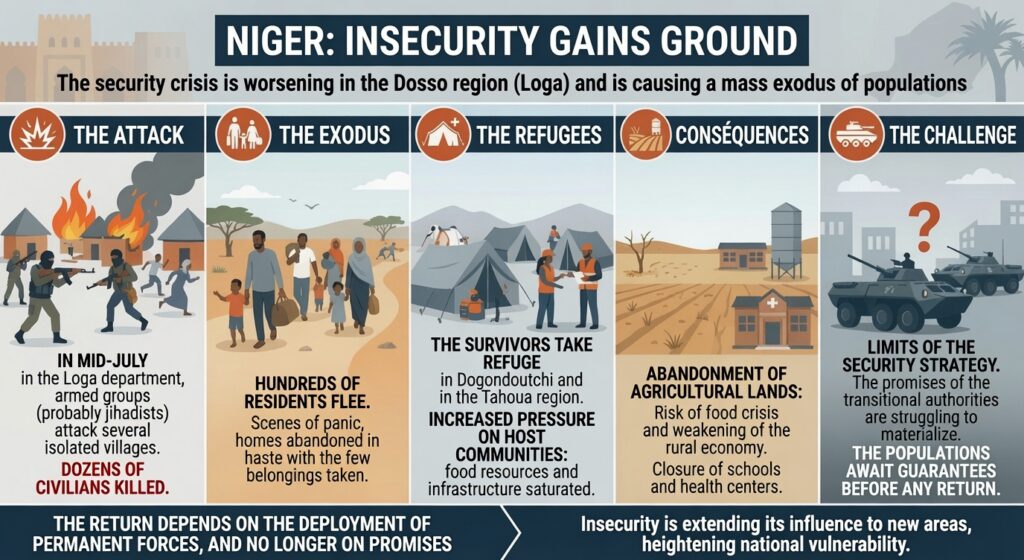
The security crisis in Niger is deepening, with a fresh wave of violence forcing hundreds of residents to abandon their homes in the Loga department, Dosso region, in mid-July. This latest outbreak underscores a troubling trend: despite repeated pledges from military authorities, numerous communities remain vulnerable to armed group incursions, leaving civilians bearing the brunt of the conflict.
Unrelenting violence drives mass displacement
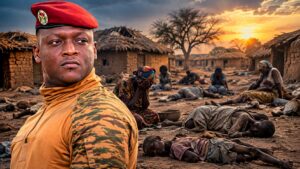
Local accounts confirm that jihadist groups carried out deadly attacks on isolated villages, exploiting gaps in security measures to inflict widespread panic. Survivors describe harrowing scenes families fleeing with only the barest possessions, homes left abandoned in haste, and entire communities uprooted overnight. The death toll among civilians has reached alarming levels, with dozens confirmed killed in the attacks.
The displaced have sought refuge in Dogondoutchi and surrounding areas in the Tahoua region, hoping to find stronger protection. However, their arrival has strained already struggling host communities, which face economic hardship, inadequate social infrastructure, and severe food shortages. The sudden influx of people has intensified pressure on limited local resources, leaving many in precarious conditions.
Security strategy under scrutiny
The latest attacks highlight persistent shortcomings in Niger’s transitional authorities’ security approach. Since the change in leadership, restoring national security has been marketed as the junta’s top priority. Yet, violence continues to spread, affecting both border regions and interior zones, raising doubts about the effectiveness of military operations and troop redeployments.
The surge in internal displacement serves as a stark indicator of the conflict’s escalation. When families abandon their land, farms, and livelihoods, it signals a profound erosion of trust in the state’s ability to safeguard its citizens. For these communities, return is no longer solely dependent on the end of hostilities but on tangible guarantees of safety and stability.
Local skepticism persists amid promises of protection
Nigerien authorities have pledged to bolster military presence in affected areas to facilitate the return of displaced populations. Yet, residents remain deeply skeptical. Many insist they will only consider returning after seeing sustained security deployments capable of preventing further attacks. Promises, they argue, have lost their weight in the face of recurring violence and unmet expectations.
Humanitarian crisis deepens as communities crumble
The conflict’s ripple effects are devastating local economies and social structures. Abandoned farmlands threaten future harvests, exacerbating food insecurity in rural areas already battered by years of unrest. Schools shutter, healthcare centers struggle to operate, and local markets falter, leaving populations increasingly vulnerable. The humanitarian toll is mounting, with displaced families urgently needing food, clean water, medical care, and dignified shelter. Relief organizations warn that resources are stretched thin, unable to keep pace with the growing number of internally displaced people.
This crisis is no longer confined to traditionally volatile regions. The spread of attacks into new areas has fueled concerns about armed groups’ expanding influence and their ability to exploit security weaknesses. For the residents of Loga, the immediate priority is clear: restoring basic safety before any return can be contemplated. Until that happens, the exodus of civilians will likely continue, carrying ever-heavier human, economic, and social consequences for a Niger grappling with an entrenched security emergency.