rising hunger in Mali fuels regional crisis in 2025
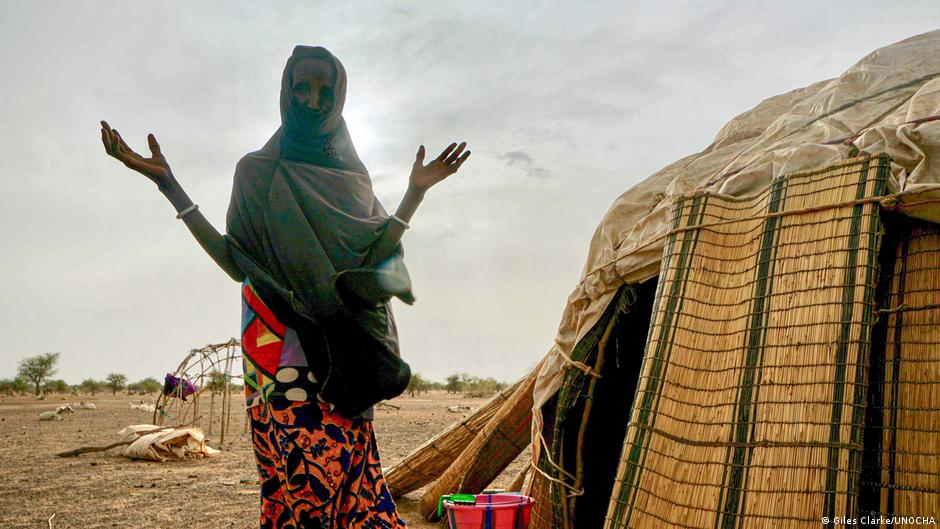
In 2025, one in five inhabitants across the Sahel region faced severe food shortages, with Mali emerging as one of the hardest-hit nations. The latest global assessment on food security and nutrition paints a grim picture for West Africa, where persistent conflicts and climate pressures have pushed millions to the brink of survival.
Why the Sahel faces its worst hunger crisis in decades
The Sahel’s food security situation has deteriorated steadily over the past 15 years, with Mali, Burkina Faso, and Niger bearing the brunt of the crisis. Fanta Touré Diop, regional representative for Action Against Hunger in West and Central Africa, highlights three major drivers behind this emergency:
- Escalating conflicts: Armed violence has displaced entire communities, cutting off access to farmlands and markets. Northern Mali remains the epicenter of this instability, forcing families to abandon their homes in search of safety.
- Climate extremes: Erratic rainfall and prolonged droughts have devastated crops, leaving rural populations with little to harvest or sell. The region’s vulnerability to climate shocks has worsened food insecurity.
- Shrinking aid budgets: Reduced international funding has crippled emergency response efforts, leaving millions without critical food and nutrition support.
“The situation demands urgent, coordinated action,” Diop warns. “Without immediate intervention, the humanitarian toll will only deepen.”
Mali’s displaced populations bear the heaviest burden
Northern Mali, plagued by extremist violence, has seen a mass exodus of civilians. Displaced families have relocated to southern regions like Bamako and Sikasso, straining already scarce resources. The crisis has pushed food insecurity rates in Mali to alarming levels, with aid agencies struggling to keep pace with demand.
“The north remains inaccessible due to security threats, making it nearly impossible to deliver life-saving assistance,” Diop explains. “Meanwhile, southern cities are overwhelmed by the influx of displaced people, many of whom arrive malnourished and in dire need of support.”
Governments urged to act before it’s too late
While humanitarian organizations scramble to fill gaps, experts stress that long-term solutions require strong political leadership. Diop emphasizes that African governments must prioritize:
- Data-driven policies: Reliable data is essential for targeting aid and designing effective resilience programs.
- Regional cooperation: Neighboring countries must collaborate to address cross-border displacement and trade disruptions.
- Sustainable funding: Rebuilding donor confidence is critical to restoring critical nutrition and food security programs.
“The window to prevent a full-blown catastrophe is closing,” Diop states. “Every day without action deepens the suffering of millions.”
Funding gaps leave millions at risk
The financial shortfall is staggering. In West and Central Africa, 57 million people now face food insecurity, with 24.3 million in the Sahel alone requiring urgent assistance. Yet, only 21% of the $3.7 billion needed has been secured. The consequences are dire:
- Over 11.3 million children and women are at risk of malnutrition.
- Reduced aid means fewer meals, poorer health outcomes, and higher child mortality rates.
- Without scaled-up support, entire generations could face irreversible developmental setbacks.
“The numbers tell a story of a region on the edge,” Diop says. “We cannot afford to look away.”