A wave of resignations among Pastef’s leadership—including long-standing supporters of Ousmane Sonko—reveals deep fractures in Senegal’s political arena, driven by the formation of a new presidential party.
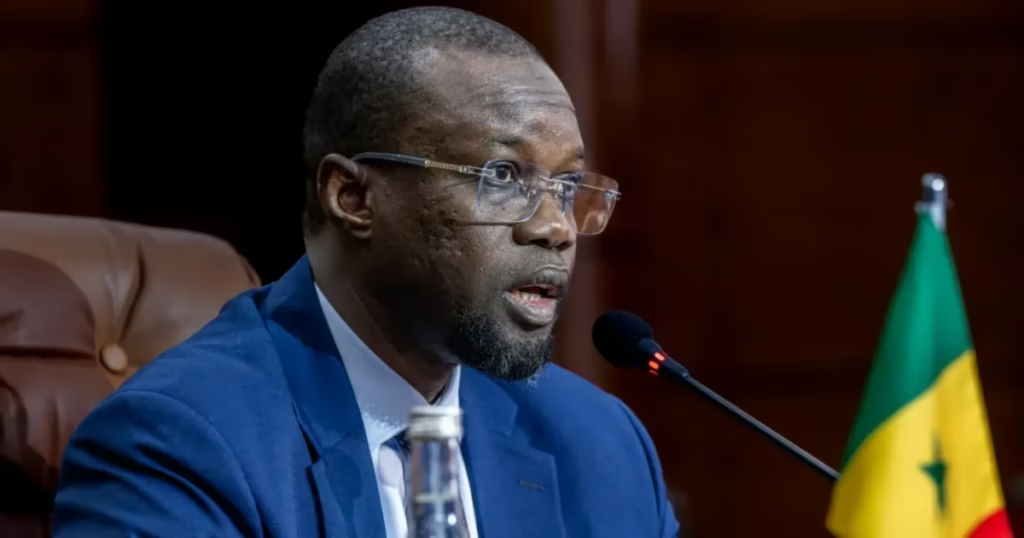
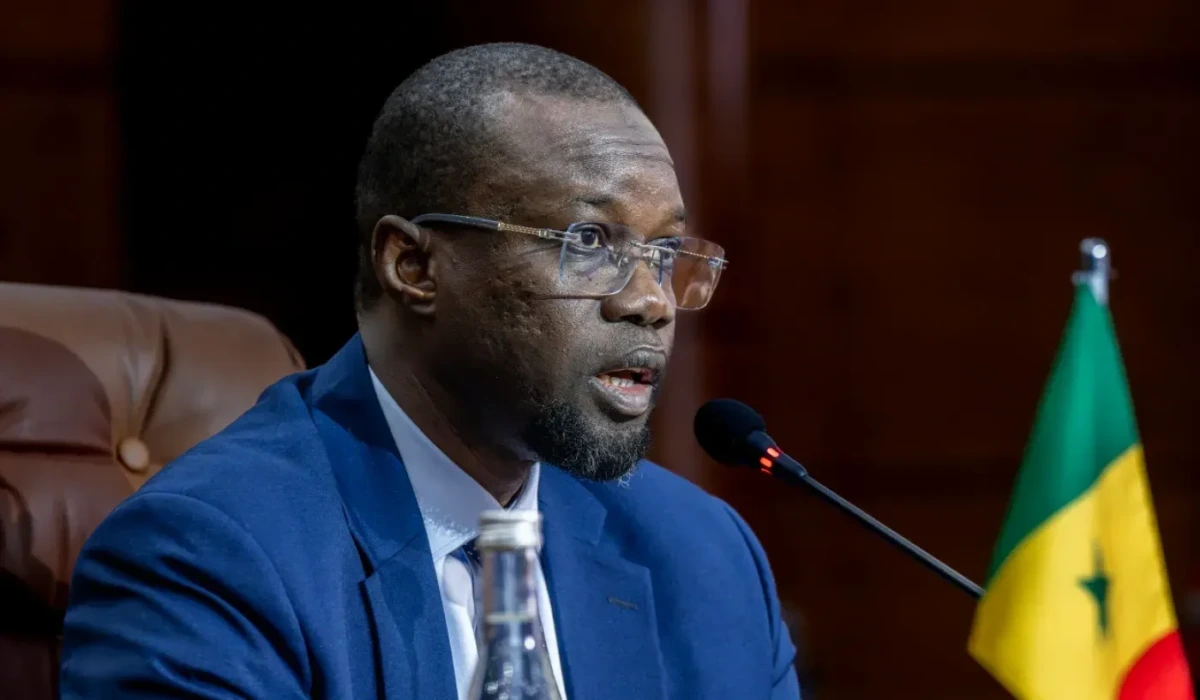
What began as isolated departures among Pastef’s ranks has rapidly escalated into a sweeping exodus. Veteran party officials, rising stars, and heads of public agencies are abandoning the movement at an unprecedented pace. The reason behind this mass defection is becoming increasingly clear: the irreparable rift between President Bassirou Diomaye Faye and Ousmane Sonko, the Speaker of the National Assembly and party leader.
Once hailed as the architects of Senegal’s 2024 political shift, the two men now stand on opposite sides of a widening chasm. Their alliance, once the bedrock of the new administration, unraveled after Sonko’s dismissal from the prime minister’s office in May 2026—a move that capped months of simmering tensions between the presidency and the prime minister’s team. Sonko, now presiding over the National Assembly, retained control of Pastef, while Faye sought to consolidate his grip on the machinery of state.
The first major sign of this schism came in early June when Housing Minister Moussa Bala Fofana resigned—just days after Sonko publicly chastised ministers for failing to align with the party’s directives. Fofana denied acting on presidential orders, instead expressing respect for his former mentor. His departure underscored the growing divide between the party’s traditional base and the president’s evolving priorities.
Constitutional reforms spark further confrontation
The tension reached a new peak on July 3, when Faye announced plans to launch a new presidential party aimed at uniting factions under a single banner. This move effectively severed any remaining ties with Pastef, leaving the movement’s future in question. In the streets, the “Diomaye Président” coalition has wasted no time in consolidating its structure, actively courting defectors from the opposition.