political dialogue opportunity in democratic republic of Congo
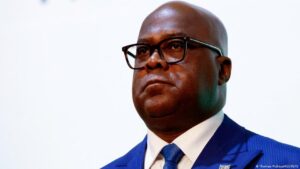
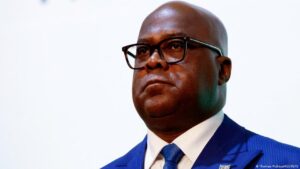
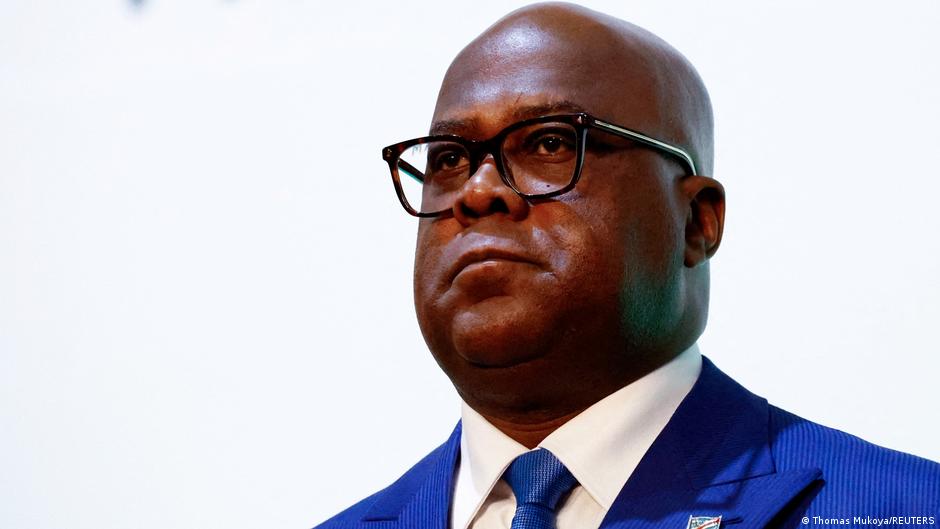
President Félix Tshisekedi of the Democratic Republic of the Congo has formally endorsed the organization of a comprehensive, peaceful, and constitutionally grounded national dialogue. This landmark decision follows consultations with the country’s leading religious leaders and signals a potential turning point in the nation’s political trajectory.
The proposed dialogue aims to tackle five critical areas:
- Regional insecurity in the East, where armed groups continue to destabilize communities;
- Political tensions that threaten national unity and governance;
- Governance reforms to strengthen transparency and accountability;
- Economic and social challenges, including unemployment and poverty;
- Peace-building and democratic consolidation through structured reforms.
Key logistical details—such as the exact date, participant list, agenda, and organizational framework—are still under review. These elements will reportedly be formalized through a presidential ordinance in the coming weeks.
Why now? The stakes behind the dialogue
The timing of this initiative is no coincidence. Over the past year, mounting pressure from religious institutions, civil society groups, and opposition factions has intensified calls for a structured national conversation to heal divisions and restore stability.
The dialogue is seen as a strategic response to four urgent priorities:
- National cohesion—bridging the gap between rival political factions;
- Security crisis resolution—addressing the ongoing insurgency in eastern DRC;
- Political stabilization—creating a framework for constructive engagement;
- Inclusive governance—ensuring all stakeholders have a voice within constitutional bounds.
Opposition leaders have cautiously welcomed the announcement but insist on swift action. The C64 coalition, a prominent opposition bloc, has postponed a planned July 22 protest in Kinshasa. However, they have set a firm deadline: unless the dialogue is officially convened by August 15, they reserve the right to resume mass mobilizations.
Ahead of the debate, three prominent voices joined Eric Topona to examine the potential impact of this political dialogue:
- Bob Kabamba, Professor of Political Science at the University of Liège, Belgium;
- Martin Ziguélé, former Prime Minister of the Central African Republic and leader of the Movement for the Liberation of the Central African People (MLPC);
- Trésor Kibangula, Political Director at Ebuteli, a Kinshasa- and Goma-based research institute focused on governance, politics, and violence in the DRC.
Tune in to the full discussion via the audio player above.