For over two and a half decades, the Democratic Republic of Congo (DRC) has grappled with a deepening hunger crisis, now affecting 26.5 million people who struggle daily to meet basic nutritional needs. The nation ranks third globally on the Global Hunger Index, trailing only Somalia and South Sudan—despite far less international attention on its plight.
Decades of conflict fueling food insecurity
The roots of this crisis lie in the prolonged armed conflict plaguing eastern DRC since the First Congo War in 1996. Unlike acute famines driven by climate shocks in neighboring regions, this humanitarian disaster stems from entrenched violence that has displaced 7.8 million Congolese. The recent capture of Goma by the M23 rebel group—a critical commercial hub—has further exacerbated food shortages and sanitation challenges, pushing millions closer to starvation.
Humanitarian response and emergency relief
In response, the Food and Agriculture Organization (FAO) and the World Food Programme (WFP) have mobilized urgent aid, distributing food and cash assistance to 1.3 million people through a $10 million allocation from the DRC Humanitarian Fund. Yet this effort falls critically short of the $214 million required to address the needs of all affected communities.
Building long-term food security
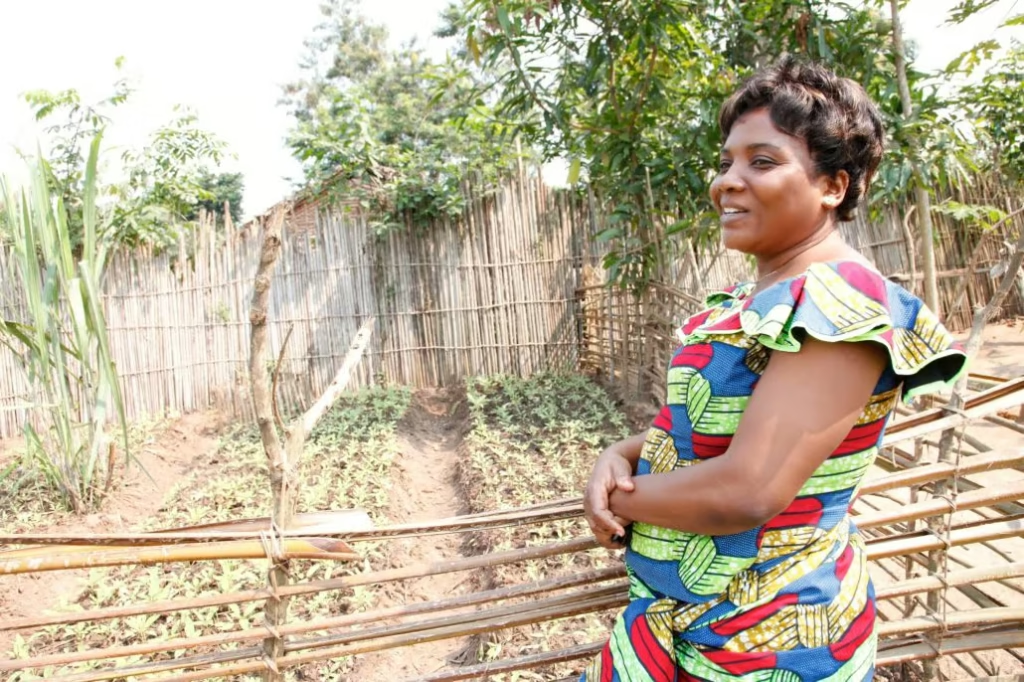
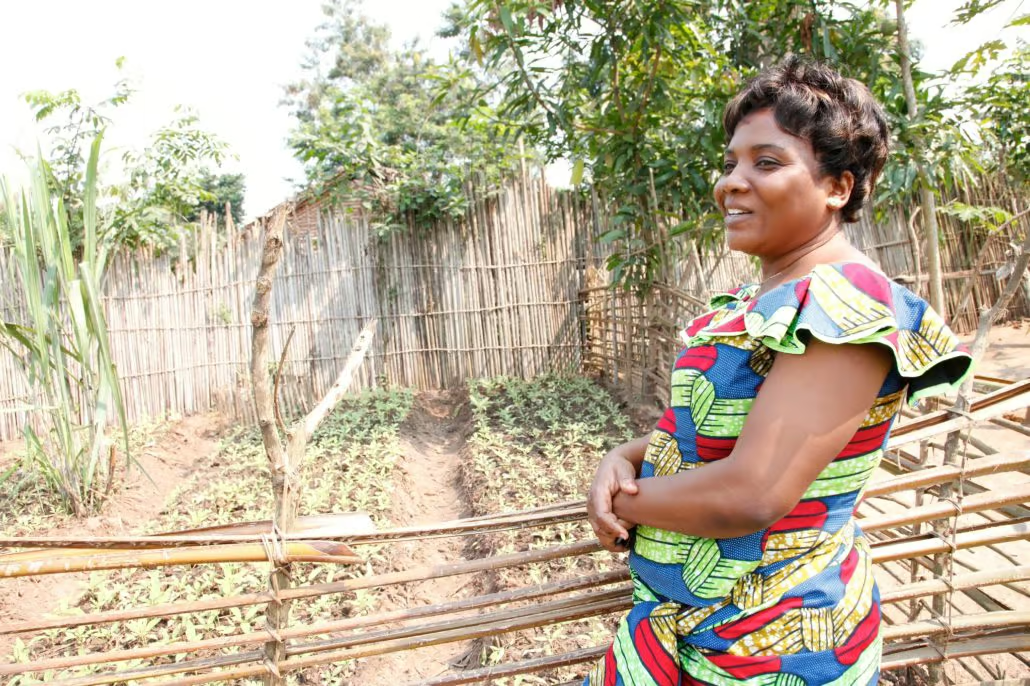
Beyond immediate relief, FAO and WFP are investing in sustainable solutions. With 4.18 million children under five suffering from acute malnutrition, WFP has launched nutrition-focused cooking classes in villages across the DRC. These programs emphasize locally grown ingredients, empowering families to adopt healthier diets while supporting local agriculture.
Meanwhile, FAO is strengthening agricultural resilience by providing seeds, tools, and livelihood support to help families restore food production. However, a $163 million funding gap threatens to stall these efforts during critical planting seasons.
The funding gap and the path forward
The hunger crisis in DRC remains a dire emergency, with conflict and displacement driving food insecurity to catastrophic levels. While FAO and WFP’s dual strategy—combining emergency aid with long-term agricultural development—has mitigated the worst outcomes, a $214 million shortfall persists. Closing this gap demands sustained international support to transition from emergency relief to lasting food security, ensuring a hunger-free future for the Congolese people.