This Friday, Ousmane Sonko will address the National Assembly in a politically charged environment, following the recent electoral code amendments. The session promises to be highly animated, with opposition voices contesting reforms that could dramatically reshape Senegal’s electoral landscape.
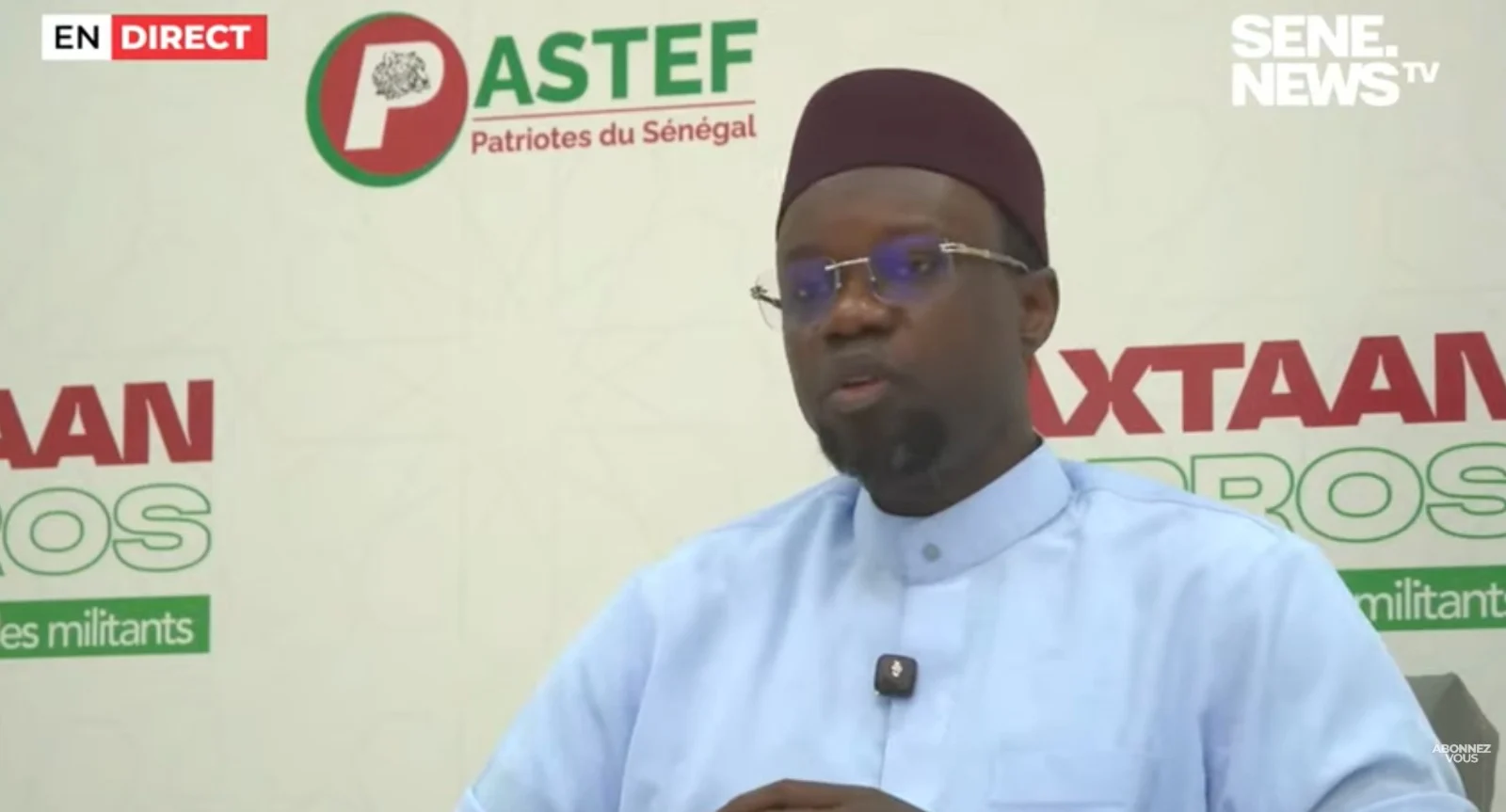
The Prime Minister is set to deliver his remarks during the Questions to the Government session, a tradition held every Friday in the Assembly. This appearance follows the adoption and enactment of changes to electoral code articles L.29 and L.30, which have sparked intense political debate. The opposition argues that these revisions undermine the eligibility criteria and civic rights of key political figures in Senegal.
The timing of this address is critical. The reforms, passed in a post-legislative climate of heightened tensions, have drawn sharp criticism from both sides of the political spectrum. While the majority defends the amendments as necessary for electoral integrity, the opposition views them as a unilateral power grab that could tilt future elections in favor of certain factions.
During the session, Sonko is expected to outline the Executive’s position, emphasizing the legal coherence and legitimacy of the newly adopted texts. With the opposition already signaling its intent to scrutinize the implications of these changes, the debate is likely to dominate the proceedings. While the official agenda includes pressing national issues such as economy, security, and social welfare, the electoral reforms will undoubtedly take center stage.
Economic and social backdrop
The political storm surrounding the electoral reforms coincides with a period of economic uncertainty. These tensions compound existing concerns over social demands and the country’s economic attractiveness. Investors and citizens alike are watching closely to see how the government will address stability and continuity in policy.
In this fragile environment, the authorities face a dual challenge: to reassure the public about institutional stability while demonstrating that the reforms do not jeopardize the nation’s progress. The international context—marked by geopolitical tensions in the Middle East—adds further pressure, as Senegal seeks to maintain investor confidence amid global instability.