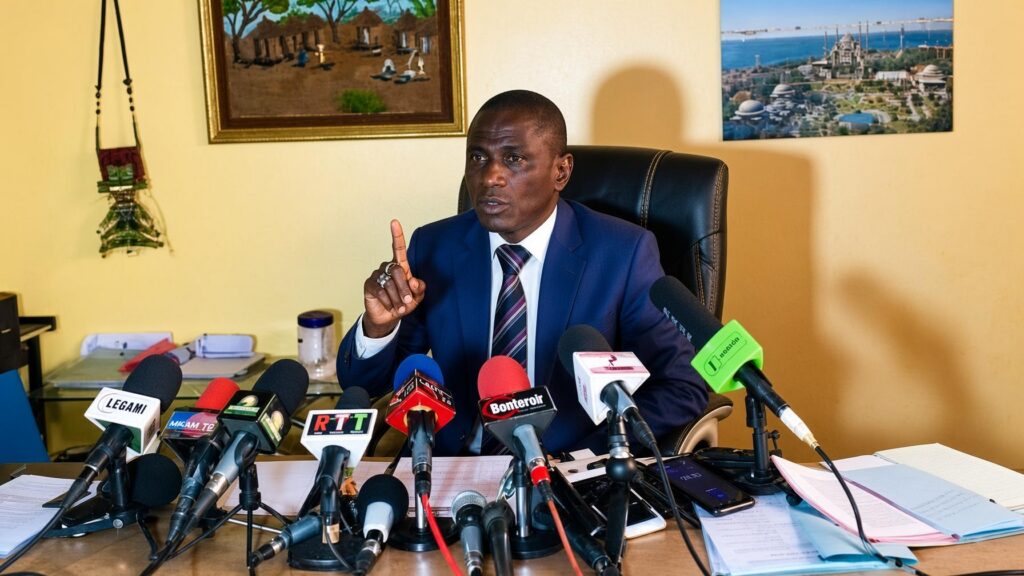
Niger’s authorities have placed lawyer Abdourahamane Lirwana behind bars, a move that signals a further hardening of judicial repression in the country. The detention of a prominent human rights defender and active member of the Patriotic Movement for Responsible Citizenship (MPCR) has drawn sharp concern over the shrinking space for dissent.
What happened to me Abdourahamane Lirwana
Lirwana was summoned to the Judicial Police Directorate in Niamey on 21 September 2026, taken into custody, and brought before prosecutors the following day. He was then transferred to Niamey prison.
The charge stems from a Facebook post published on 12 September in which he shared reflections on the situation and morale of the Nigerien army. Prosecutors are pursuing him under Article 31 of the cybercrime ordinance for allegedly “disseminating data likely to disturb public order,” an offence that can carry up to five years of imprisonment.
A crackdown on critical voices
The case is not isolated. For more than a year, arrests and prosecutions targeting civil society figures and media professionals have multiplied, part of what observers describe as a systematic effort to squeeze civic space.
By silencing defenders and critics, the authorities are crossing a red line. The question now is how far the hunt for dissenting voices will go, and how long a climate of suspicion will persist where expressing an opinion or questioning public affairs exposes citizens to judicial retaliation.
Legal and international implications
The prosecution raises serious questions about Niger’s compliance with its international commitments, including the International Covenant on Civil and Political Rights and the African Charter on Human and Peoples’ Rights, both of which guarantee freedom of expression and the right to a fair trial.
The Observatory for the Protection of Human Rights Defenders (FIDH-OMCT) has firmly condemned the judicial harassment. The organisation’s stance underscores a broader concern: allowing such actions to go unchallenged amounts to tacit acceptance.
Calls for immediate release
Lirwana has committed no crime. He exercised his constitutional right to free expression. Niger’s judicial and political authorities must release him immediately and unconditionally, drop all charges against him, and ensure that human rights defenders can carry out their work without fear of reprisal.