Thousands of residents in Niger’s southwestern region are scrambling to safety following a wave of violent assaults that struck multiple villages in mid-July. The attacks, which targeted communities in the Loga district of Dosso, have triggered an unprecedented exodus of civilians, disrupting agricultural activities and leaving families displaced.
Sudden displacement amid ongoing security threats
The first wave of violence erupted on July 17, when armed groups launched coordinated strikes on at least three villages. Local sources report that dozens of civilians were killed and many more injured during the raids. The sudden nature of the assaults caught communities off guard, particularly as many were engaged in critical farming work during the peak of the agricultural season.
The term “terrorists” has been used by state media to describe the assailants, a label commonly applied to jihadist factions linked to Al-Qaeda and the Islamic State in the region. While no official casualty figures have been released, the attacks have prompted urgent evacuations as survivors seek refuge in safer areas.
Displaced families scattered across neighboring regions
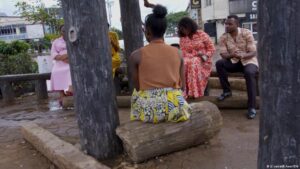
In the wake of the violence, residents have fled in multiple directions. Many have crossed into the Tahoua region, bordering Nigeria, while others have sought shelter in Dogondoutchi, a major city located roughly 100 kilometers from Loga. Images broadcast by national television show the scale of displacement, with makeshift camps rapidly forming to accommodate the influx of displaced persons.
Niger’s worsening humanitarian crisis
By 2025, Niger was already grappling with over 450,000 internally displaced persons, concentrated in three regions plagued by jihadist violence for the past decade: Tillabéri in the west, near Burkina Faso and Mali; Diffa in the southeast; and Tahoua in the center-east. The southwestern border region shared with Benin and Nigeria has seen a sharp escalation in attacks in recent months, with militant groups establishing a persistent presence.
The surge in violence has exacerbated an already dire humanitarian situation, straining resources and displacing families who had previously remained in their homes despite the ongoing conflict. With no clear end to the instability in sight, the plight of those forced from their homes continues to deepen.