N’Djamena’s urban order challenge: confronting poverty
In N’Djamena, the effort to combat urban disorder highlights a significant challenge: the necessity of addressing structural poverty to achieve lasting solutions beyond ineffective, temporary repression.
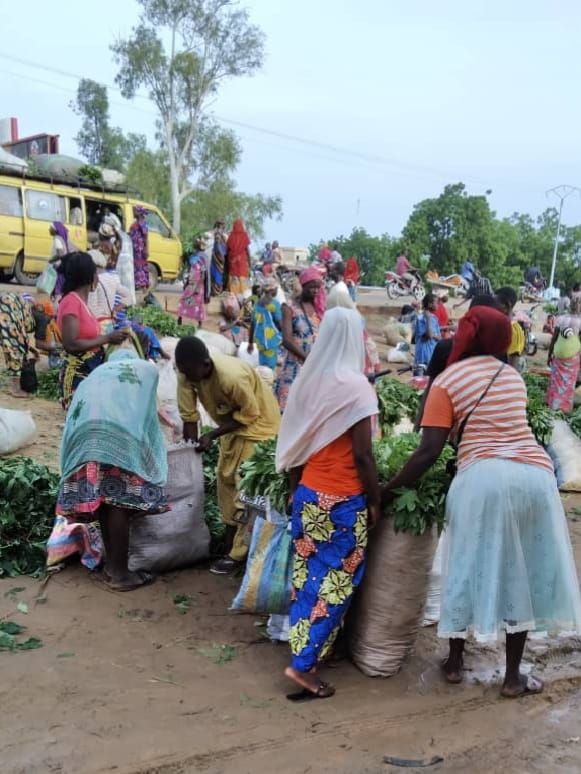
Municipal authorities in N’Djamena have declared a resolute stance: zero tolerance for urban disorder. From the haphazard occupation of public thoroughfares to visible begging in the streets and even addressing reported inappropriate conduct by certain security agents, the capital appears to be entering a stringent new phase of regulation. This initiative aims to re-establish public order and modernize the urban landscape.
In principle, this ambition is entirely understandable. No city can function sustainably amid chaos, and the demand for an organized urban environment is legitimate. Yet, a fundamental question persists: can we truly combat disorder without first examining its underlying causes?
Indeed, behind the often-criticized street scenes lies a deeper, more systemic reality: widespread poverty. In N’Djamena, much like many other African capitals, the street is not merely a space where urban rules are transgressed. For a significant portion of the population, it serves as a vital arena for survival. Informal vendors, beggars, and unemployed youth frequently occupy public spaces not by choice, but out of sheer necessity.
Within this context, a purely repressive response risks merely displacing the problem rather than resolving it. Forcing informal occupations to cease without providing economic alternatives, or intensifying controls without accompanying social policies, amounts to treating the symptoms while ignoring the root cause.
Therefore, the stakes extend beyond mere security or aesthetics. They encompass social, economic, and political dimensions. A truly “modern” city is not built solely through urban cleanup operations or public discipline campaigns. It is also forged by creating opportunities, integrating and supporting the informal sector, ensuring access to employment, and providing care for vulnerable populations.
While a zero-tolerance approach might create the illusion of order, an order imposed without genuine inclusion is likely to be fragile and temporary. As long as structural poverty persists, the streets will continue to offer a refuge for those with nowhere else to turn.
Perhaps the real question is not: how do we make urban disorder disappear? Instead, it should be: how do we transform the social conditions that render it inevitable?
It is this comprehensive societal response, rather than solely a repressive logic, that N’Djamena must confront today.