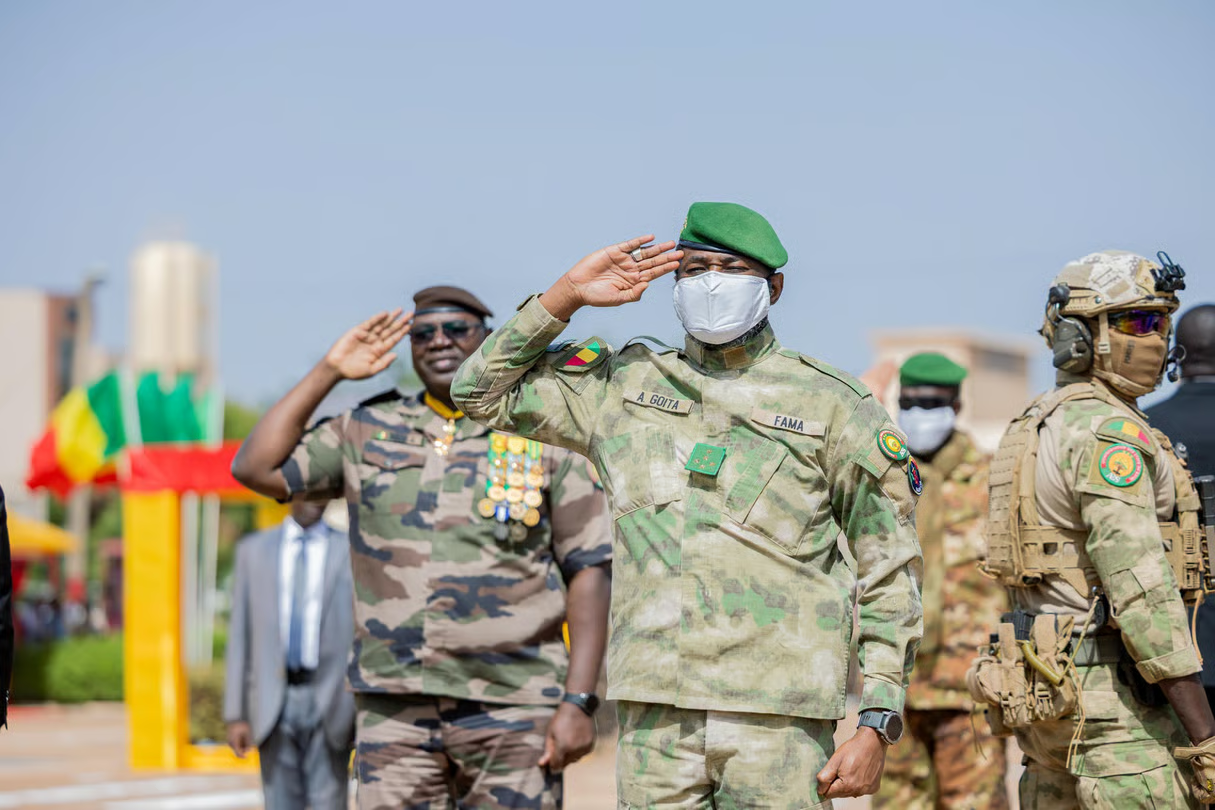
Bamako faces a defining moment as Assimi Goïta launches a bold military push to reverse the tide against armed factions. With fresh recruits on the ground and strategic shifts underway, the Malian leader is making a high-stakes gamble to restore security. Can this momentum shift the battlefield?
Why Mali’s military under Goïta is at a crossroads
Assimi Goïta’s administration is making a calculated gamble: mass-recruiting 2,400 soldiers and restructuring command while battling entrenched militant networks. This surge in force comes as armed groups, particularly Jama’at Nusrat al-Islam wal Muslimin (JNIM), escalate attacks across central and northern Mali, exploiting weak security gaps.
The new recruits mark the largest single intake in years, signaling a decisive break from past strategies. But with militants adapting rapidly, will this buildup translate into tangible progress, or is Mali doubling down on a risky military-first approach?
Key threats reshaping Mali’s security landscape
The rise of JNIM and its affiliates has transformed Mali into a battleground of asymmetric warfare. These groups:
- Leverage local grievances to recruit fighters and control territory, blending insurgency with community exploitation.
- Exploit porous borders with Burkina Faso and Niger, smuggling weapons and fighters to sustain cross-border operations.
- Target critical infrastructure, from military outposts to economic arteries like roads and trade routes.
Their tactics have forced Goïta’s forces into a reactive position, stretching resources thin across vast, hard-to-secure regions.
The strategy behind Goïta’s military surge
Goïta’s playbook hinges on three pillars:
- Rapid troop expansion: Training 2,400 new soldiers in a single cohort—a clear signal of intent to overwhelm insurgents with sheer numbers.
- Command restructuring: Reorganizing military leadership to improve coordination and reduce bureaucratic delays that have historically hindered operations.
- Local alliances: Forging partnerships with community militias to plug security vacuums where state presence is weak.
Early signs suggest mixed results. While frontline skirmishes show improved responsiveness, deep-seated issues like corruption and troop morale remain hurdles.
Can new recruits turn the tide?
The freshly trained soldiers bring fresh hope—but also challenges. Their deployment comes with:
- Intense pressure to prove their mettle in high-risk zones like Mopti and Timbuktu.
- Logistical hurdles, including supply shortages and inadequate equipment for prolonged operations.
- Risk of overstretch if militants counter with coordinated attacks on multiple fronts.
What’s next for Mali’s security battle
The coming months will reveal whether Goïta’s aggressive strategy can outpace the militants’ adaptability. Success hinges on:
- Sustained funding for troop salaries, equipment, and intelligence-gathering to maintain momentum.
- Regional cooperation, particularly with Sahel neighbors to cut off militant supply lines.
- Civilian protection measures to prevent insurgents from regaining lost ground through fear and coercion.
One thing is clear: Mali’s turning point has arrived. The question now is whether Goïta’s gamble pays off—or if the country’s security crisis deepens further.
Risks and realities on the ground
The path forward is fraught with uncertainties. Key risks include:
- Militant backlash: JNIM and allies may escalate attacks to overwhelm the new recruits before they gain experience.
- Public skepticism: Continued attacks could erode trust in the government’s ability to provide stability.
- Resource drain: Prolonged conflict strains Mali’s economy, diverting funds from development to security spending.
The stakes couldn’t be higher. For Goïta, this isn’t just about military might—it’s about reclaiming Mali’s sovereignty and restoring hope to a war-weary nation.