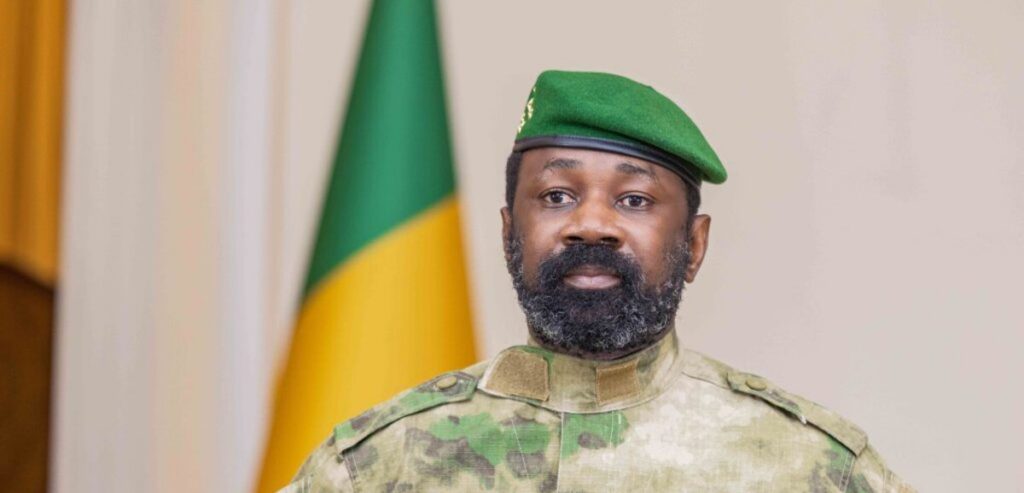
Mali’s critical turning point: Goïta ramps up anti-jihadist campaign amid push for national unity
Mali stands at a crossroads as transitional leader Assimi Goïta declares a dual strategy to combat escalating jihadist threats while urgently calling for nationwide reconciliation. The historic address, delivered during national Independence Day celebrations, marks a decisive shift in Bamako’s security and political approach to the decade-long insurgency that has destabilized West Africa’s central Sahel region.
The speech that changed Mali’s security calculus
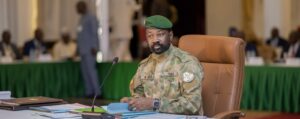
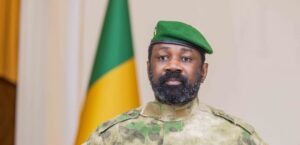
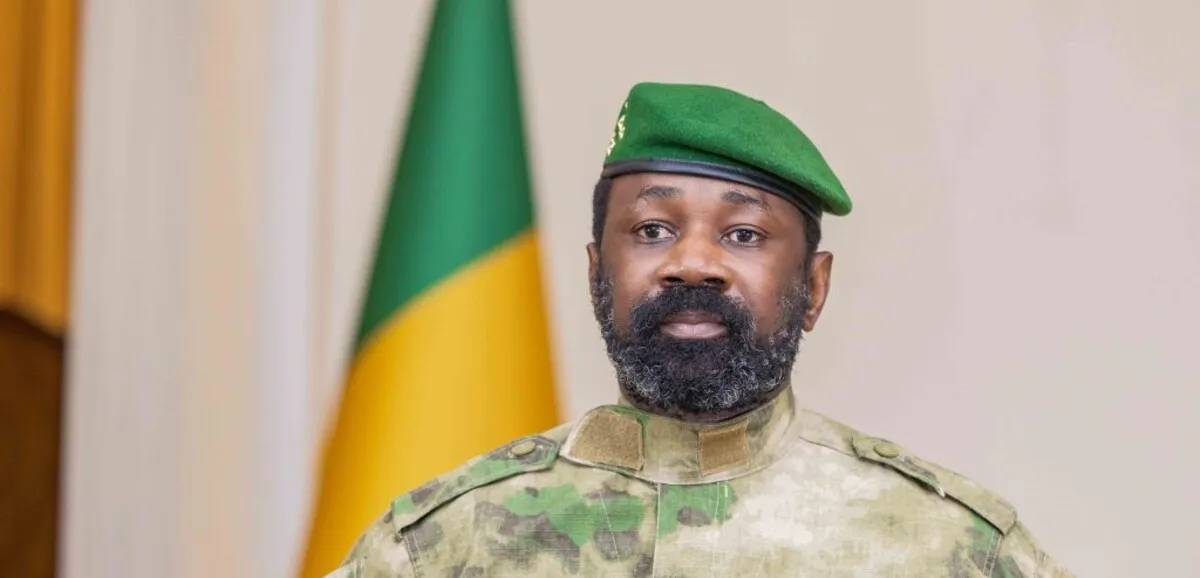
In a nationally televised address marking Mali’s 66th Independence Day, General Assimi Goïta outlined a two-pronged response to the country’s worsening security crisis. Speaking against a backdrop of devastating recent attacks, the junta leader simultaneously pledged to intensify military operations against armed groups and extend an olive branch to fractured communities.
“While remaining steadfast in our openness to dialogue and reconciliation among fellow Malians, our unwavering commitment to defending our territory and national unity remains absolute,” Goïta declared. The address followed his announcement of a major escalation in counter-terrorism operations against groups like the Jama’at Nusrat al-Islam wal Muslimin (JNIM), Al-Qaeda’s regional affiliate.
Bloodshed sparks new urgency in Bamako
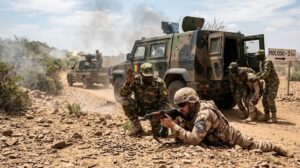
The timing of the speech wasn’t incidental. Just days prior, one of the deadliest attacks in years had claimed over 100 Malian soldiers in the central town of Dioura. The coordinated assault by JNIM forces left dozens missing and underscored the terrifying capabilities of the insurgent groups operating across Mali’s volatile center.
Senior military sources confirm the Dioura attack represented more than just another skirmish in the Sahel’s long-running conflict. The level of coordination and destructive power deployed suggested a strategic upgrade in jihadist capabilities – one that has forced Goïta’s transitional government to reassess its entire security framework.
A nation united in grief, divided in strategy
In a rare display of emotional candor, Goïta took time during his address to honor fallen soldiers, many of whom perished defending remote outposts from surprise attacks. The tribute served as a stark reminder of the human cost of a conflict that has already claimed thousands of lives and displaced millions across the region.
The speech also highlighted Mali’s shifting international alliances, with the transitional leader reaffirming cooperation with Moscow as Bamako’s primary security partner. This renewed partnership follows the progressive withdrawal of French forces and other Western military contingents from Mali’s Operation Barkhane – a development that has dramatically altered the country’s security landscape.
Can Bamako balance war and diplomacy?
As Mali commemorates Independence Day under thick security layers, the fundamental question facing Bamako remains unanswered: Is it possible to simultaneously prosecute a brutal counter-insurgency campaign while healing the nation’s deep social fractures?
The transitional government faces immense pressure to deliver both security and stability. With jihadist groups continuing to expand their influence across central and northern Mali, and communities increasingly disillusioned by years of instability, Goïta’s gamble appears as high-stakes as it is necessary.
- Increased military coordination with Russian security partners
- Targeted operations against JNIM and other insurgent factions
- National reconciliation initiatives to bridge ethnic and regional divides
- Sustained efforts to restore state authority across remote areas
The road ahead for Mali’s leadership
The coming weeks will determine whether Goïta’s strategy represents a genuine turning point or merely another chapter in Mali’s ongoing crisis. With regional jihadist networks growing increasingly interconnected, the success of Bamako’s new approach may well define the future trajectory of West Africa’s fight against extremism.
What remains clear is that Mali’s transitional leadership has acknowledged that military force alone cannot solve this crisis. The simultaneous call for national unity suggests a recognition that sustainable peace will require more than just battlefield victories – it will demand a fundamental healing of the nation’s social fabric.
Mali’s moment of reckoning
As the sun set over Bamako on Independence Day, Malian citizens faced a nation transformed by conflict and possibility. The general’s address offered both warning and promise: The jihadist threat remains existential, but so too does the chance for Malians to reclaim their country’s future through both strength and solidarity.