The recent coordinated assaults by the Jama’at Nasr al-Islam wal Muslimin (JNIM) in Mali’s central regions have marked a violent turning point, leaving over 150 soldiers dead and exposing critical weaknesses in the country’s defense strategy. These twin strikes in Dioura and Sévaré have not only triggered a national security crisis but also forced President Assimi Goïta’s government into urgent deliberations in Bamako, reshaping the trajectory of Mali’s long-standing conflict.
Why the Dioura and Sévaré attacks signal a decisive shift in Mali’s war
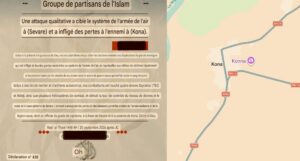
The twin offensive in Dioura and Sévaré was not merely another chapter in Mali’s insurgency—it was a calculated escalation designed to test and overwhelm the Malian Armed Forces. By targeting two strategically vital locations in a single coordinated campaign, the JNIM demonstrated a chilling level of coordination and firepower, leaving a trail of destruction that has left analysts and policymakers scrambling for answers.
The attacks occurred just days apart, but their psychological and operational impact has been immediate and far-reaching. Military logistics, troop morale, and public confidence in the government’s ability to maintain security have all been shaken to their core. With the death toll now exceeding 150 and rising, the question isn’t whether Mali has reached a crisis point—it’s whether it can recover from one.
From Bamako to the battlefield: how Goïta’s government is responding
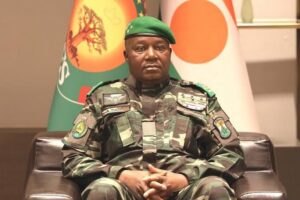
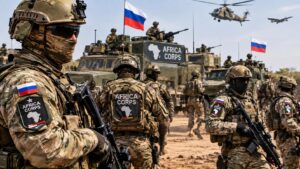
In the wake of the strikes, President Assimi Goïta summoned top military and security officials for an emergency session in Bamako. While details remain classified, the emergency meeting underscores a broader realization: Mali’s current counterinsurgency strategy is no longer sufficient. The government is now under immense pressure to recalibrate its approach, possibly with increased Russian support, enhanced intelligence sharing, and a renewed focus on protecting civilian areas.
But time is not on Mali’s side. The JNIM’s ability to execute large-scale operations with precision suggests deeper organizational shifts within the militant group, including possible external alliances and expanded recruitment. For Goïta, the stakes could not be higher—failure to contain the violence risks emboldening further attacks and undermining what little stability remains.
What these attacks reveal about Mali’s fragile security landscape
The devastation in Dioura and Sévaré offers a stark reminder of the fragility of Mali’s security fabric. Poorly guarded supply routes, weak local governance in central regions, and porous borders have all contributed to the militants’ ability to move freely and strike with impunity. The attacks have also highlighted the growing sophistication of the JNIM, which appears to be blending guerrilla tactics with conventional battlefield maneuvers.
Key vulnerabilities exposed by the latest offensive
- Logistical breakdowns: Military convoys and base defenses were inadequate against the coordinated assaults, revealing critical gaps in preparedness.
- Intelligence failures: Reports suggest advance warnings were either ignored or insufficiently acted upon, raising alarms about internal coordination.
- Civilian impact: Local communities are caught in the crossfire, with displacement and economic collapse threatening to destabilize entire regions.
Can Mali regain the initiative?
Rebuilding credibility and operational capacity will require more than military reinforcements—it demands a holistic strategy. Strengthening local alliances with community leaders, improving intelligence networks, and investing in rapid-response units could help tip the balance. Yet with the JNIM showing no signs of relenting, the window for decisive action may already be closing.
Looking ahead: what the future holds for Mali’s embattled government
As Goïta’s administration grapples with the fallout, one thing is clear: Mali stands at a crossroads. The attacks in Dioura and Sévaré have not only deepened the security crisis but have also forced a reckoning with the country’s long-term stability. Whether this moment sparks a necessary recalibration—or accelerates the country’s slide into further chaos—will depend on the steps taken in the coming weeks.
The international community, too, is watching closely. With global attention turning to the Sahel, the pressure on foreign partners to intervene—or at least support Mali’s recovery—will intensify. But as history has shown, external aid alone cannot resolve internal fractures. Real change will require bold leadership, unwavering accountability, and an unflinching commitment to protecting both soldiers and civilians alike.