Mali blocus in Bamako: Amnesty warns of dire impact on civilians
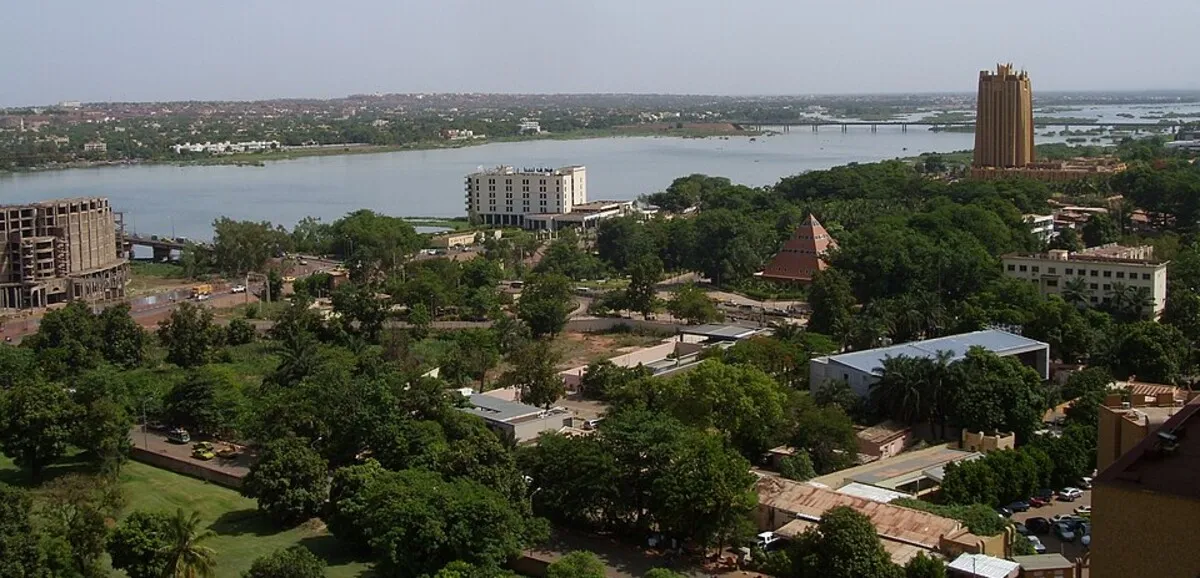
The capital city of Bamako has been under siege since April 30, enforced by militants from the Group for the Support of Islam and Muslims (JNIM). On May 15, Amnesty International urgently called on the armed group to halt restrictions that gravely threaten the safety and freedom of movement of civilians in the city.
JNIM blockade paralyzes civilian life
The JNIM, an Al-Qaeda affiliate, initiated the blockade following coordinated assaults on military positions in Bamako on April 25 and 26. The group also joined forces with the Azauad Liberation Front (ALF) during these attacks. The siege has since choked off vital supply routes, leaving residents cut off from essential goods and services.
Amnesty International flags “unacceptable” violations
In a strongly worded statement, Amnesty International condemned the blockade’s “unacceptable consequences” on civilian movement. The organization warned that the restrictions risk severe violations of fundamental rights, including access to food, healthcare, and basic safety. “Attacks on civilian vehicles are illegal under international humanitarian law,” stated Marceau Sivieude, Amnesty’s regional director. “All parties to the conflict must distinguish between civilians and combatants at all times.”
Amnesty highlighted a May 6 attack on a truck convoy transporting civilian goods—such as fruits—between Bamako and Bougouni. The militants allegedly targeted the convoy despite its lack of military escort or personnel, further disrupting already fragile supply chains. As a result, several transport companies have suspended routes to and from Bamako, deepening the city’s isolation.
The blockade underscores the urgent need for safeguarding civilian lives and upholding humanitarian standards amid Mali’s escalating security crisis.