Kouakourou’s exodus after jihadist takeover in Mali
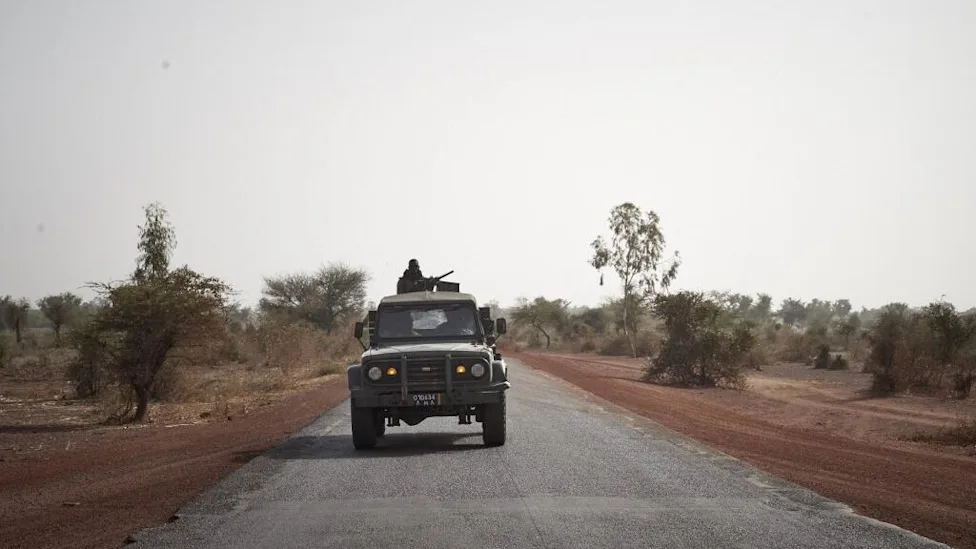
On a sweltering Saturday in July, the Jnim jihadist faction launched a devastating assault on Mali’s military outpost in Kouakourou, leaving the village emptied of its inhabitants. The following day, their aggression escalated as they shot down a military helicopter in broad daylight. Civilian-clad soldiers attempting to blend into the local population were swiftly apprehended by the fighters.
Residents, ordered to evacuate immediately, scattered in all directions. Some sought refuge in neighboring villages like Pora or Saba, where community bonds softened the harsh realities of displacement. Others made the grueling 40-kilometer trek on foot to Djenné, where local authorities and families offered shelter.
Failed reinforcements and aerial strikes
In response to the crisis, military reinforcements—including Malian troops and Russian Wagner Group partners from the Africa Corps—were deployed. However, their convoy faced relentless jihadist ambushes, drone strikes, and the destruction of a critical bridge, forcing them to retreat back to Djenné. By Tuesday, the army launched airstrikes in the area, claiming to have “neutralized” five terrorists and destroyed a logistics vehicle.
Humanitarian crisis unfolds
Hundreds of displaced villagers—men, women, and children—now find themselves in Djenné, housed in a local school or with relatives. The National Directorate of Social Development has provided essential supplies, including food rations and mosquito nets, while ongoing donations continue to pour in. Some have even traveled further to the capital, Bamako, in search of safety.