In a harrowing account that has shaken the international community, Joseph Figueira, a Belgian-Portuguese researcher, has revealed the terrifying ordeal he endured during his two-year captivity in the Central African Republic. His detention, orchestrated by Russian Wagner Group mercenaries, began in Zemio, a remote town in the southeast of the country, exactly two years prior to his eventual release on April 7th for humanitarian reasons. Now, safely back in Portugal with his family, Figueira shares his story, leaving critical questions unanswered: Was his arrest a random act or a calculated move for political leverage?
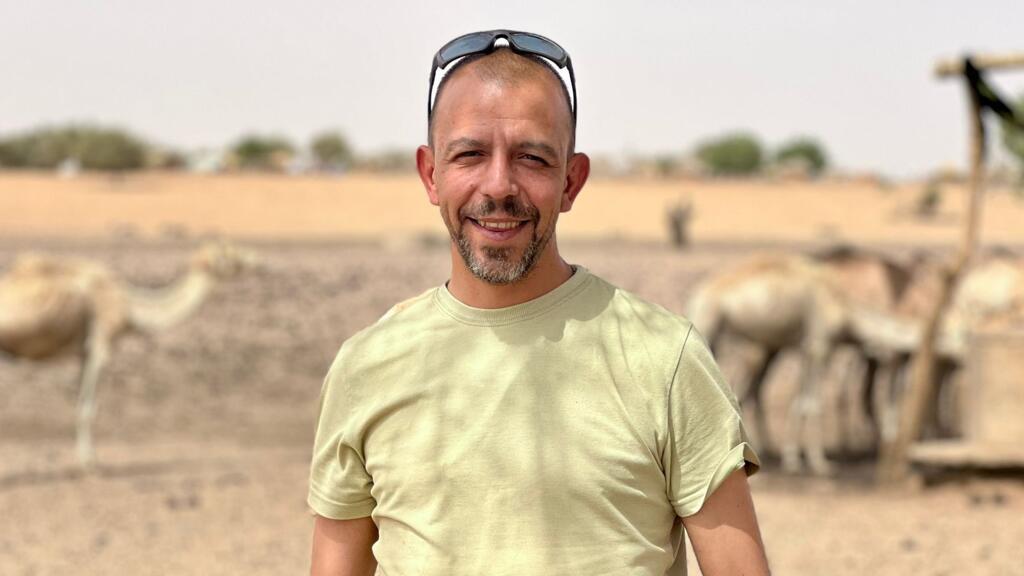
During his captivity, Figueira endured unimaginable hardships, particularly in Bria, a town under Wagner’s control. He admitted to having lost hope of ever seeing freedom again. His story not only sheds light on the brutal tactics of the mercenary group but also raises concerns about the safety of humanitarian workers operating in conflict zones. Figueira’s testimony, delivered from his home in Portugal, offers a chilling glimpse into the dangers faced by those caught in the crossfire of geopolitical struggles.
Life Behind Bars: A Story of Survival
Figueira’s ordeal began in Zemio, where he was taken into custody without warning. His detention was shrouded in secrecy, with no clear charges or legal process. For months, he was held in undisclosed locations controlled by Wagner mercenaries, where conditions were reportedly harsh and dehumanizing. His transfer to Bria marked a turning point, as he faced even greater peril in the group’s stronghold. There, he feared for his life daily, unsure if he would survive another day.
His eventual release, granted for humanitarian reasons, has sparked debates about the motivations behind his detention. Was Figueira targeted due to his research activities or his dual nationality? His story forces us to confront the broader issue of how foreign nationals and humanitarian workers are treated in regions destabilized by conflict and foreign interventions.
Questions Linger: A Call for Answers
The circumstances surrounding Figueira’s arrest and detention remain murky. His experience raises pressing questions about the role of Wagner Group mercenaries in the Central African Republic and their methods of operation. Was his detention part of a larger strategy to intimidate or manipulate international actors? Or was it merely a case of being in the wrong place at the wrong time?
As Figueira rebuilds his life in Portugal with his family, his testimony serves as a stark reminder of the risks humanitarian workers face. It also underscores the need for greater international scrutiny of the activities of private military companies operating in conflict zones. His story is a call to action for governments and organizations to ensure the safety and protection of those working to alleviate human suffering in war-torn regions.